Polski (PL)
  English (United Kingdom)

Wyspa TV - Where You See People Achieve
SHARE ARTICLE

 Account
Wyspa TV - Where You See People Achieve
SHARE ARTICLE
We have 744 guests and one member online
Author/Editor: Maria Anna Furman
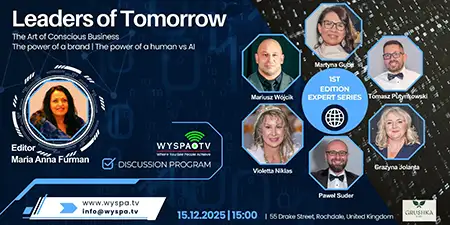
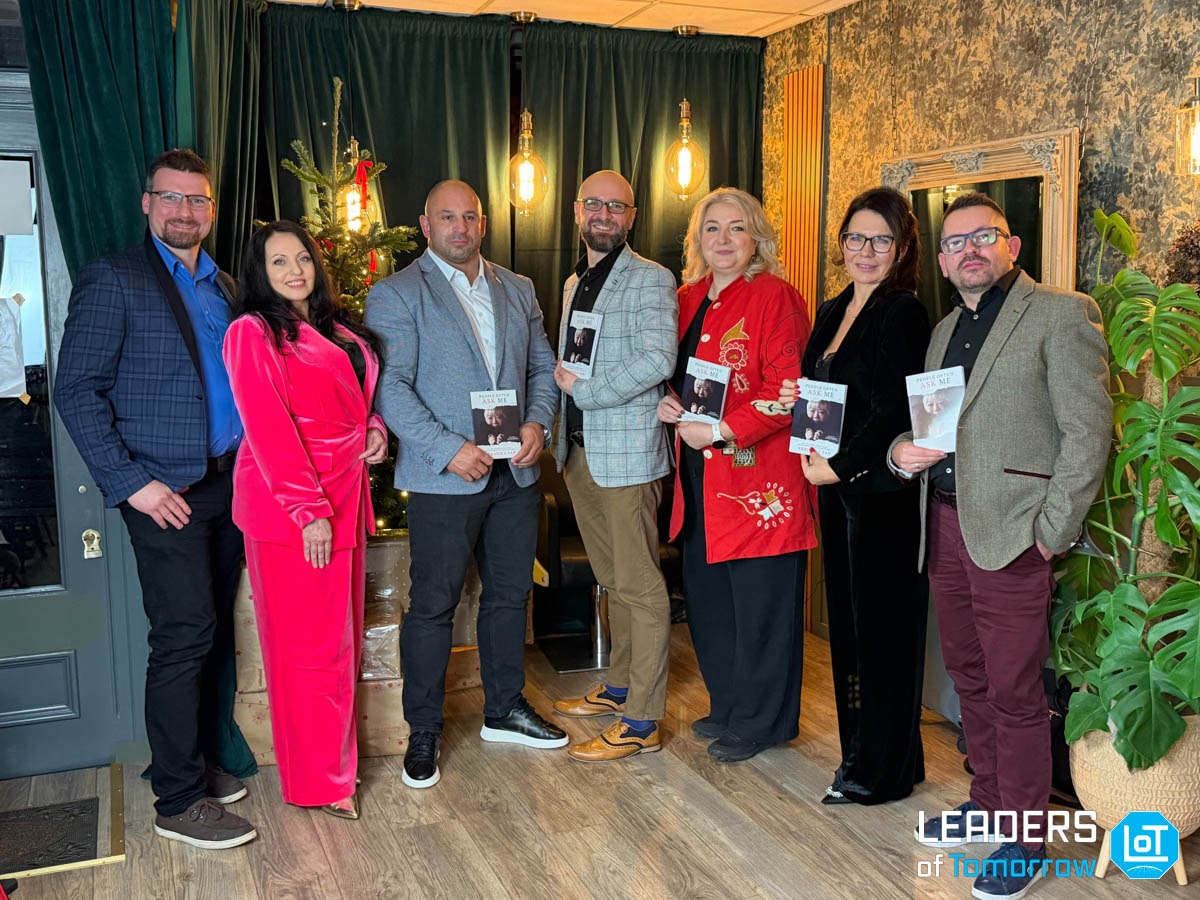
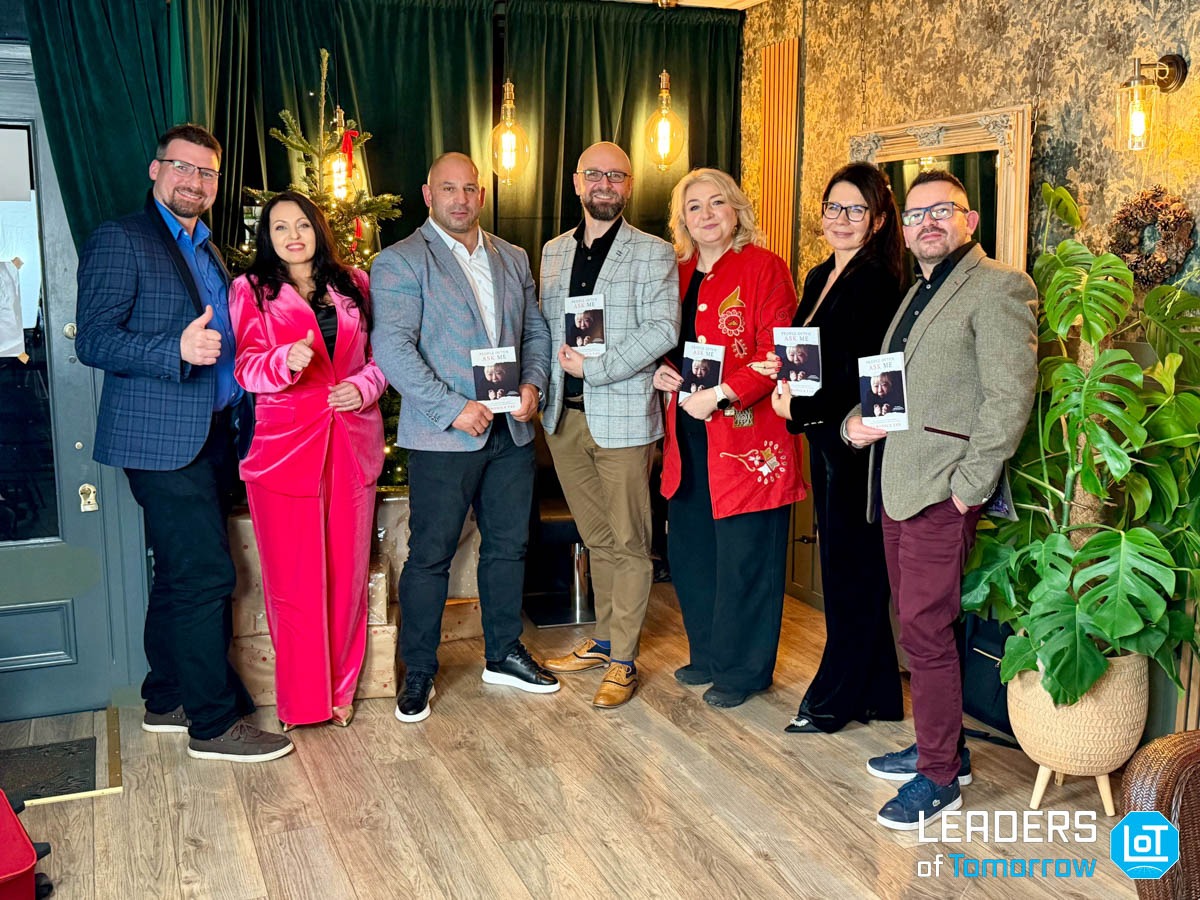
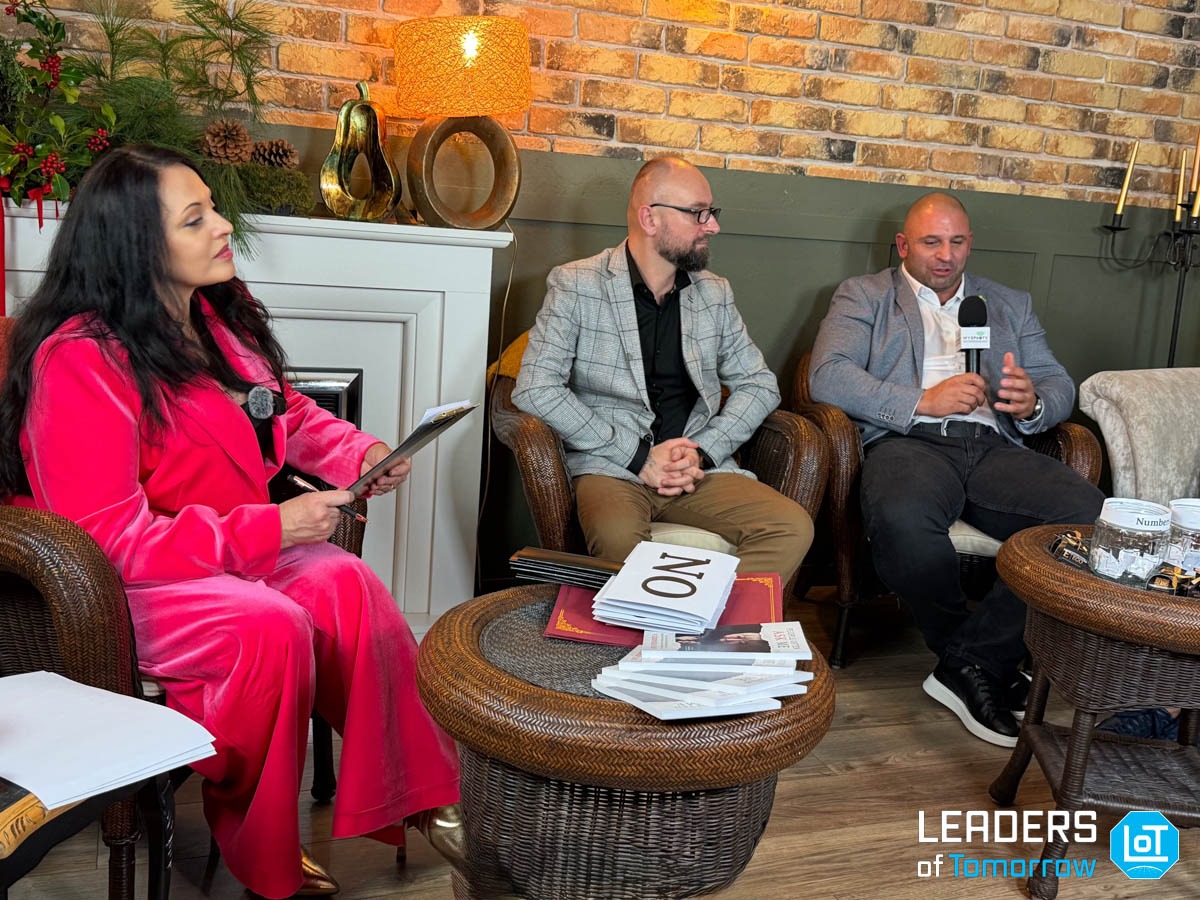
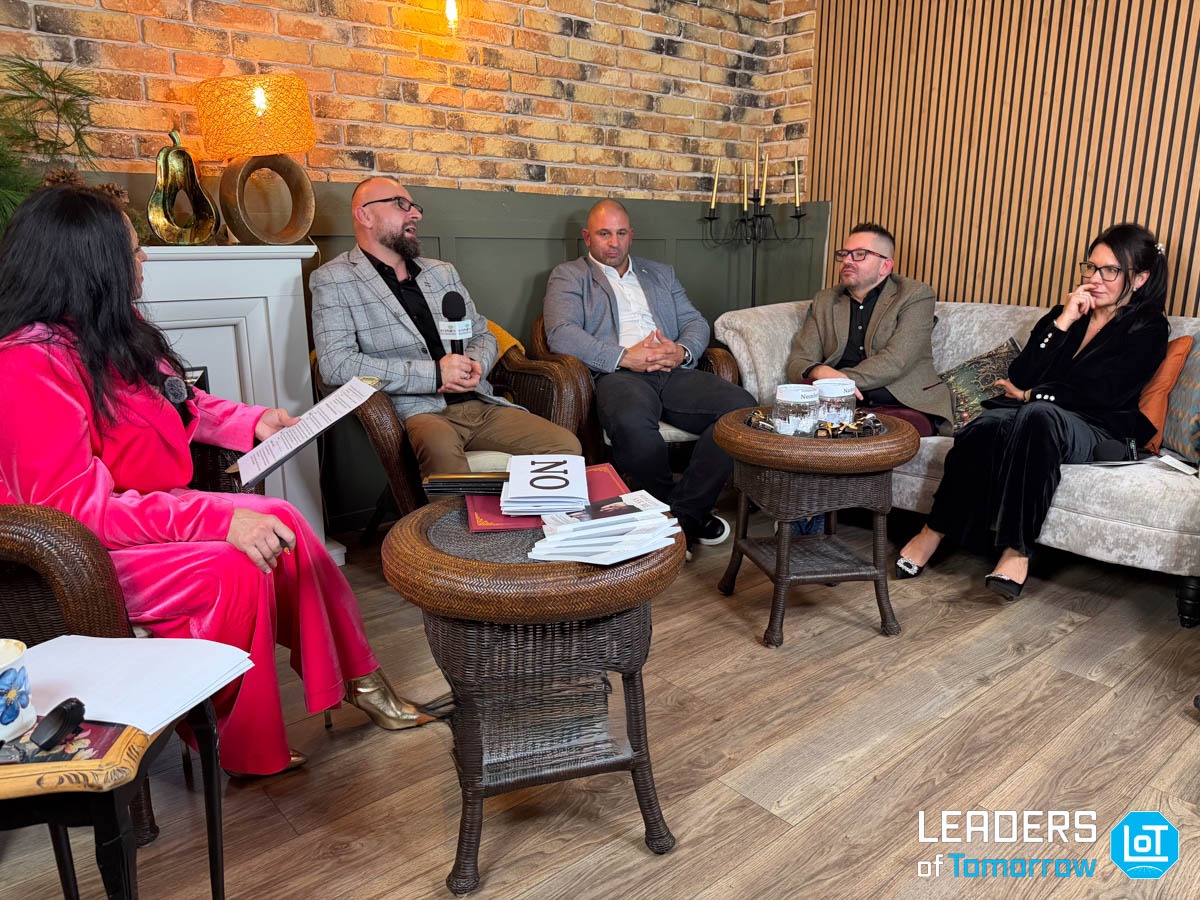
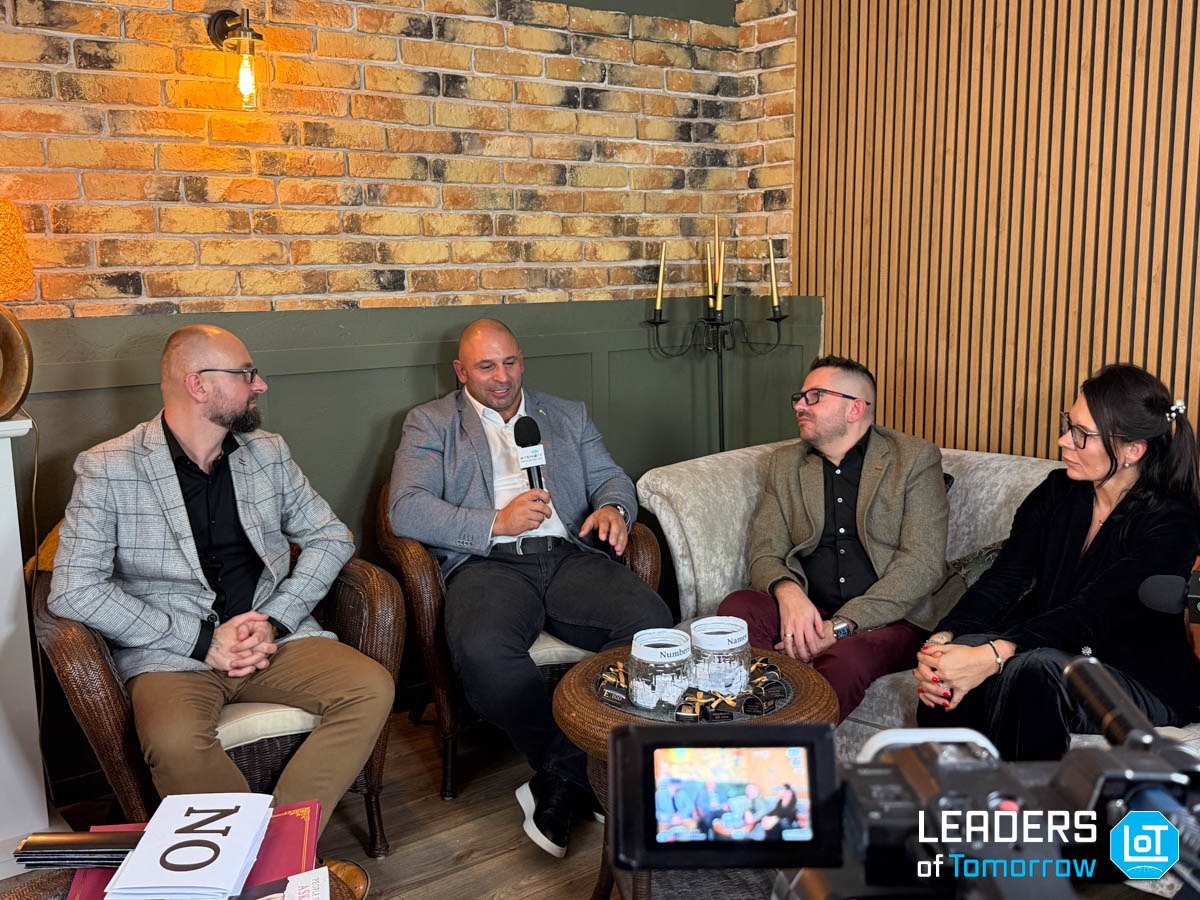
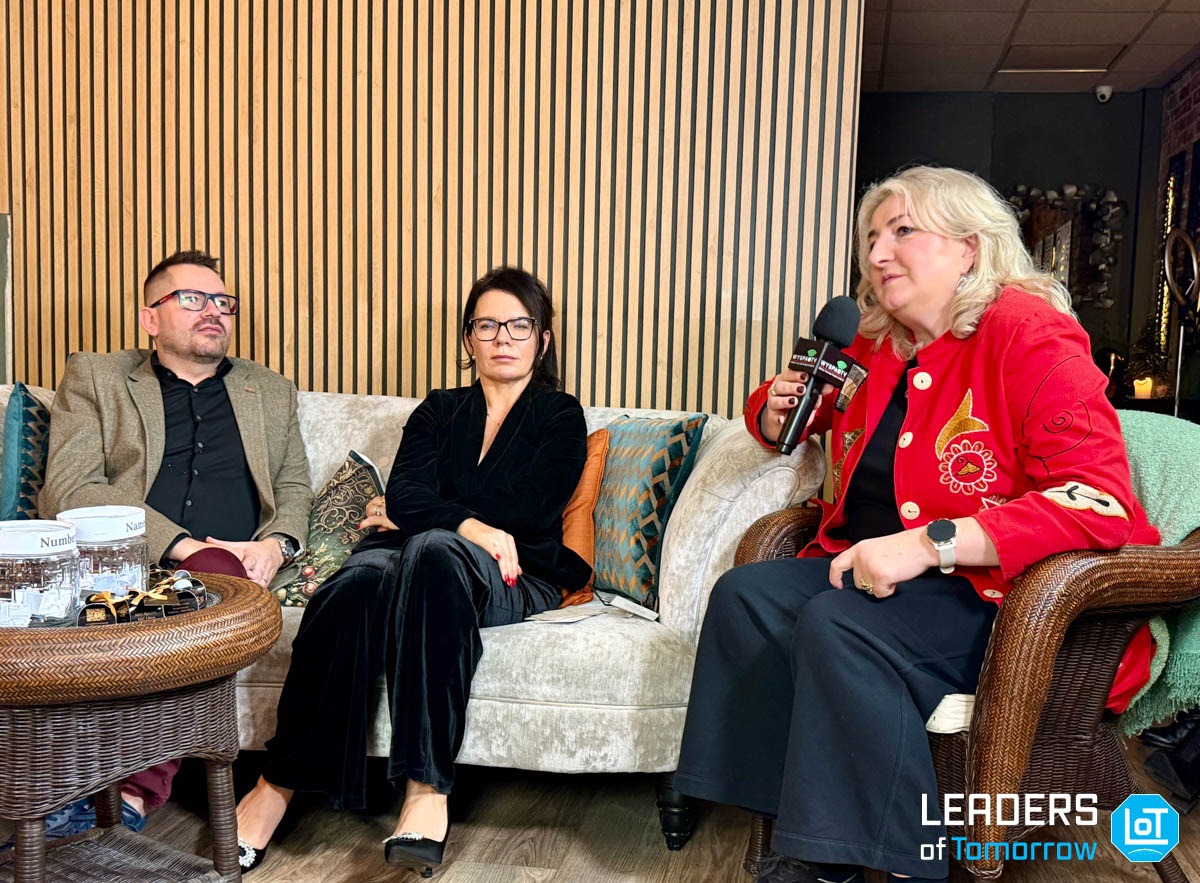
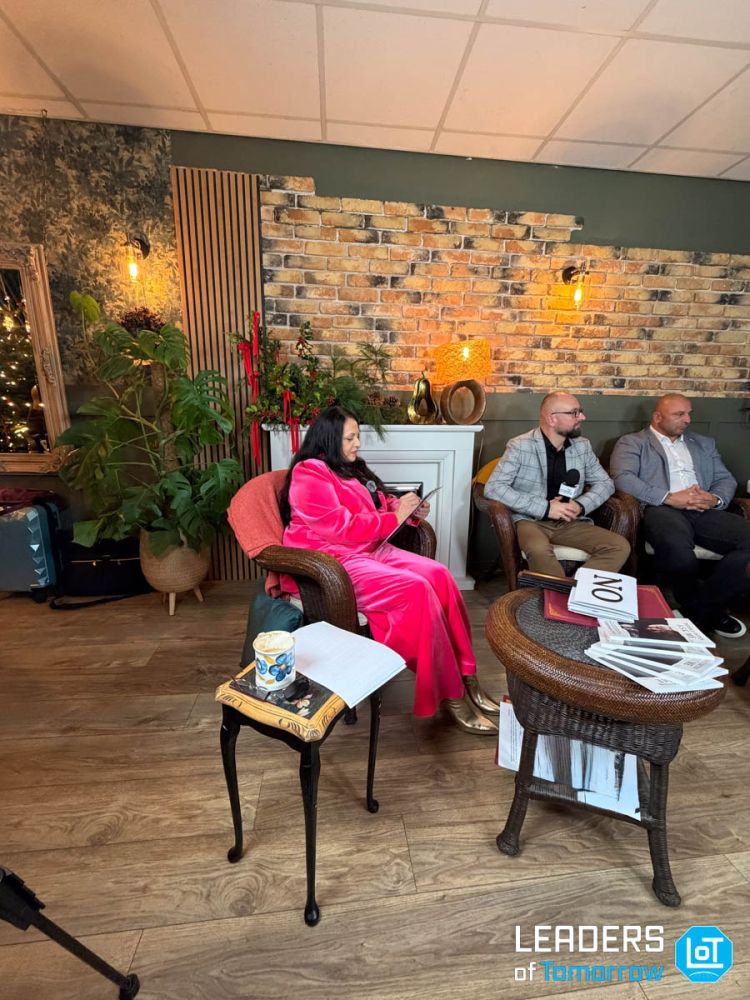
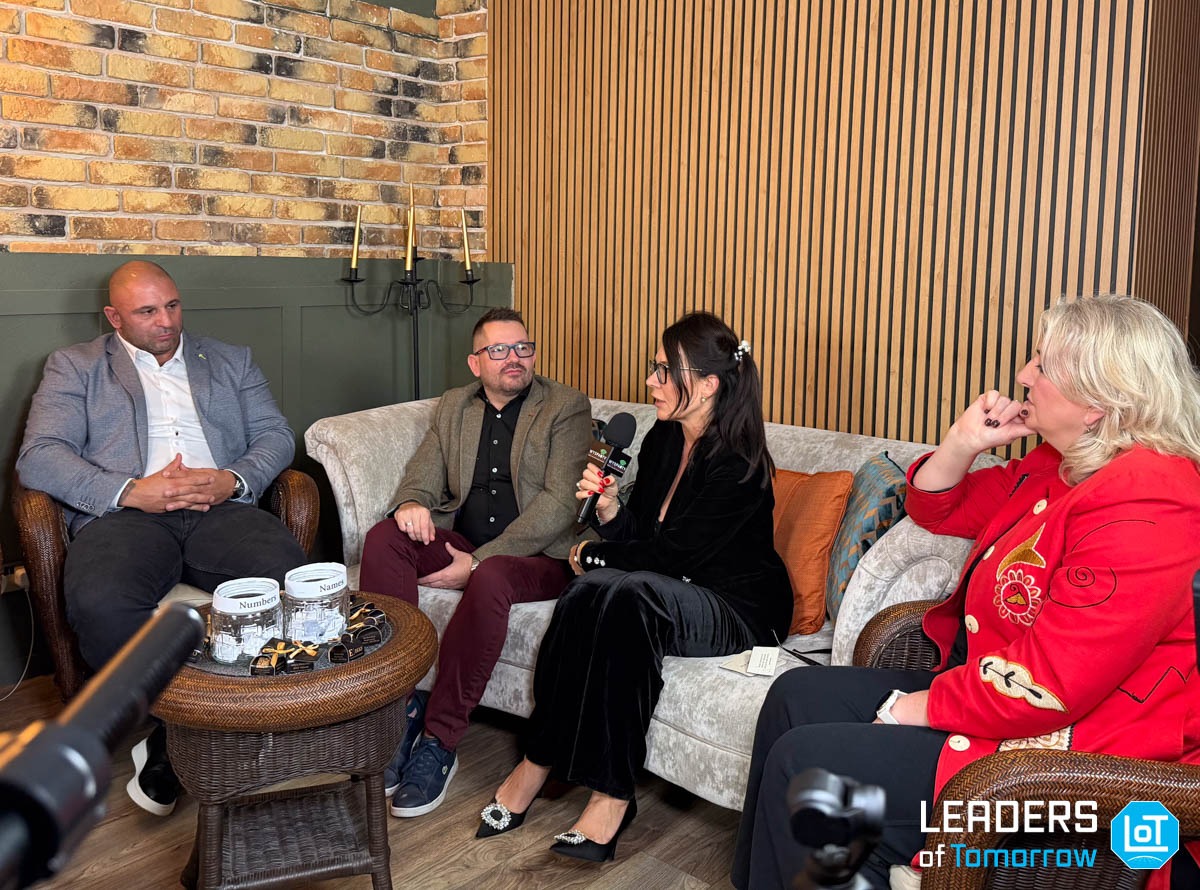
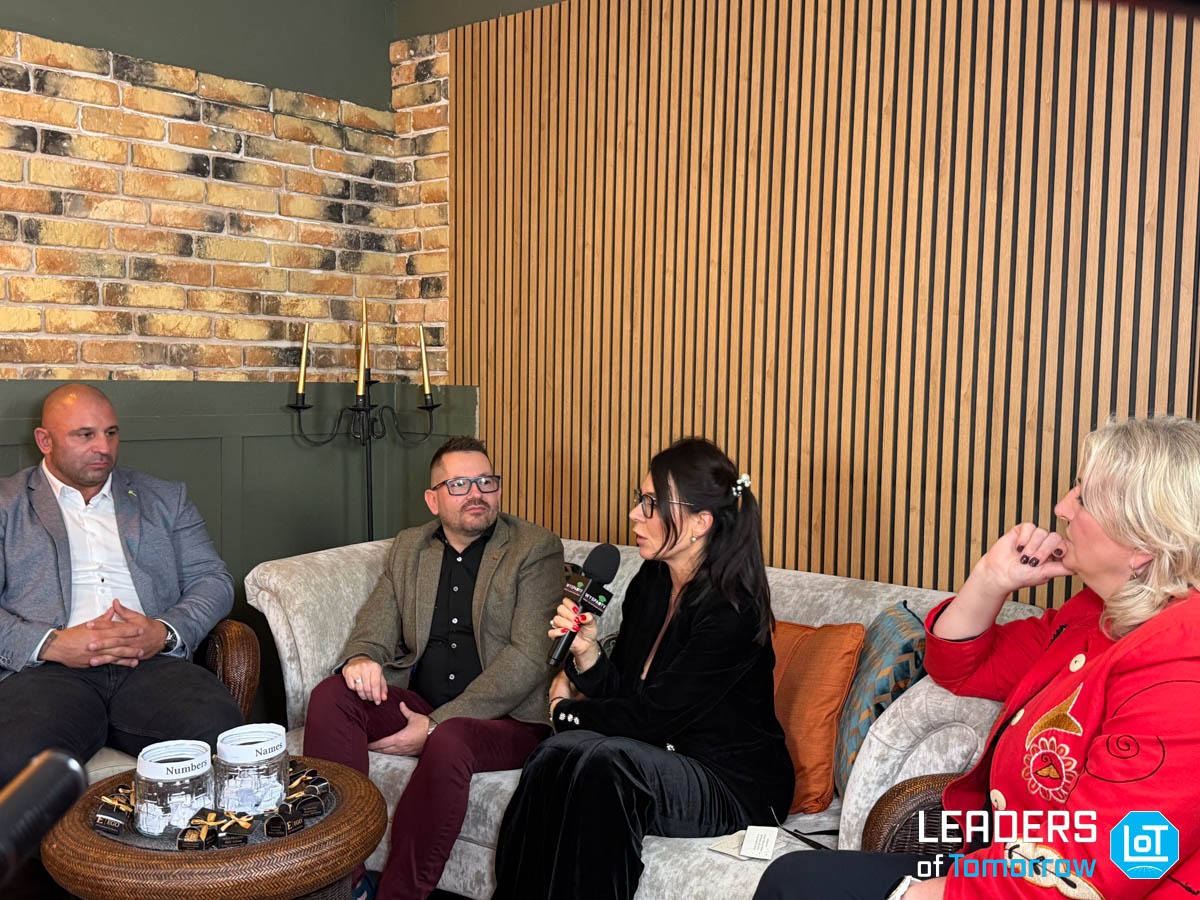
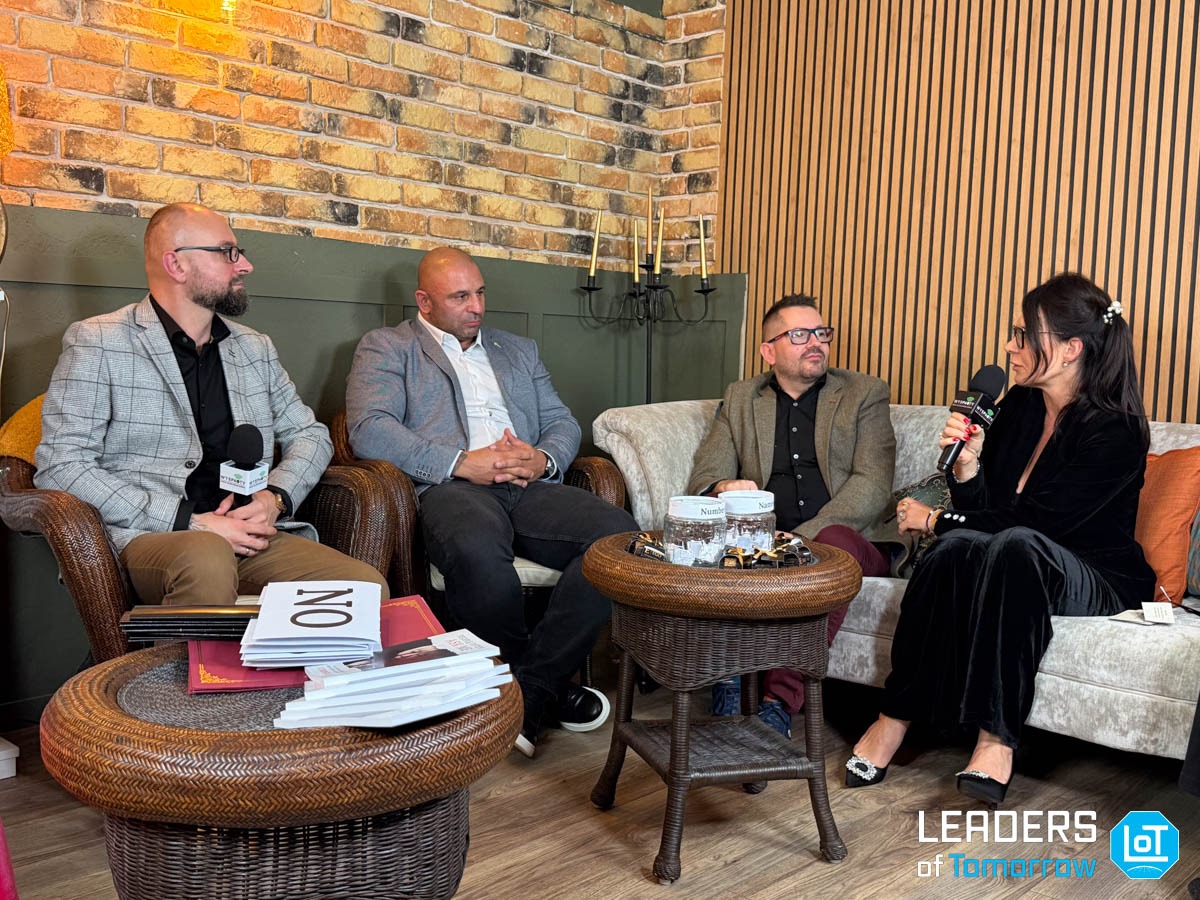
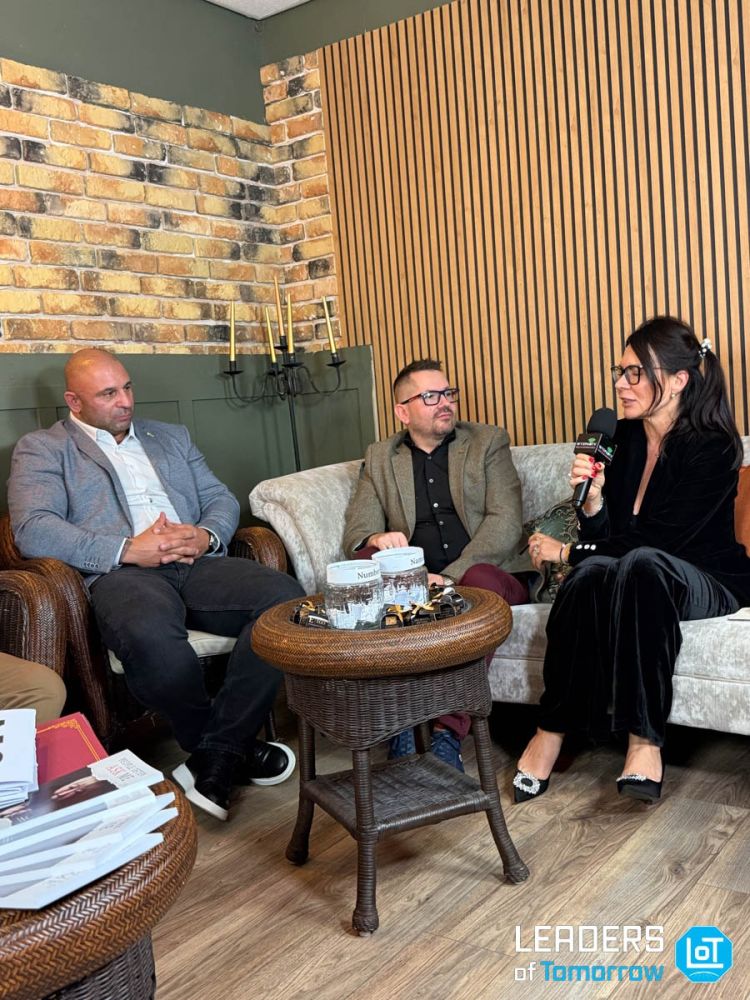
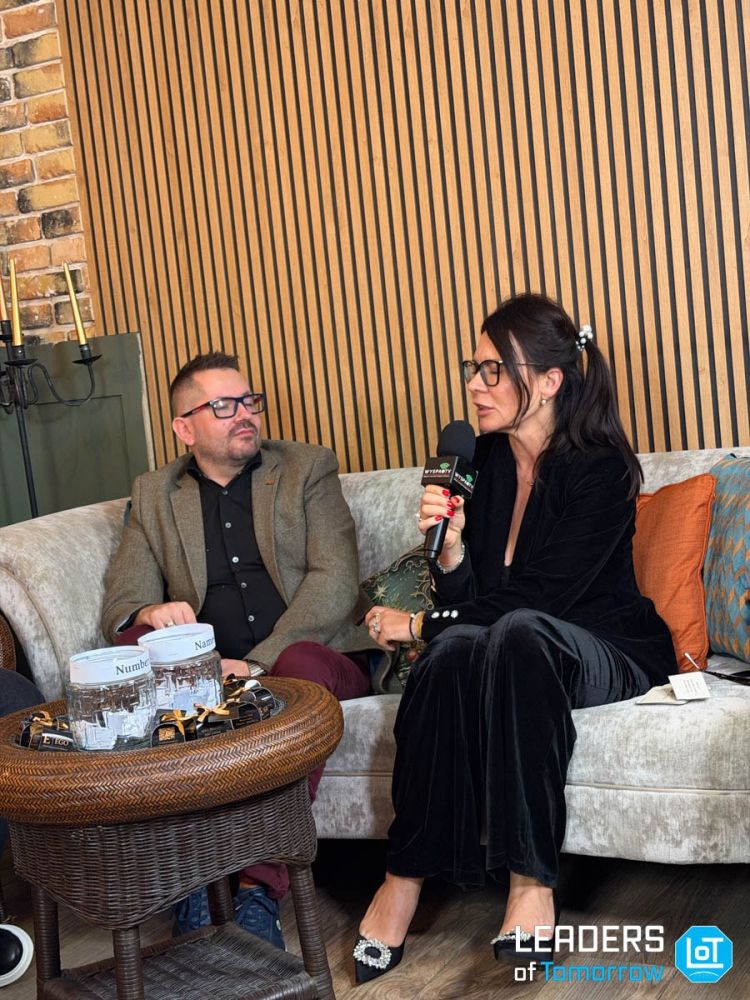
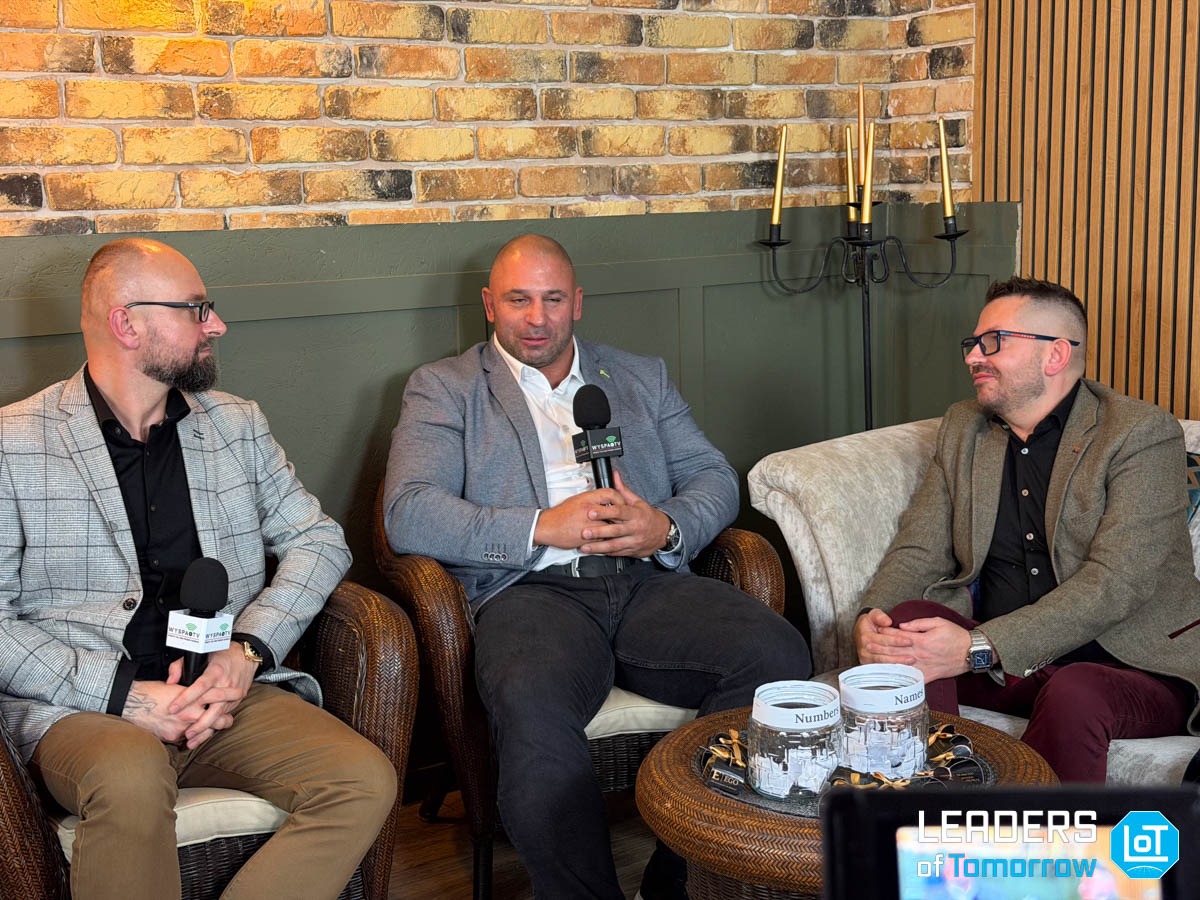
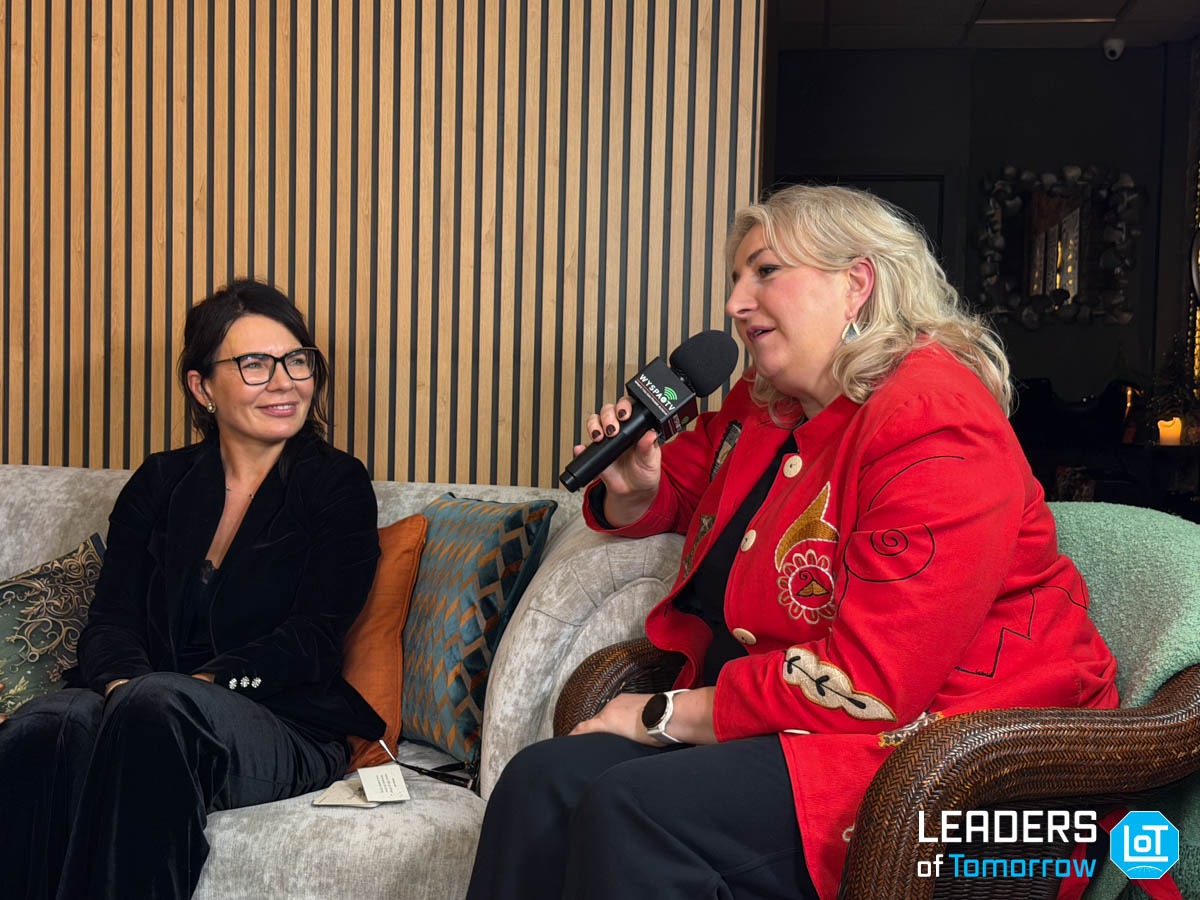
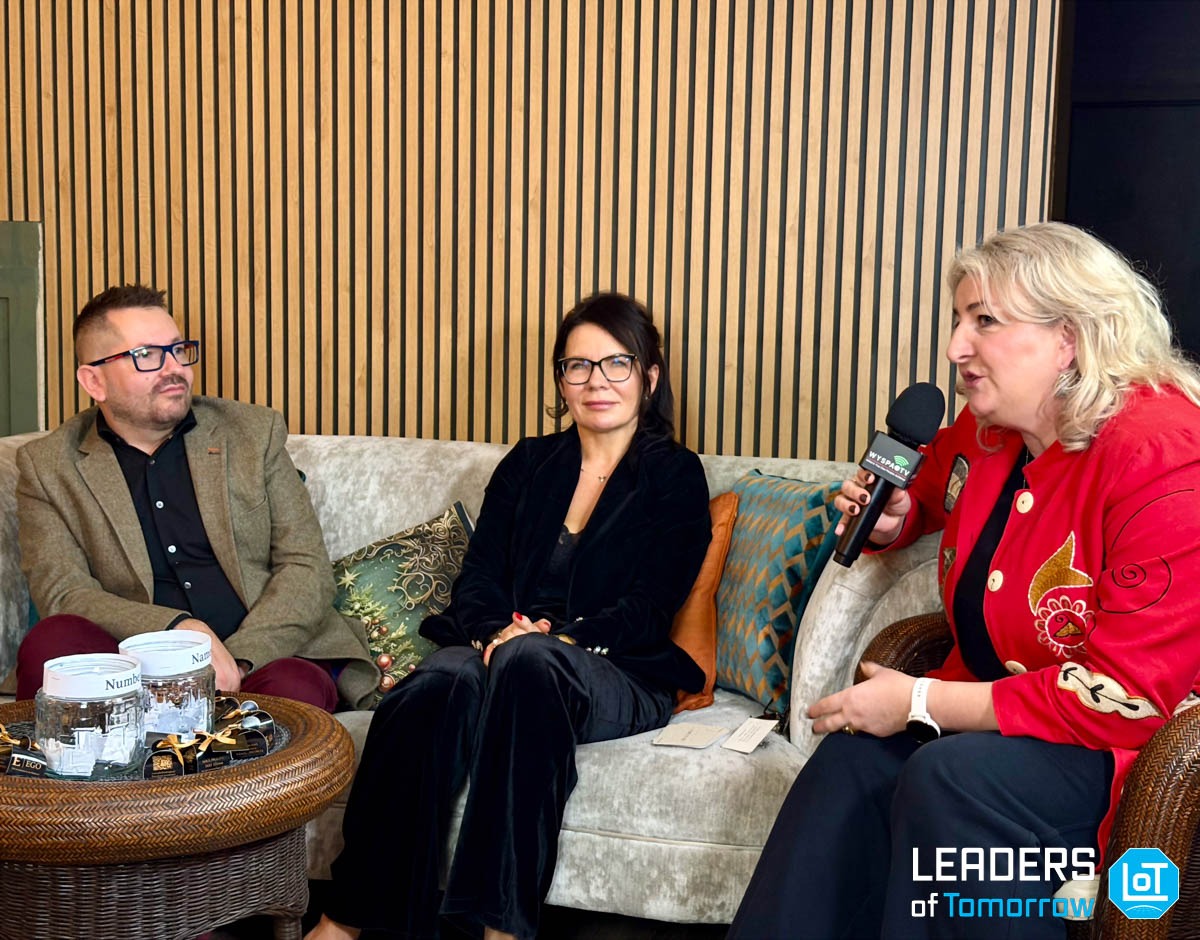
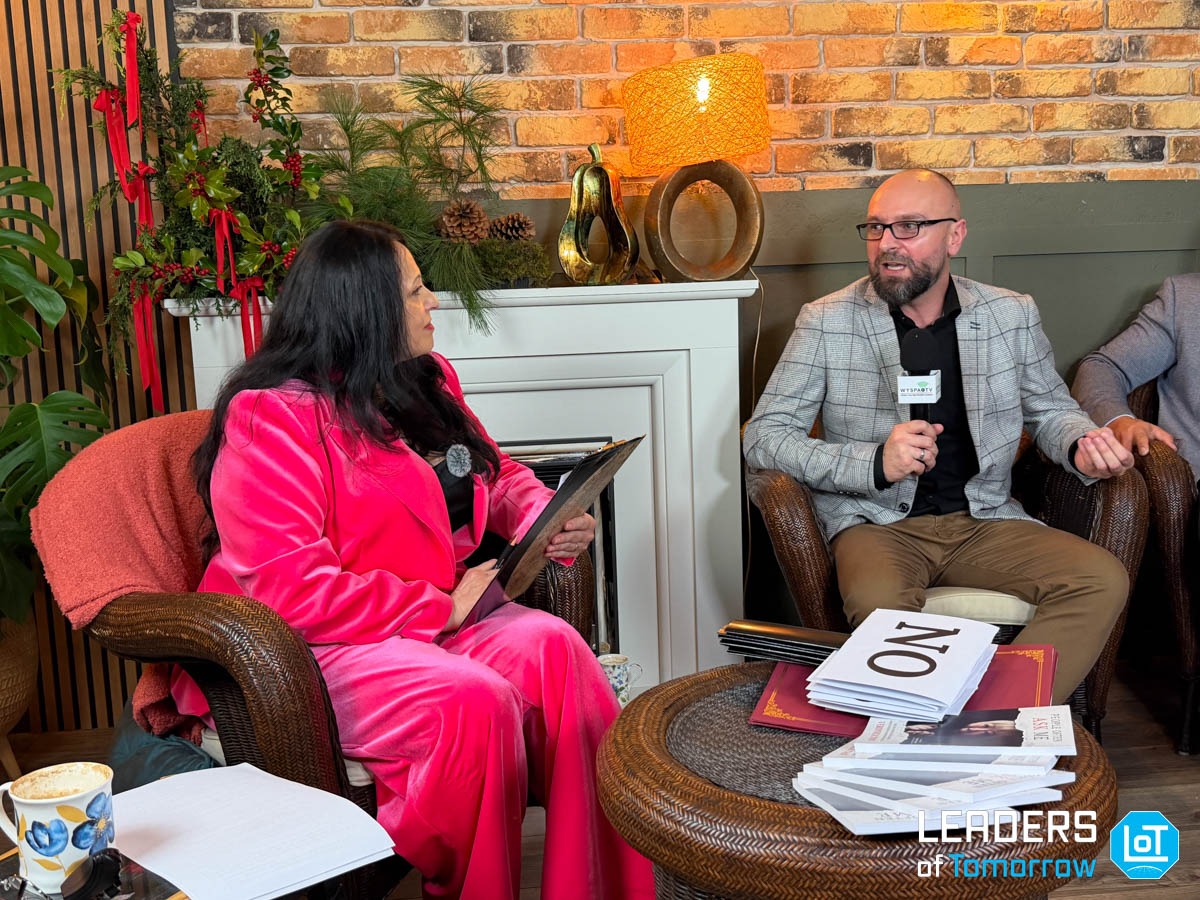
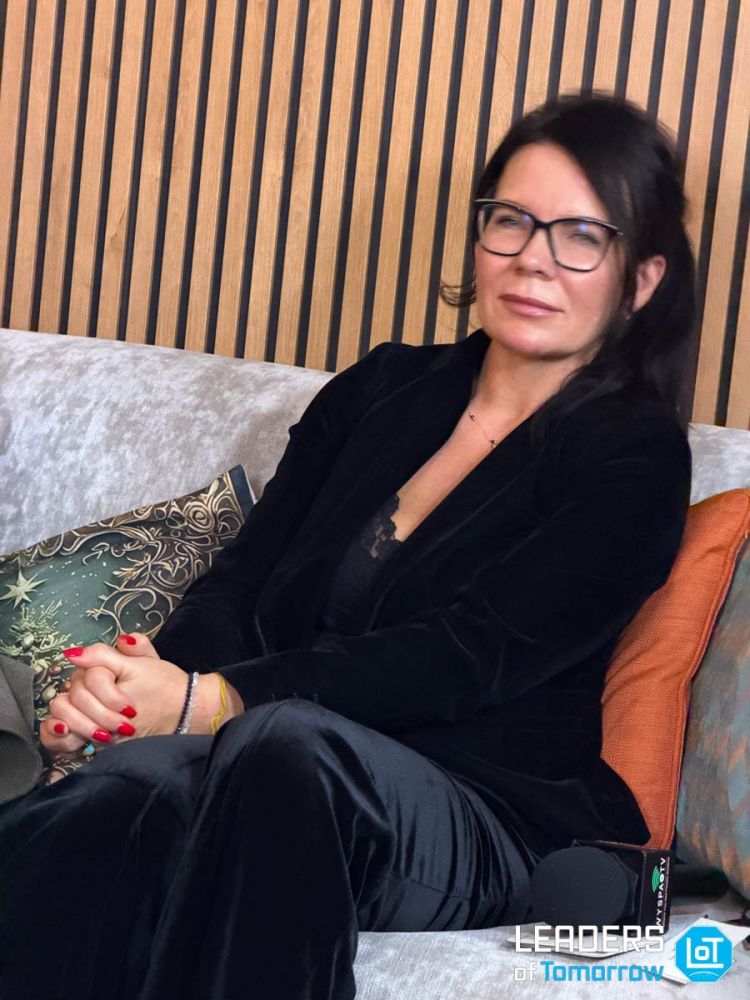
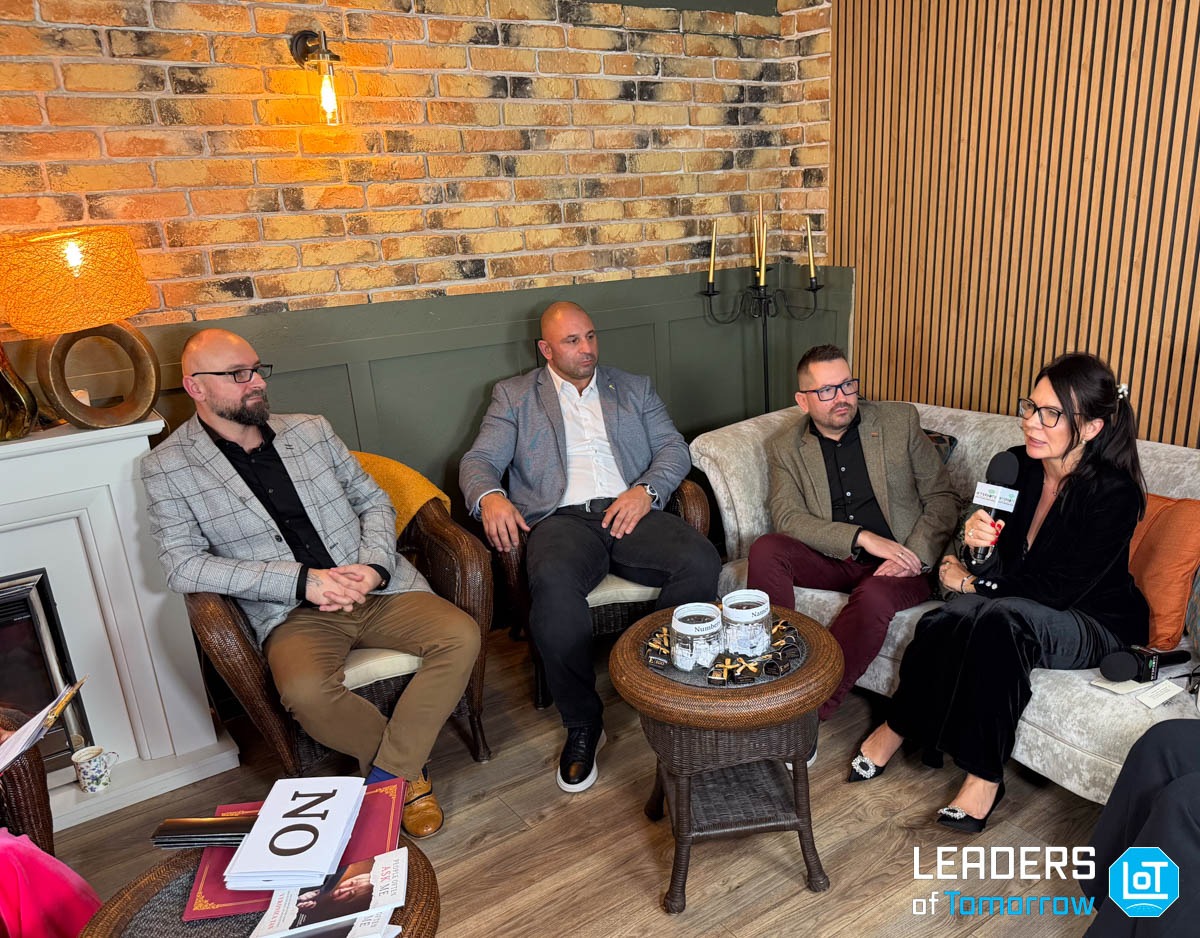
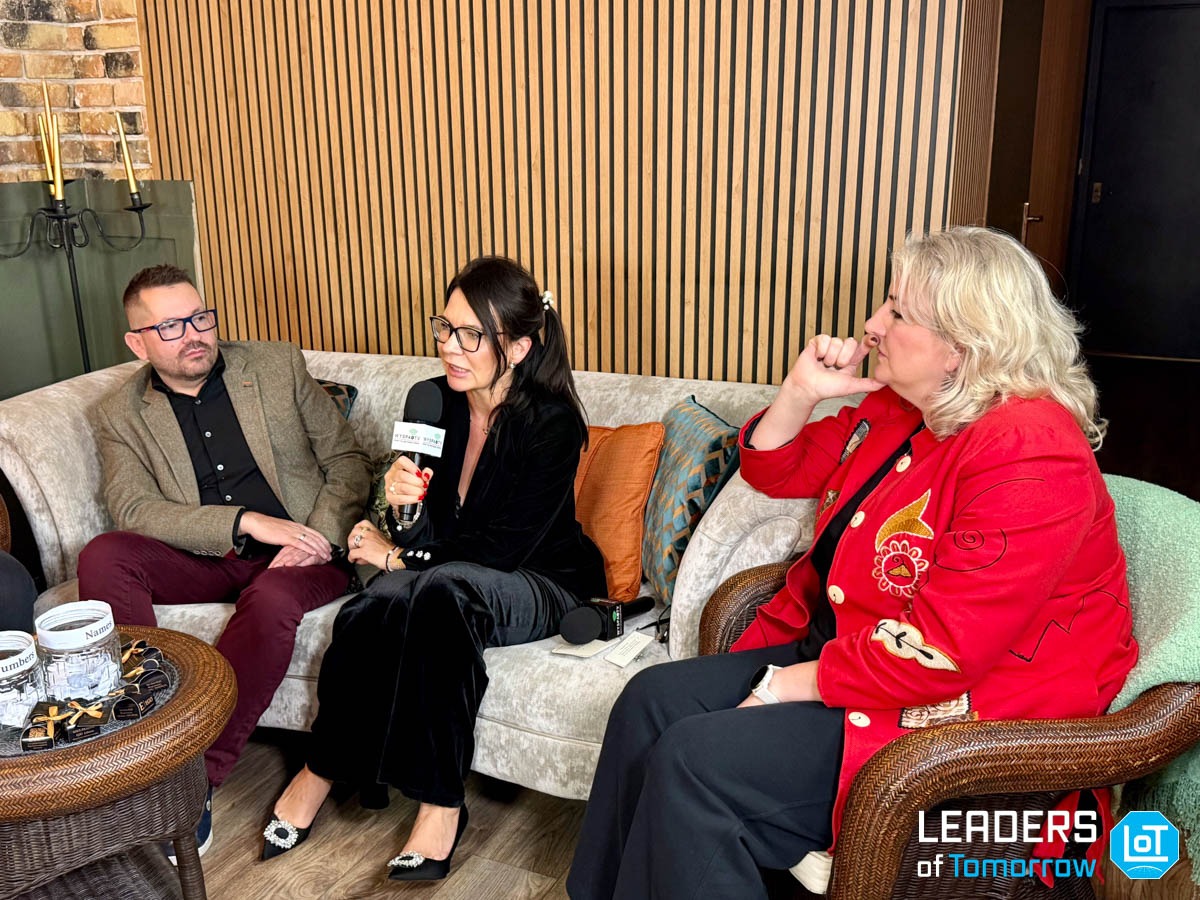
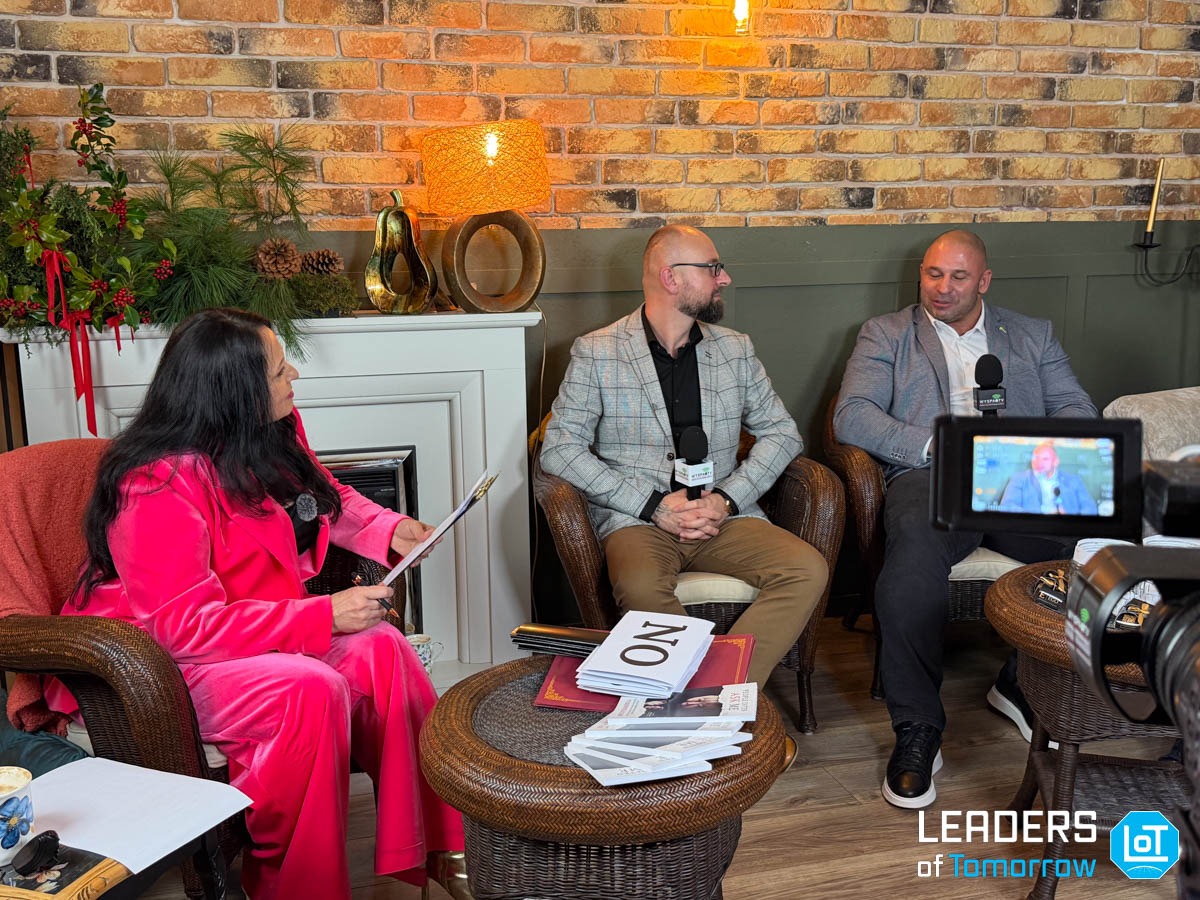
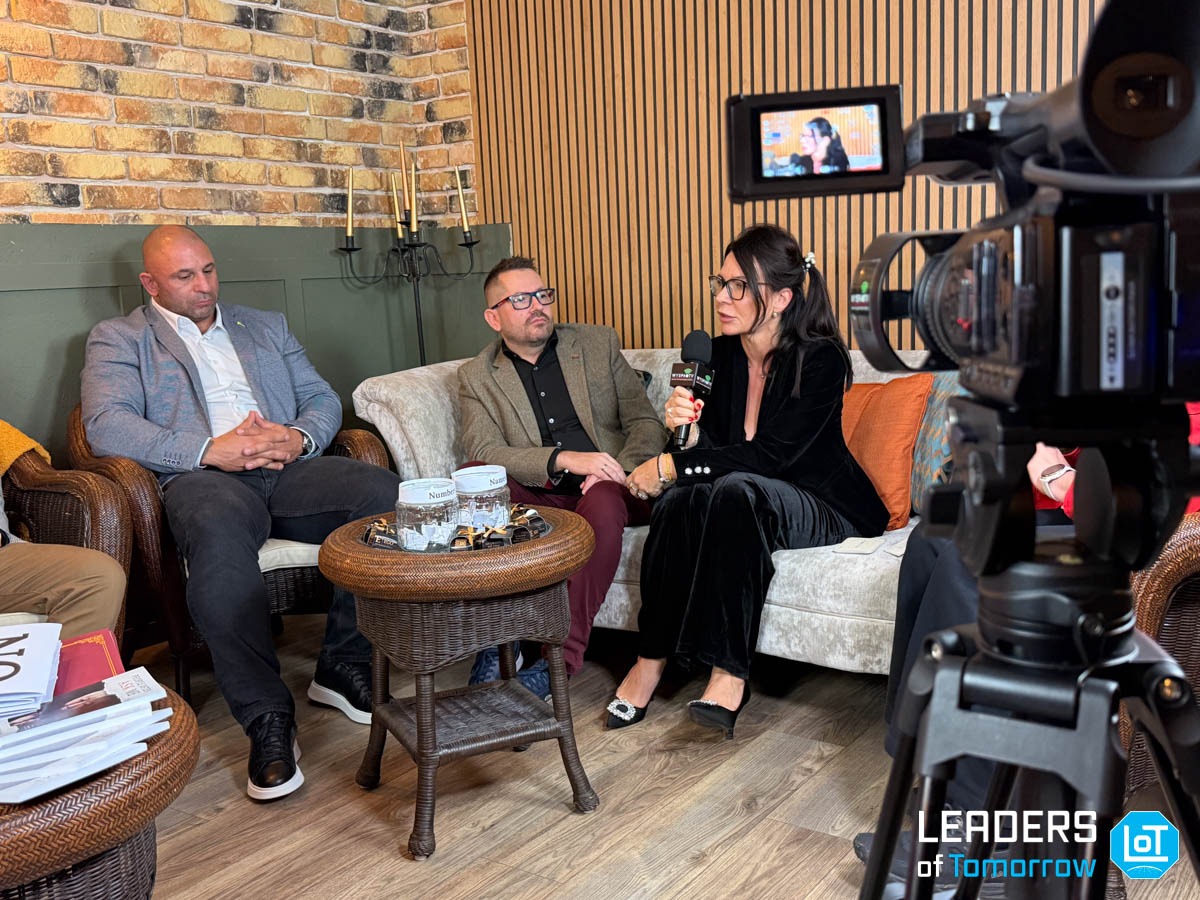
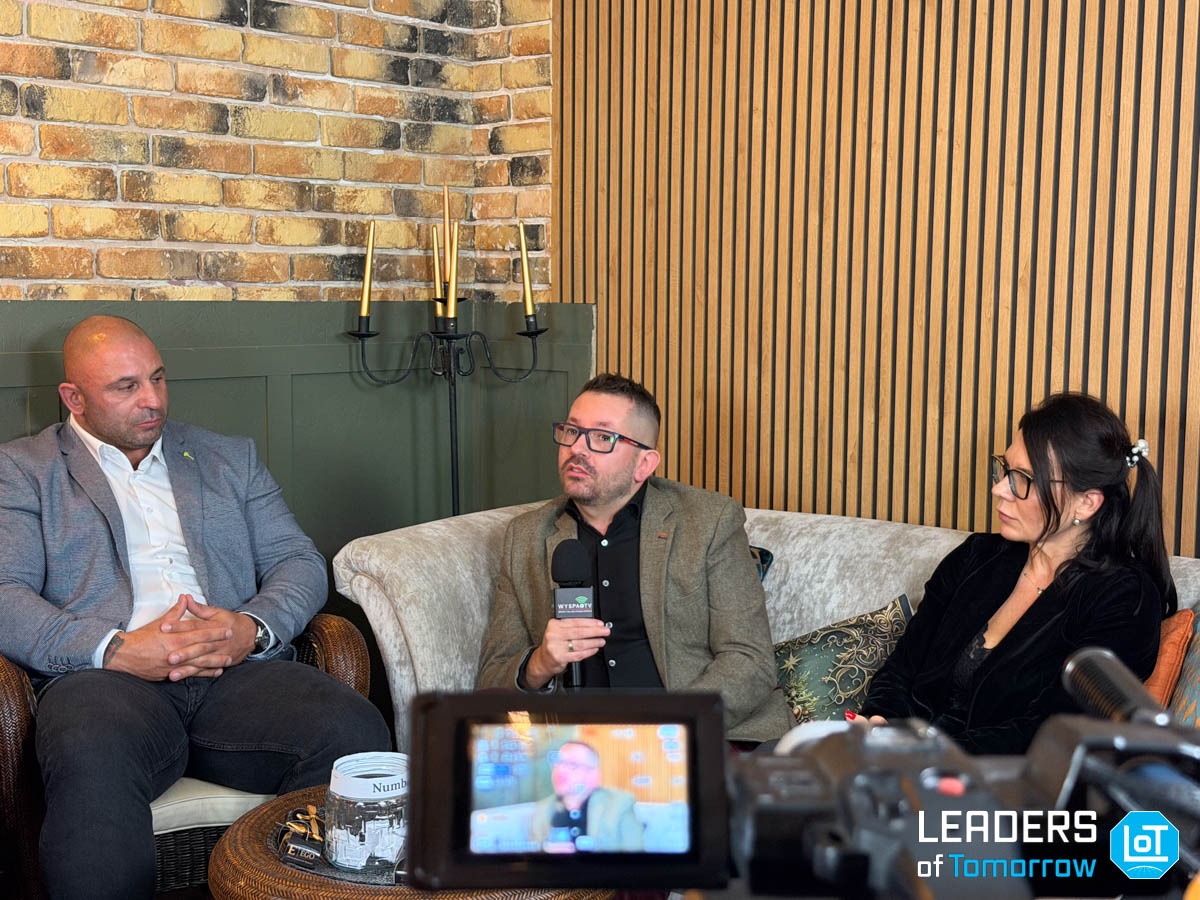
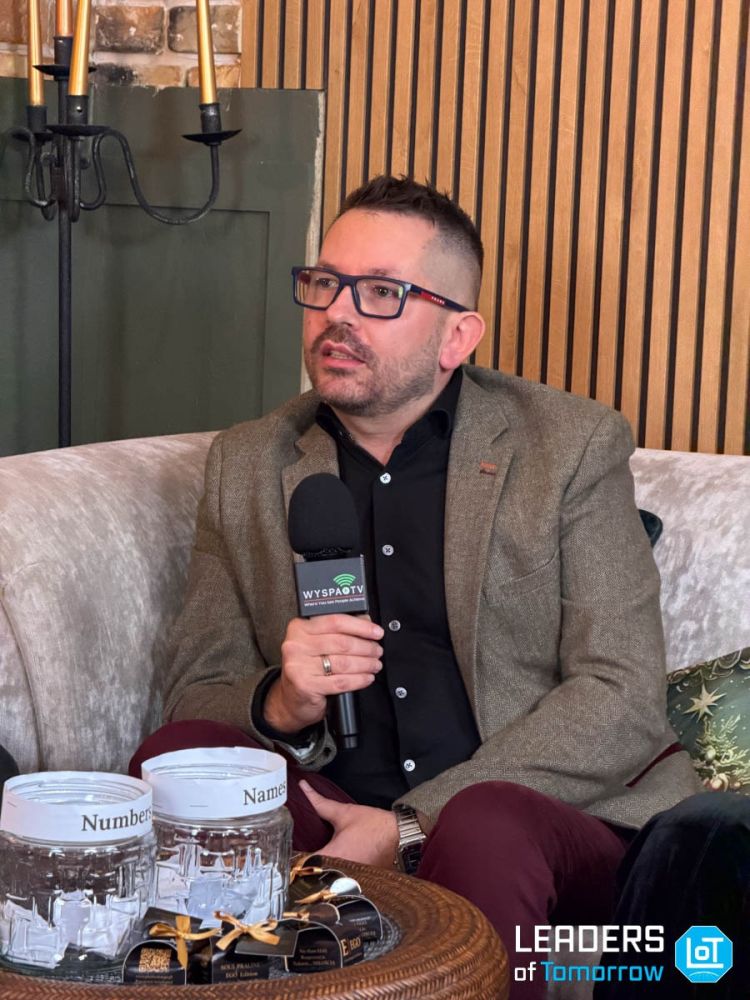
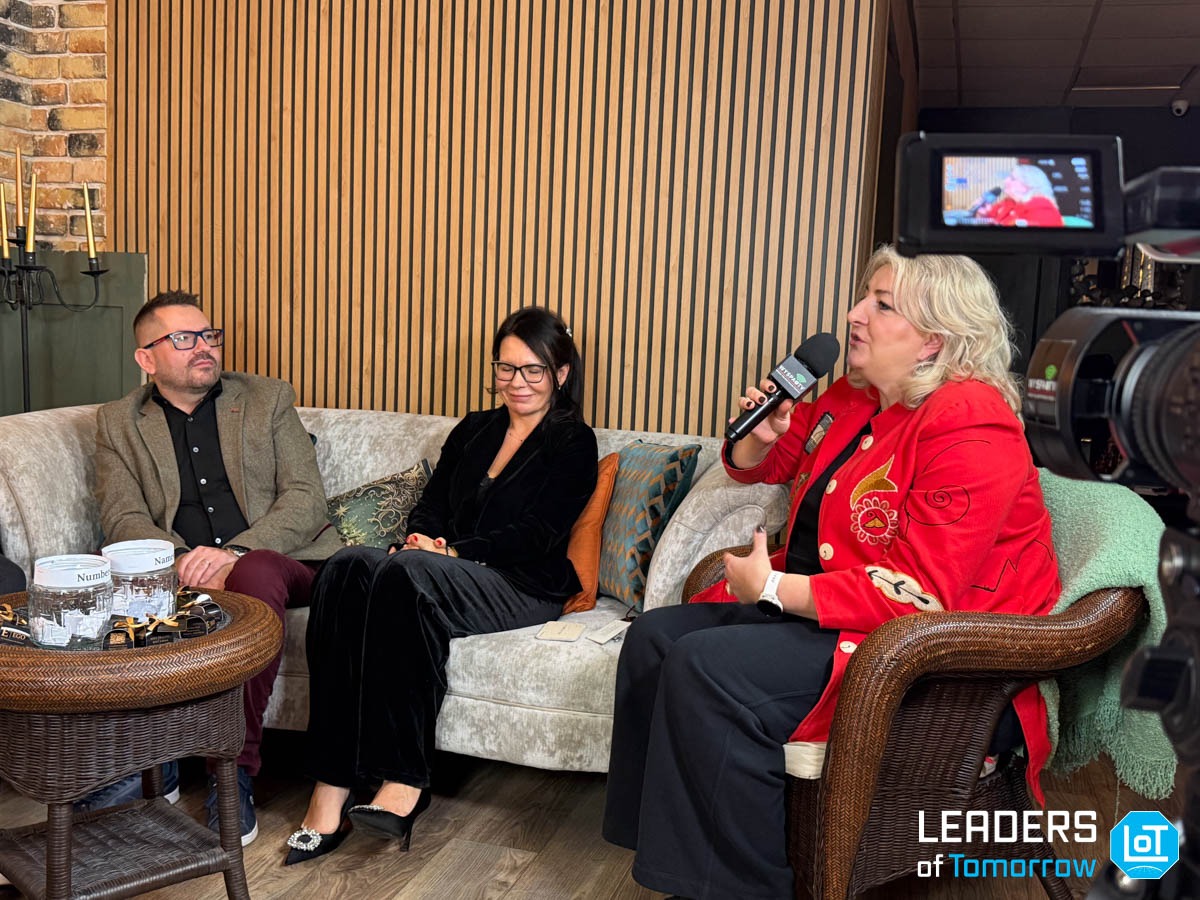
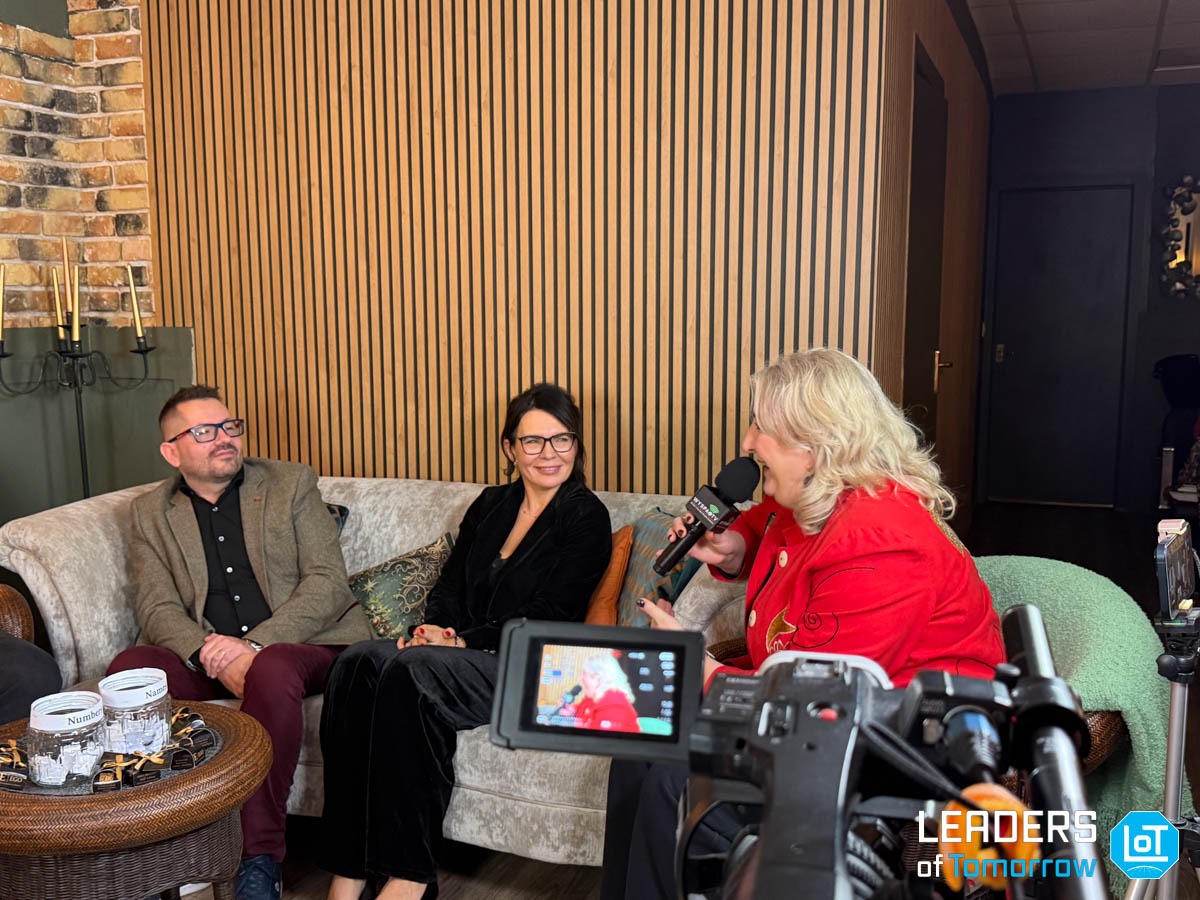
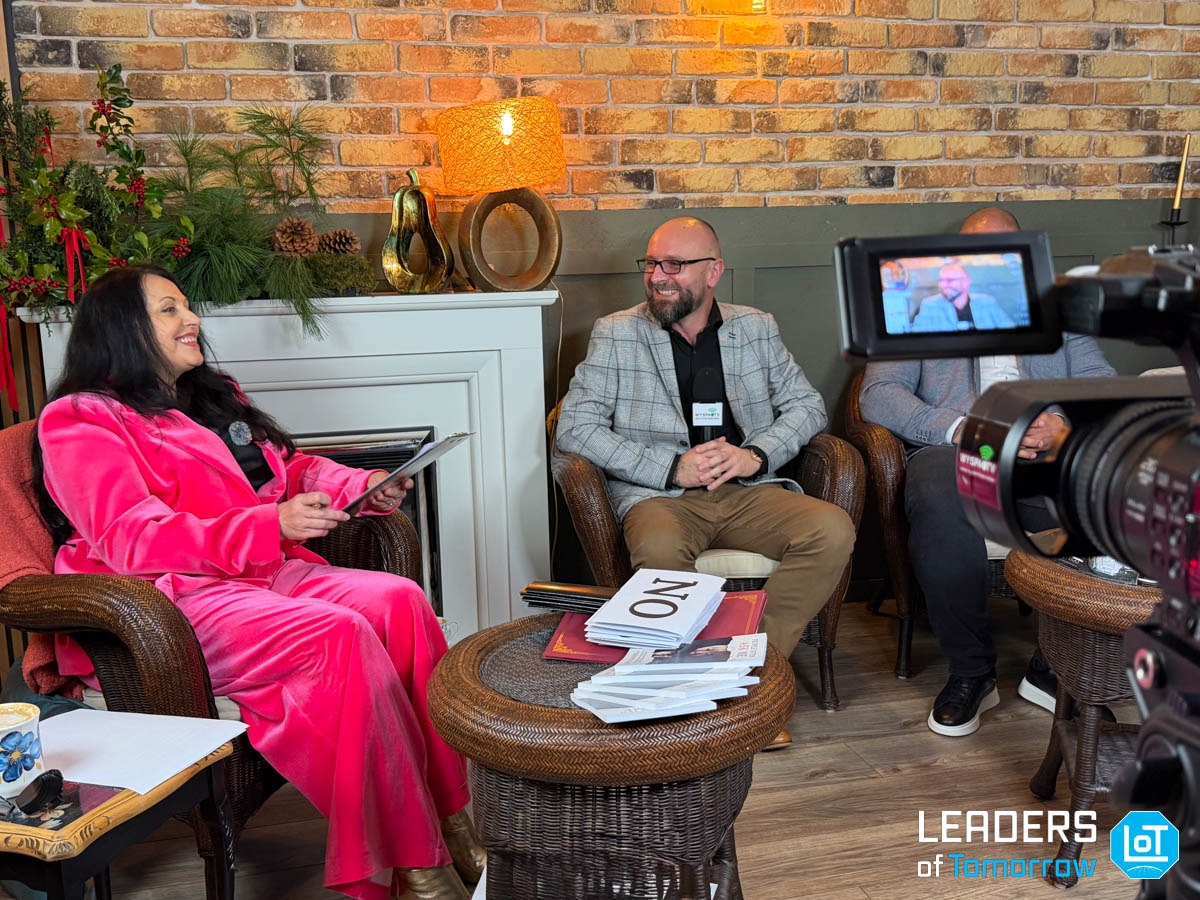
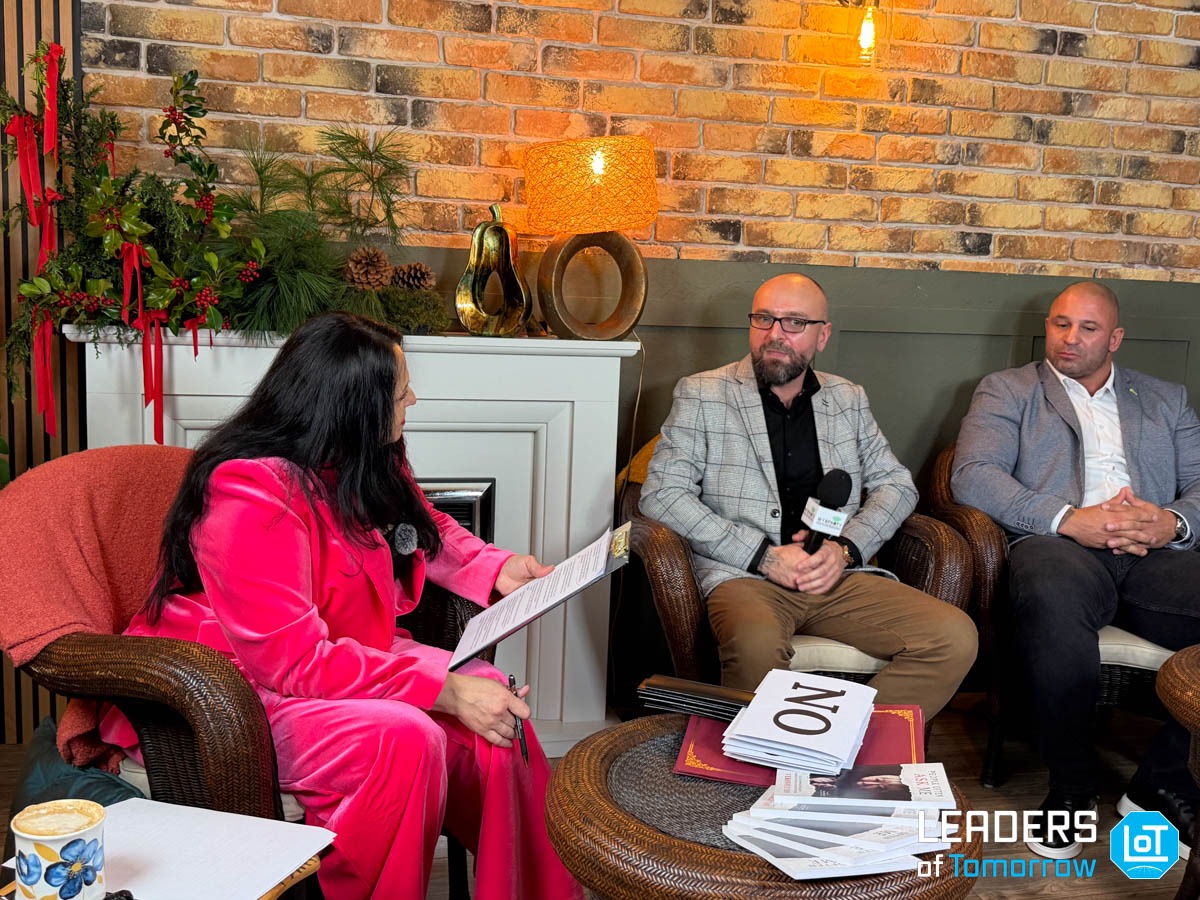
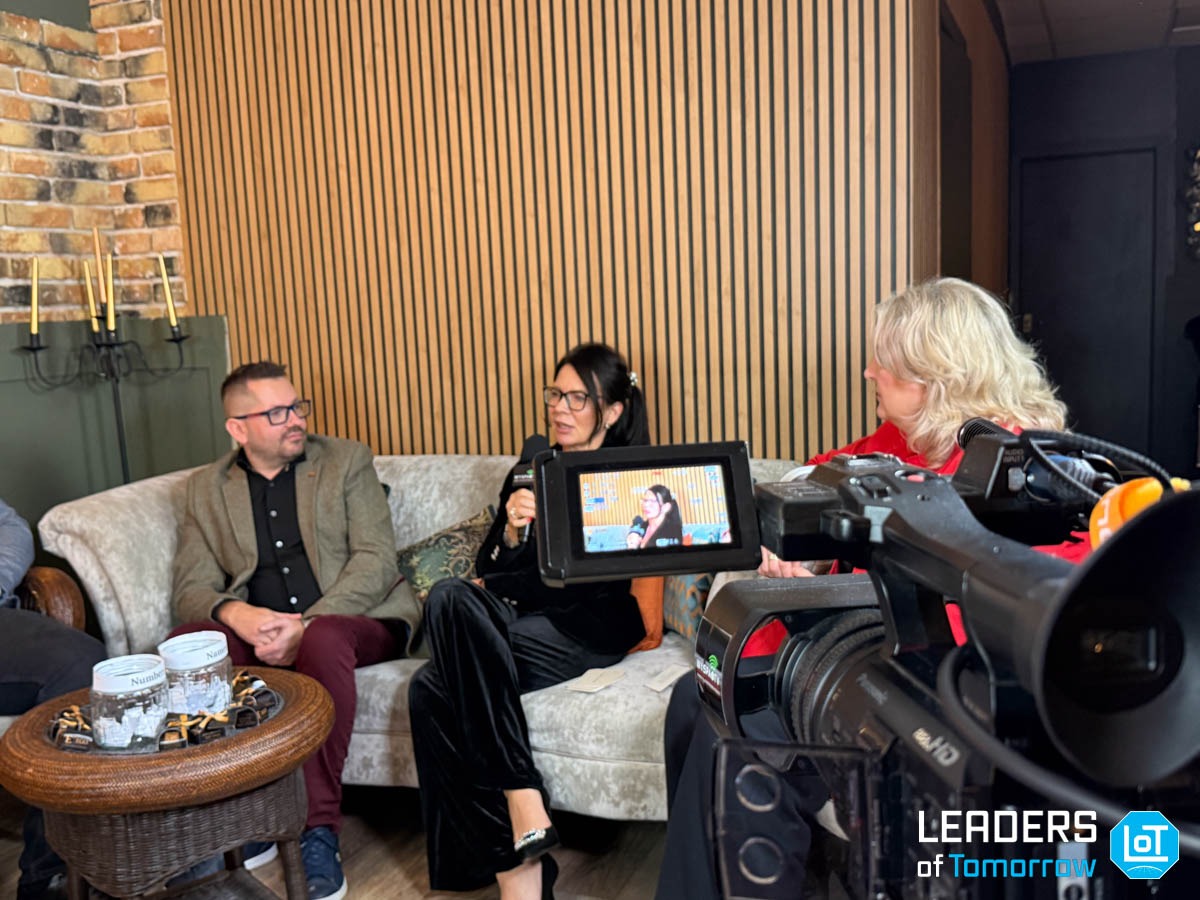
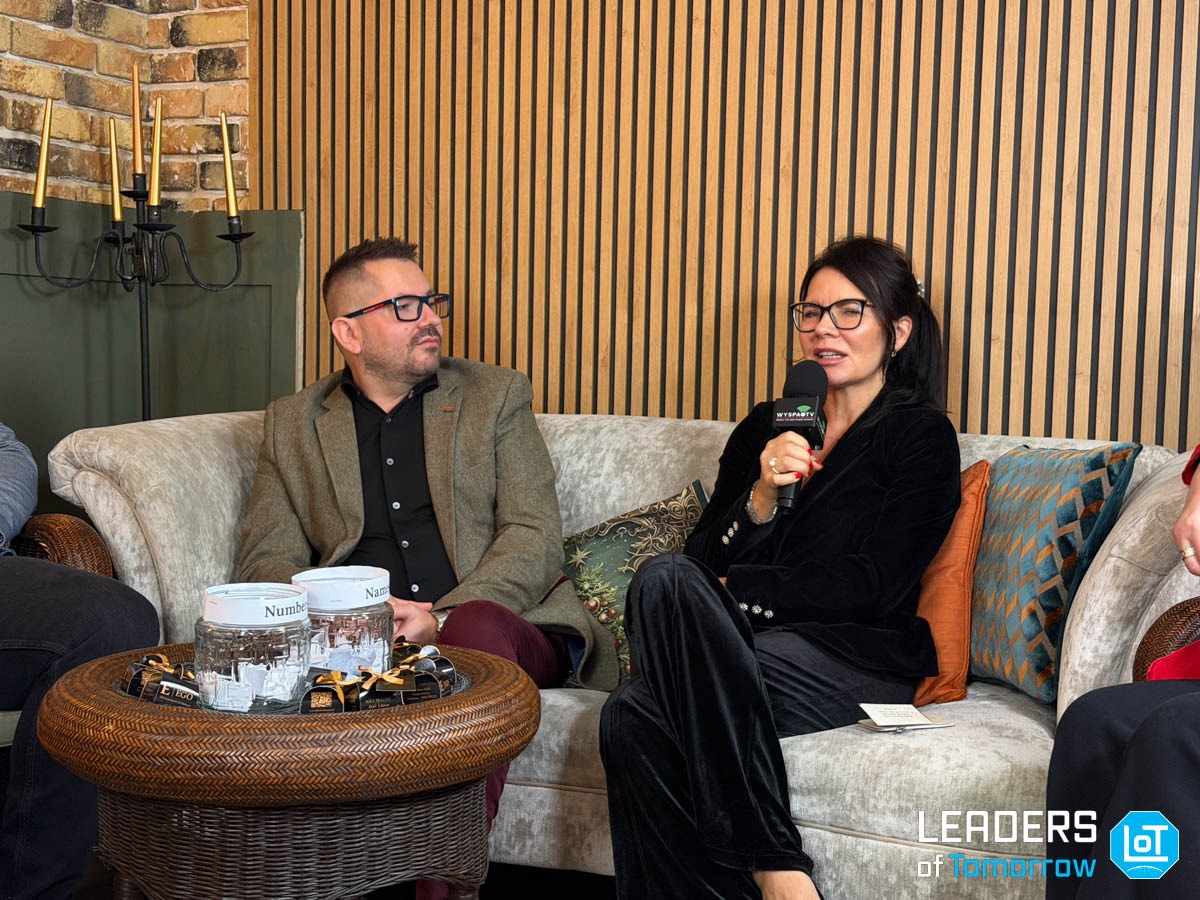
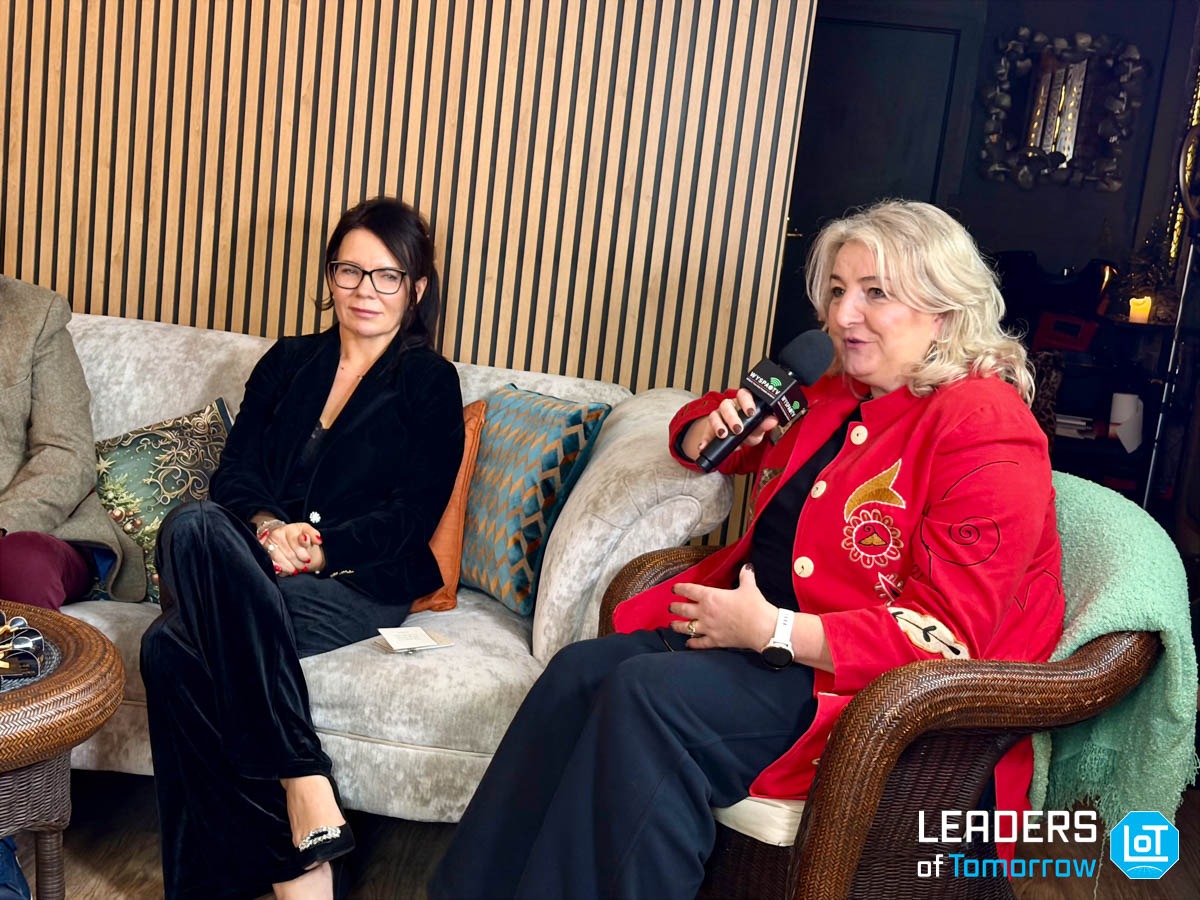
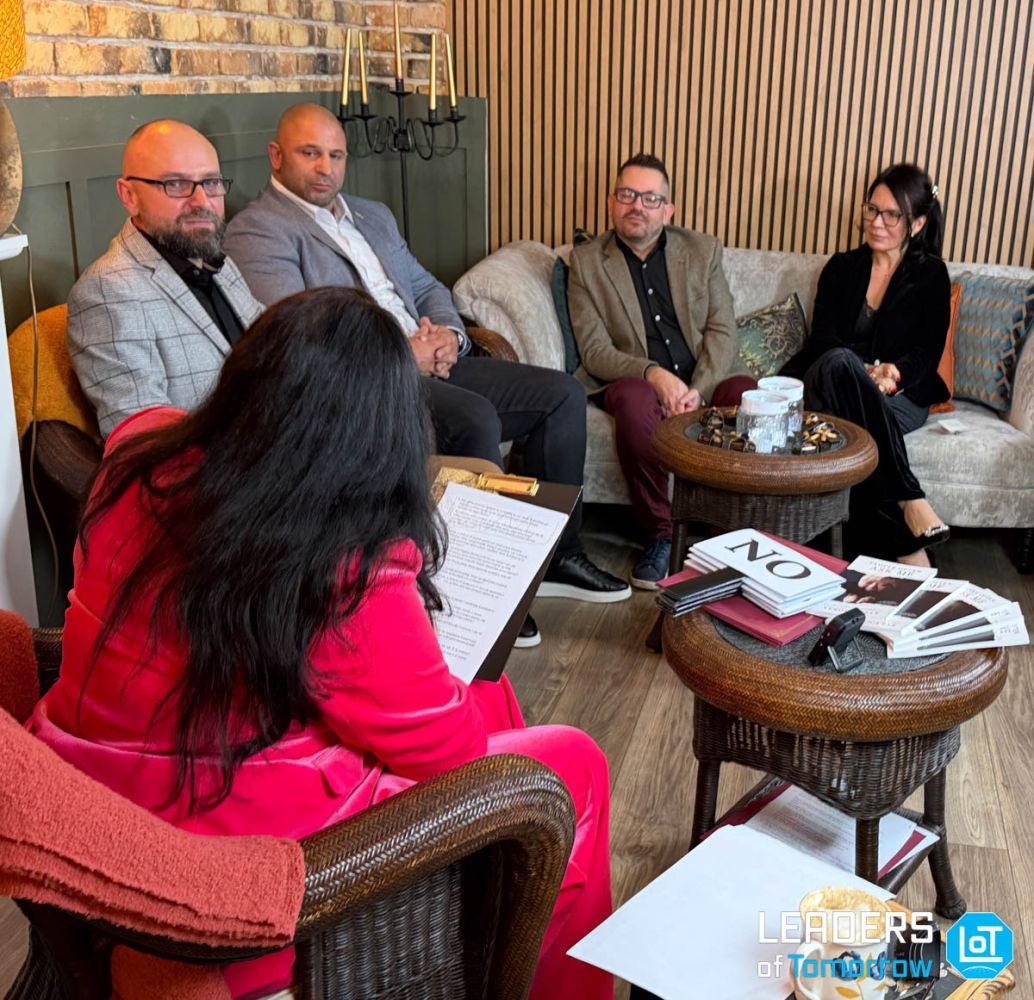
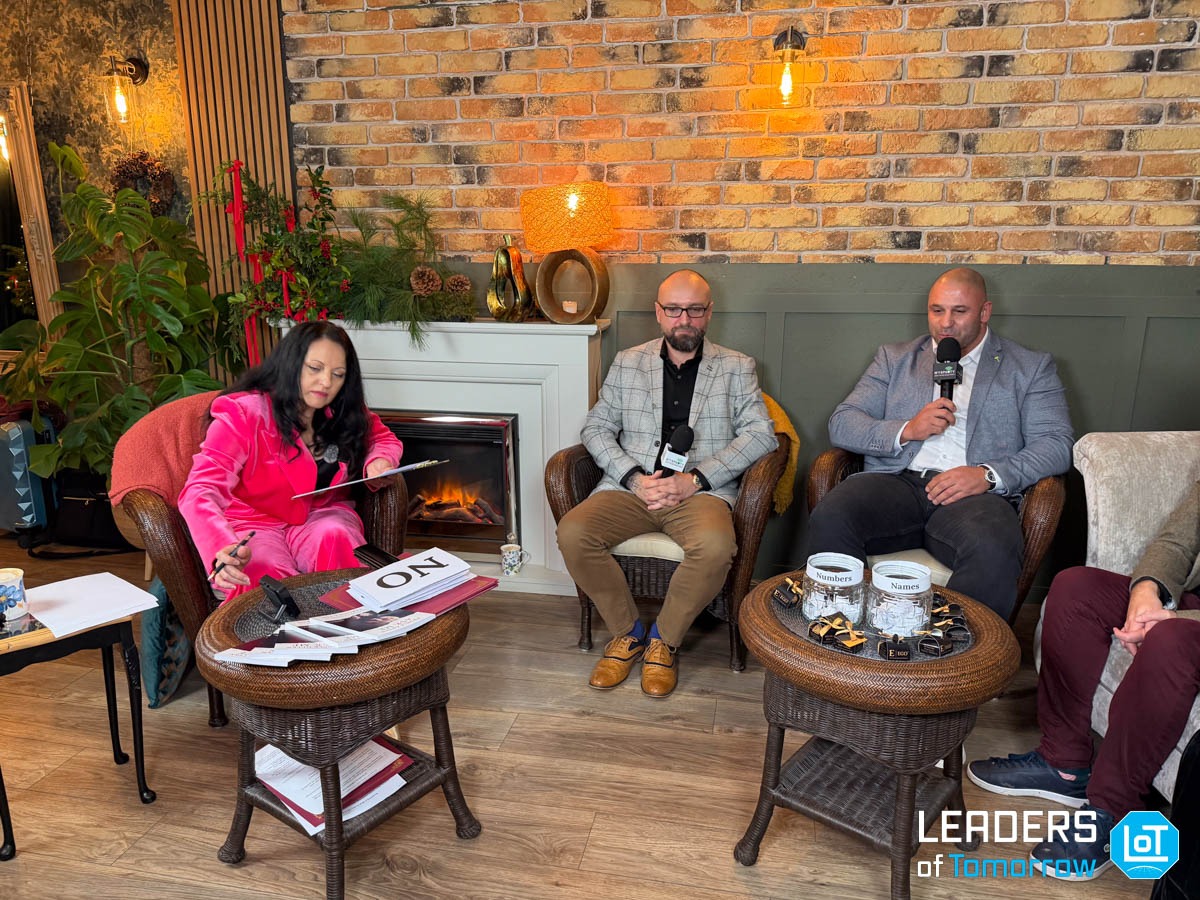
In the intimate space of Grushka Studio, a place associated with quality, calm, and attentiveness, a debate began that, from the very first minutes, was a conversation about technology. The first part of the programme “Leaders of Tomorrow” was conceived as the opening of a series on conscious business in the era of artificial intelligence.
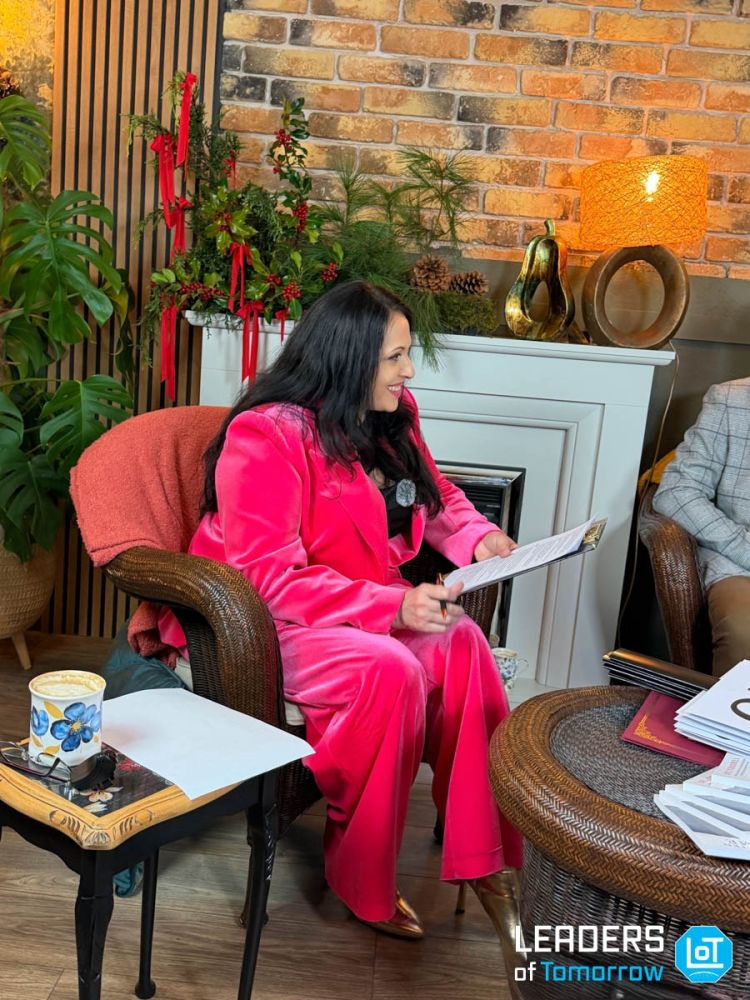
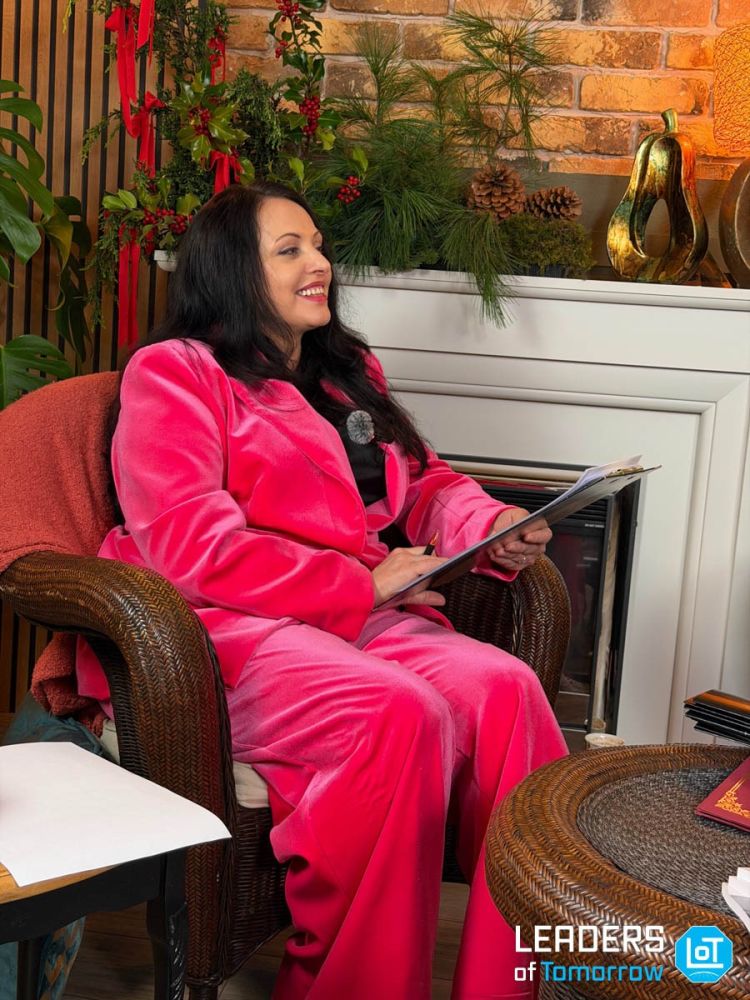
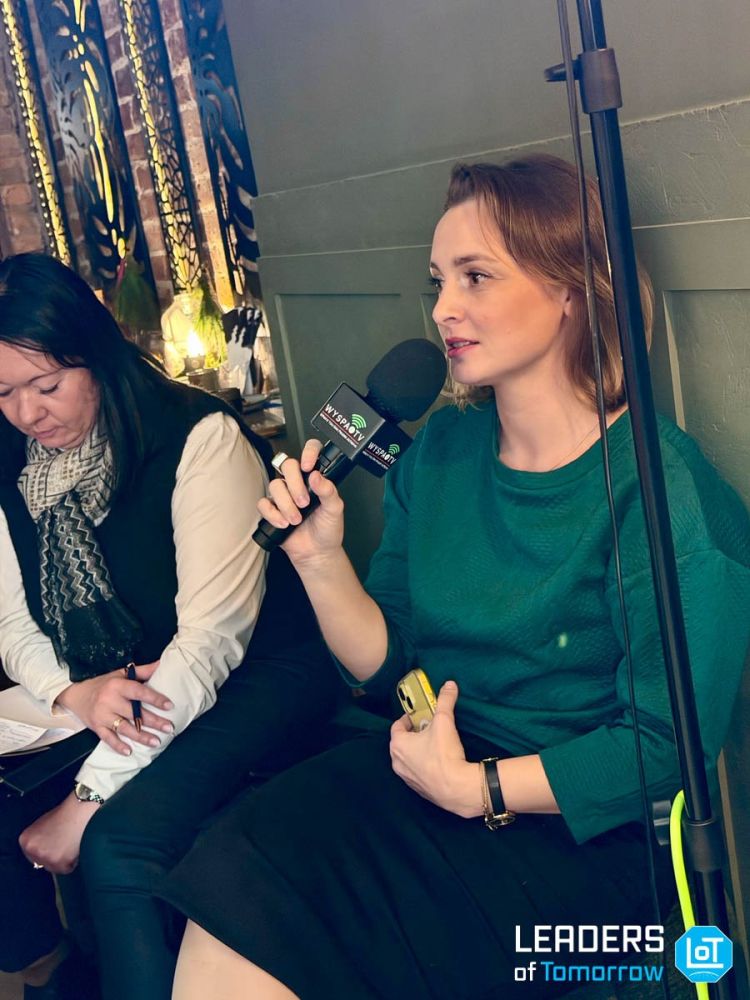
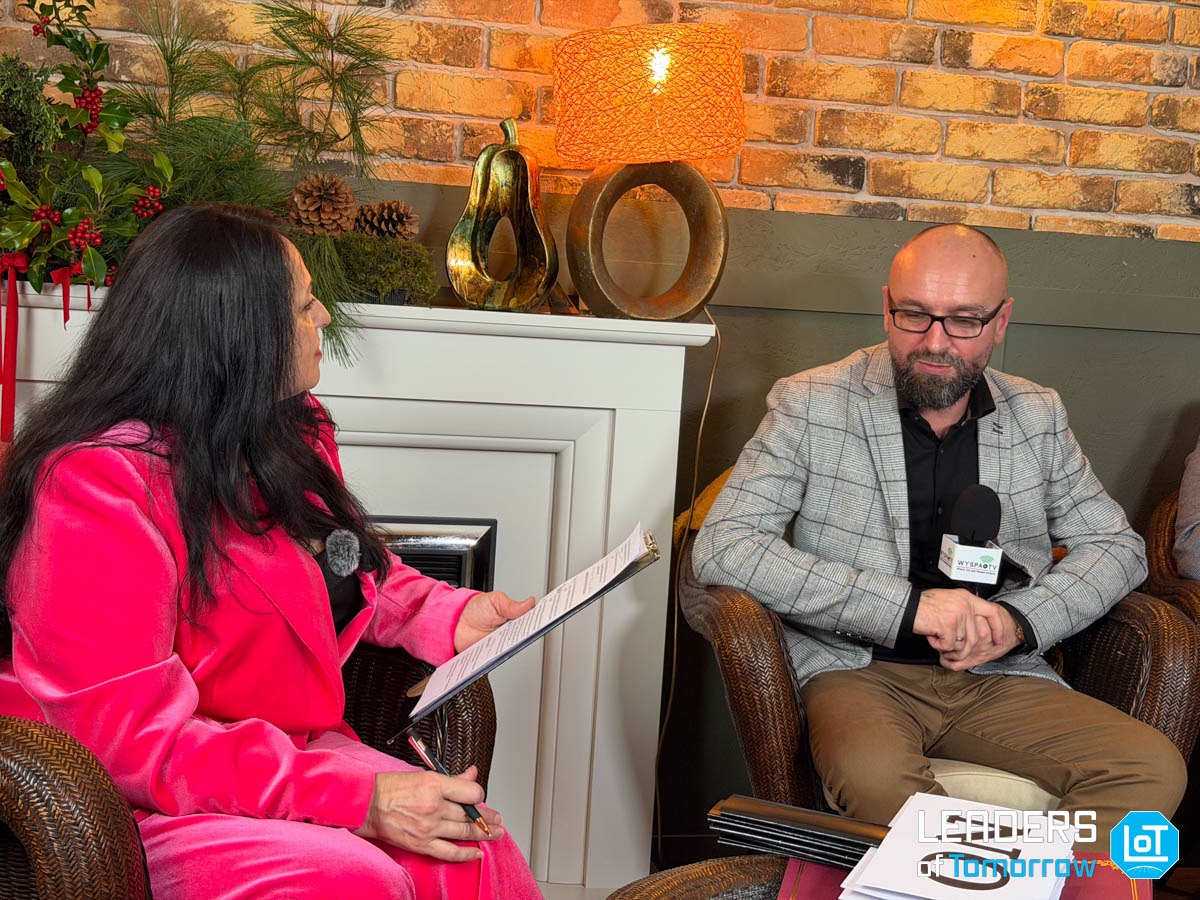
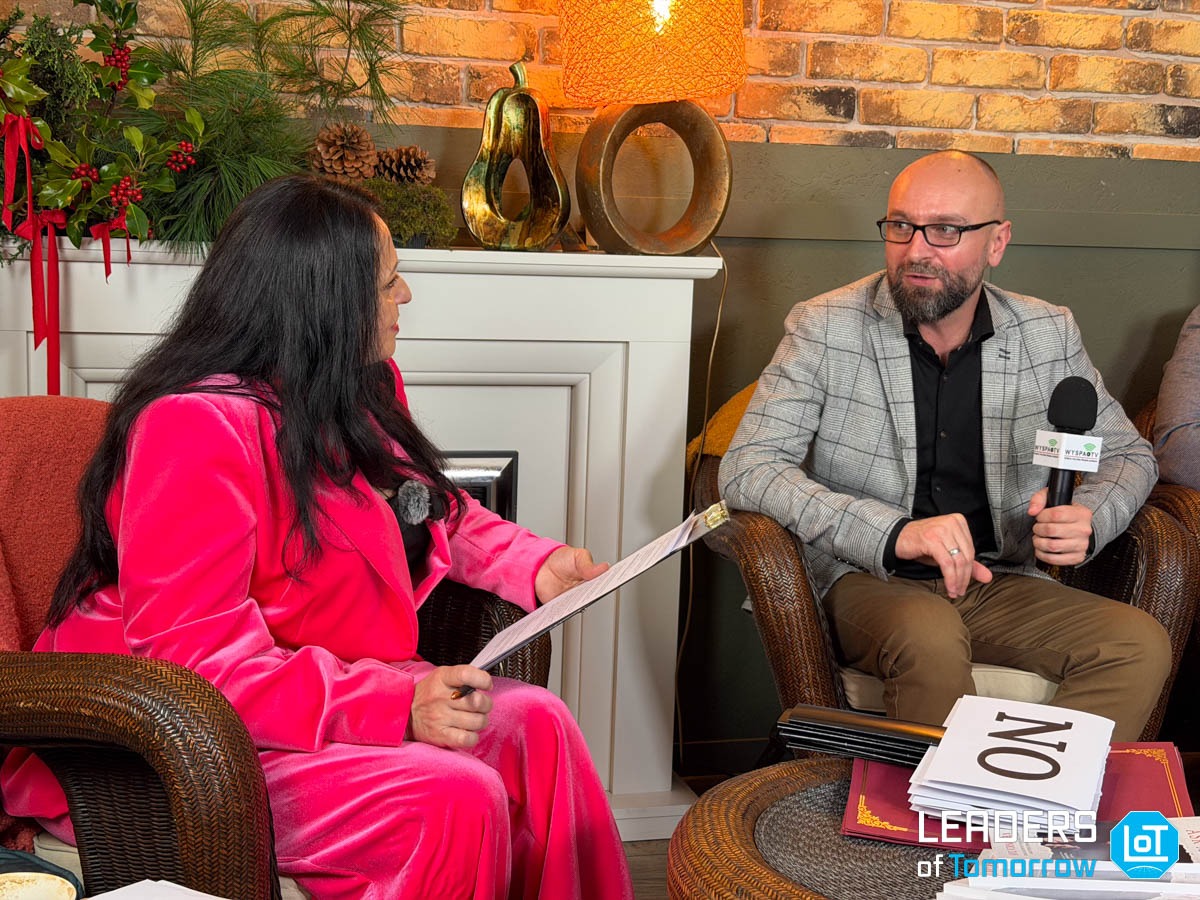
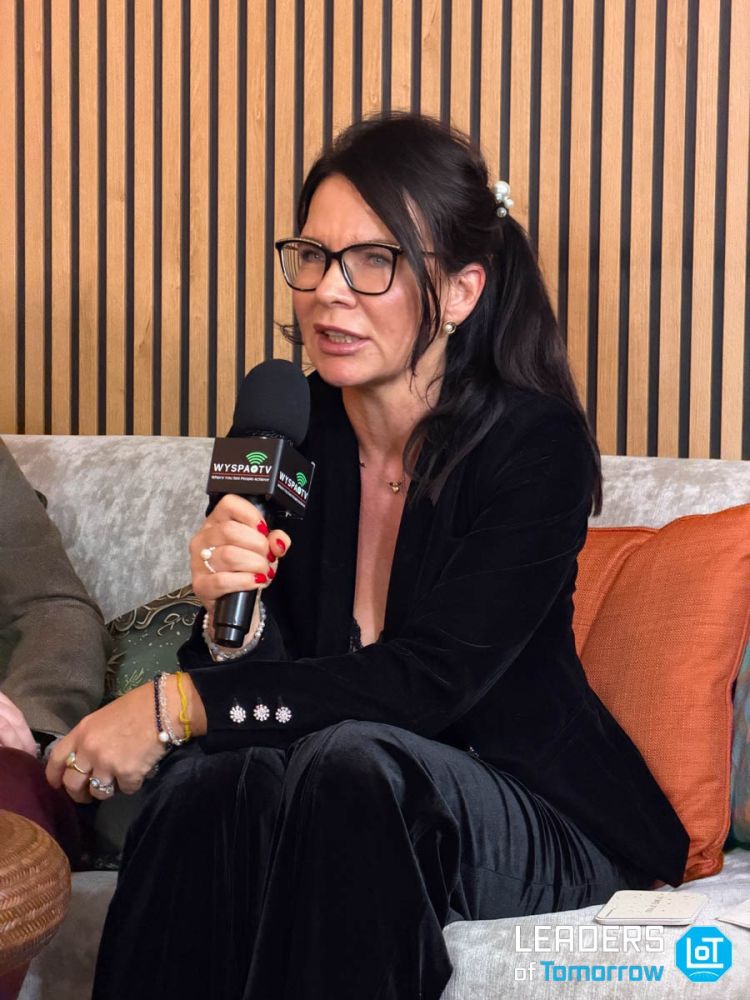
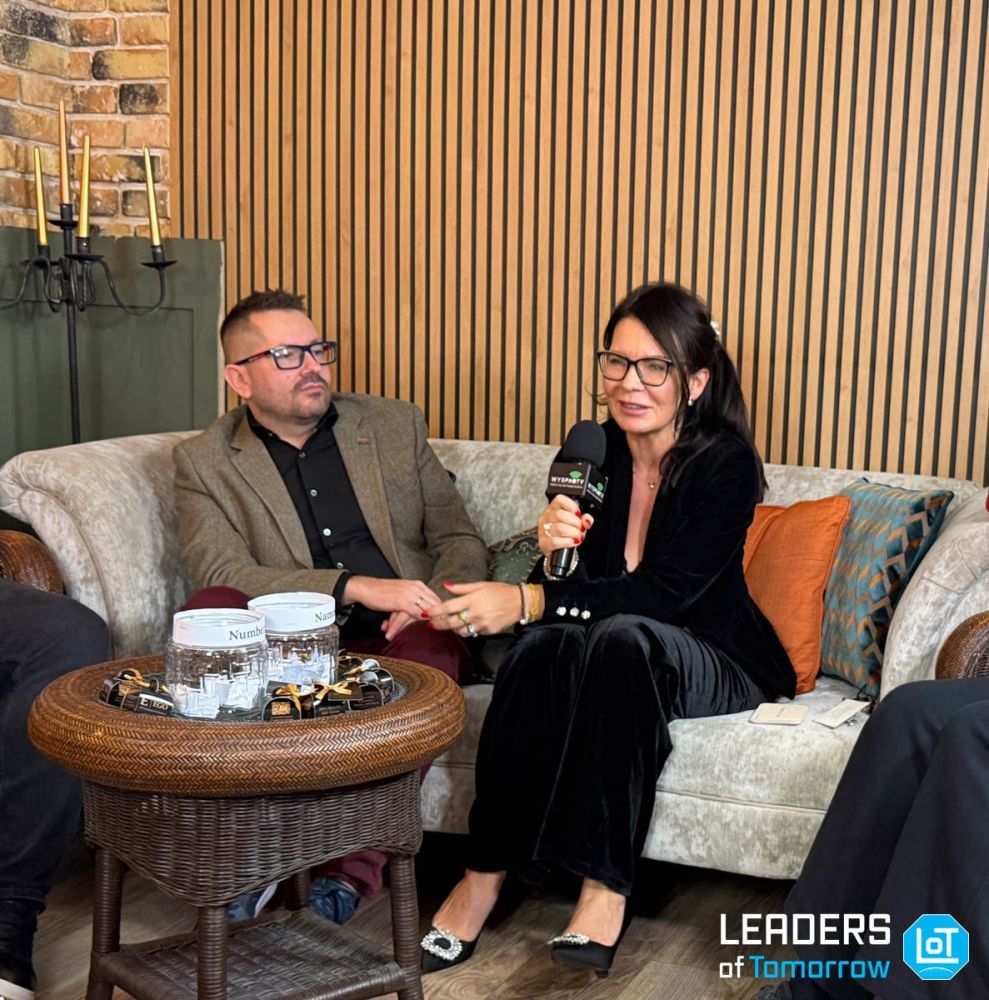
The debate was led by Maria Anna Furman, who set its tone precisely, with a clear sense of what was at stake. She outlined a world in which the algorithm stands alongside the human being, sometimes acting as a helper, sometimes as a competitor, and at times even provoking the question of whether humans are giving up too much of their own agency. The introduction did not take the form of a manifesto against technology.
The proposed theme, “The Power of the Brand, the Power of the Human versus AI,” read like a call to arms, but the structure of the first part of the discussion was more refined. Instead of a simple division into “for” and “against,” the host asked the guests to present perspectives arising from everyday practice.
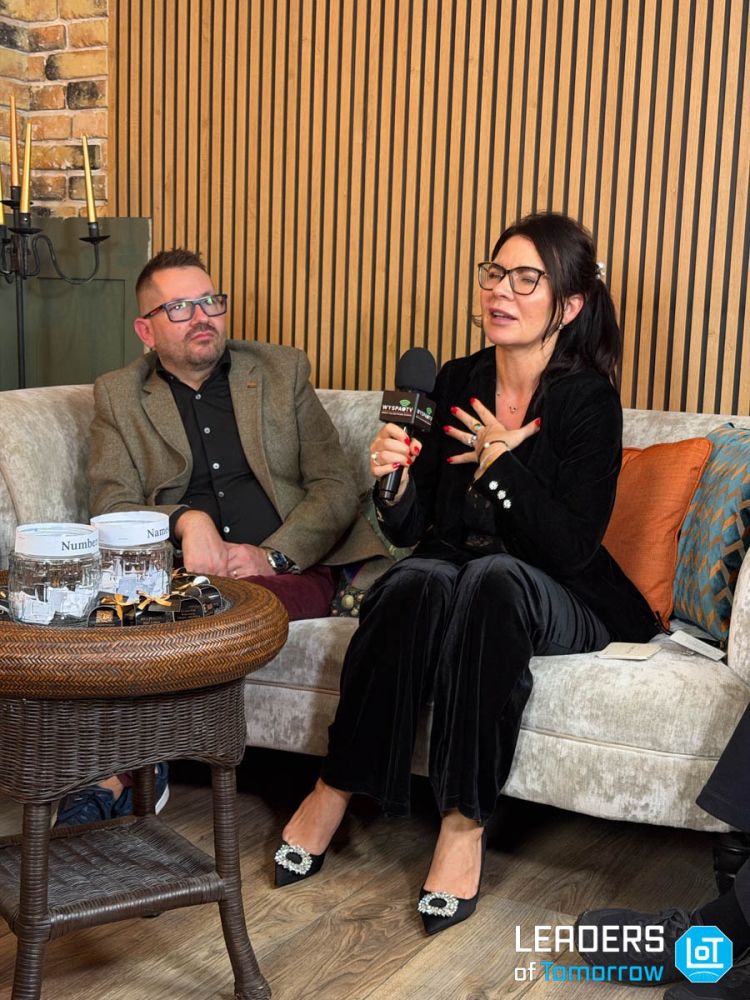
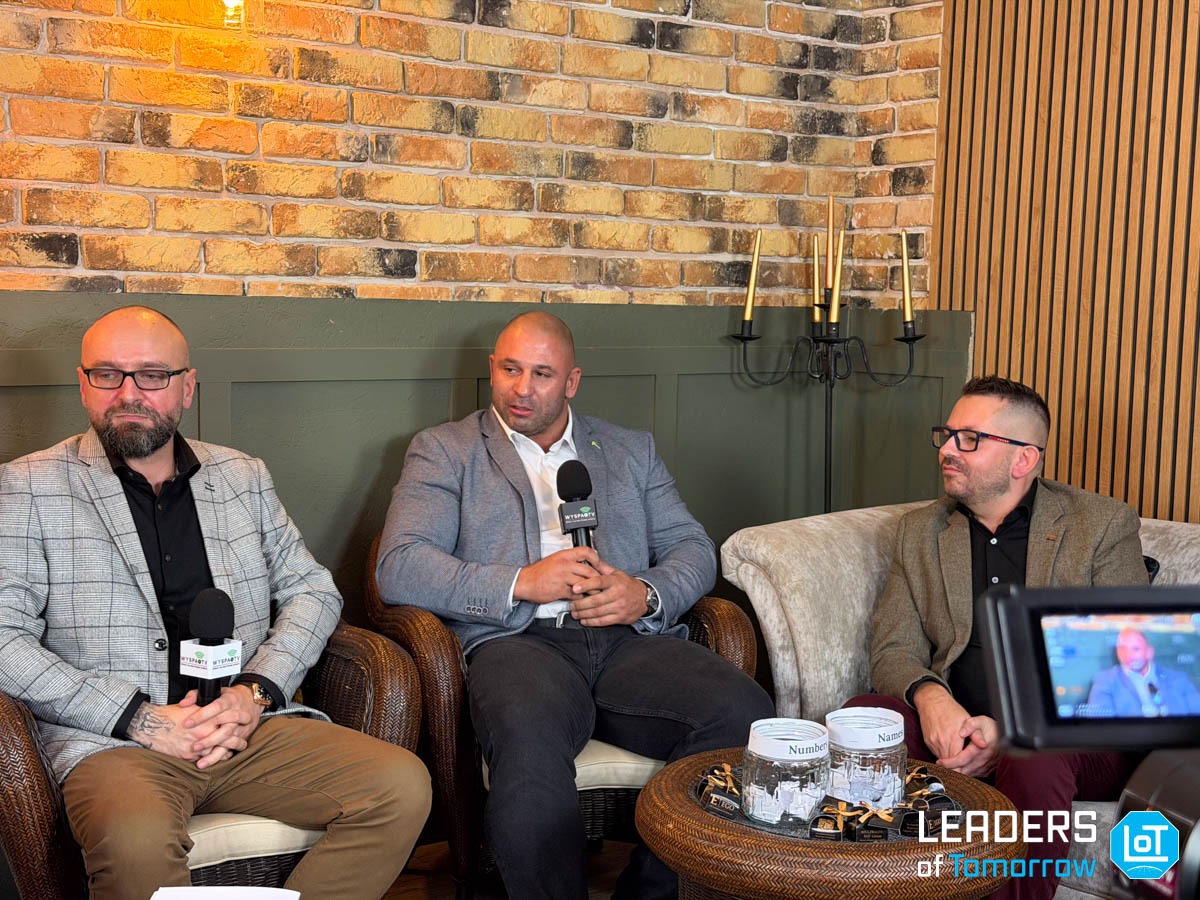
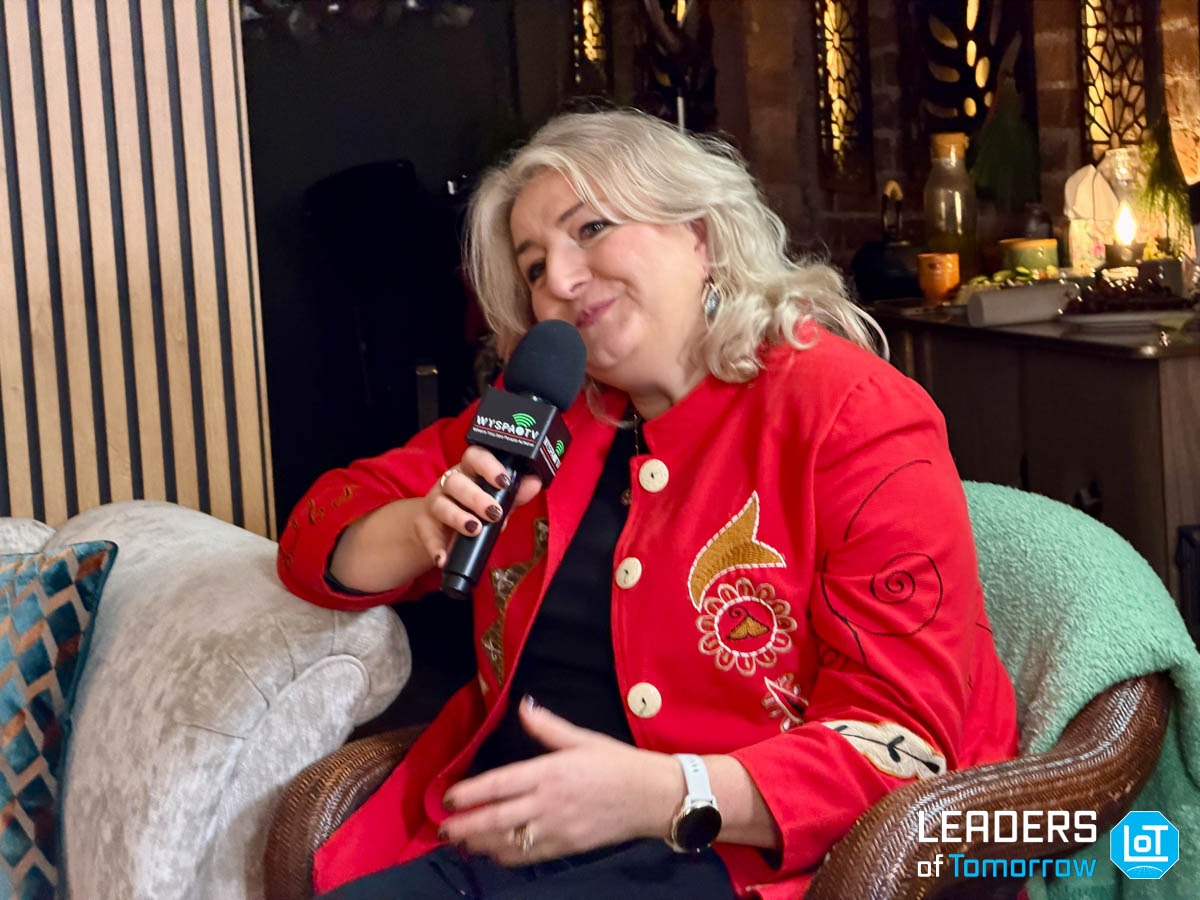
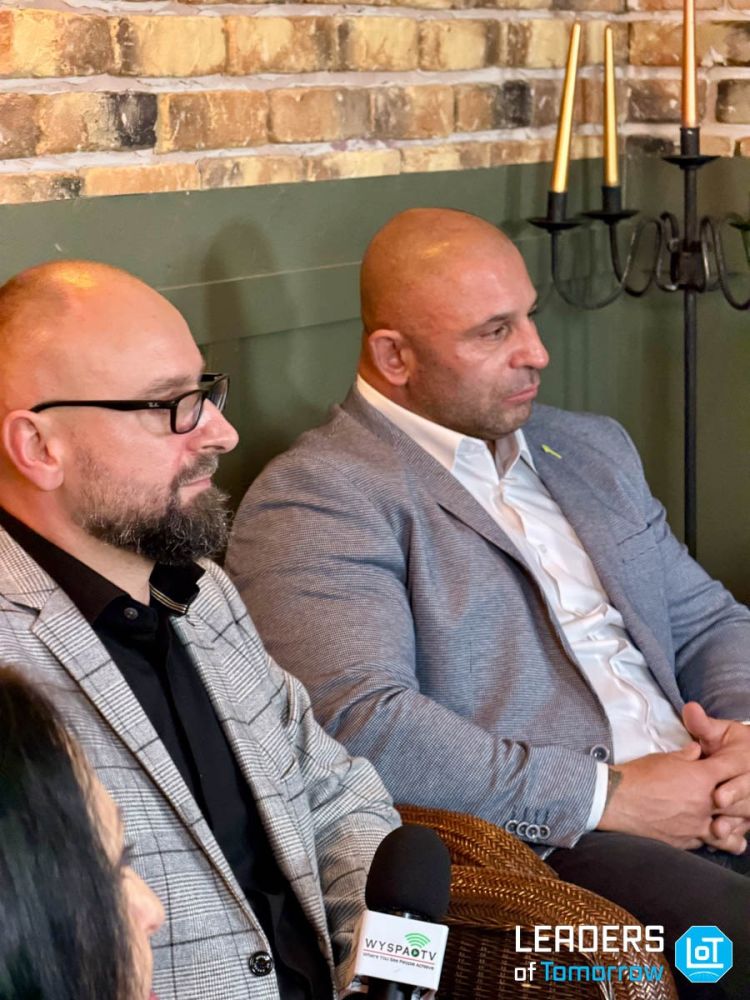
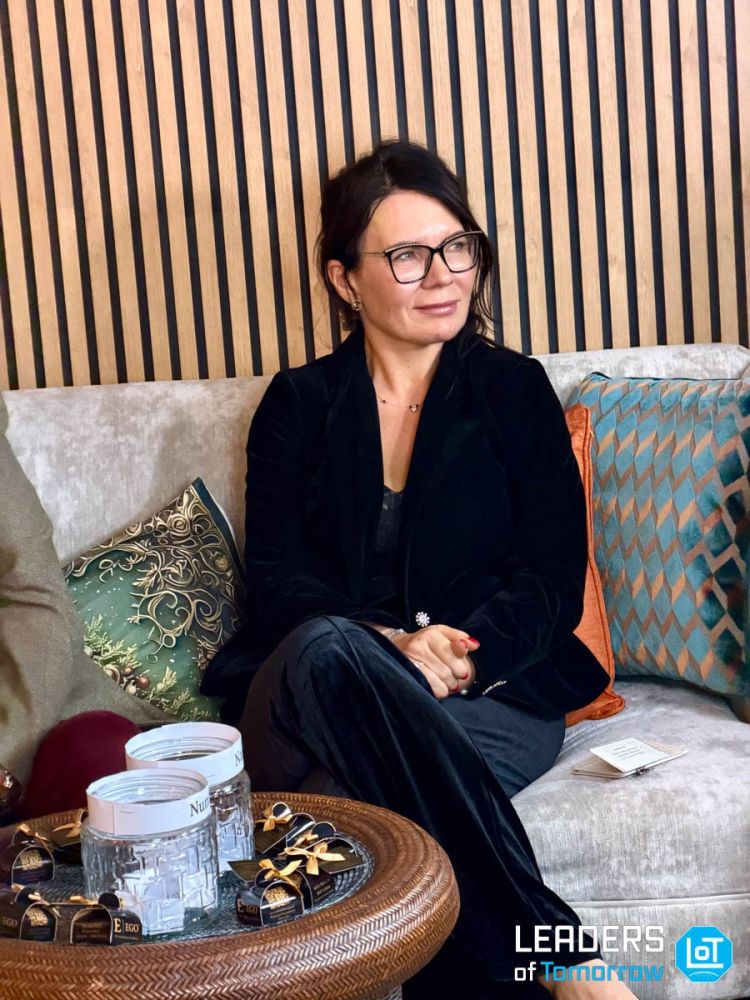
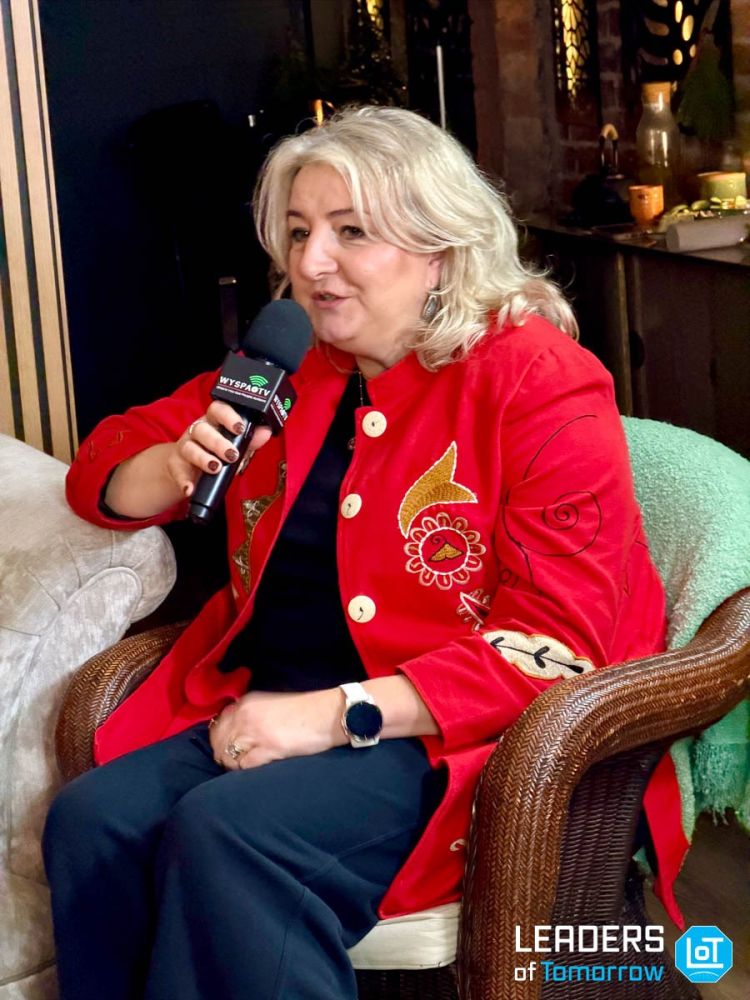
This diversity was not accidental. The selection of participants suggested that the discussion was intended to focus less on the technology itself and more on its impact on the foundations of business: trust, credibility, and the client–brand relationship.
The first part of the debate was structured as an opening round, a sequence of questions designed to elicit the participants’ fundamental attitudes toward AI. The aim was not to define terms or present tools. The host consistently steered the conversation toward specifics: where technology genuinely helps, where it begins to seduce with convenience, and where it creates the illusion that it can replace something it cannot.
From the perspective of developmental and mentoring work, the need for caution became evident. AI, although sometimes inspiring, appeared in this narrative more as a starting point than as a goal. It can initiate self-reflection, help name a problem, and even lead to a moment when a person dares to ask for support. At the same time, one key distinction in the debate emerged: dialogue with an algorithm does not create an emotional experience. Nor does it create a space where a person can experience something or confront their own fear, shame, or pain. In this view, AI can serve as a springboard, but transformation occurs only when another human being is present.
In the world of accounting, the tone was different, more technical, but it led to a similar conclusion. AI was presented as a tool that streamlines work: it accelerates processes, detects errors, organises data, and supports forecasting. However, where the consequences of a single mistake matter and in accounting, they can be costly, the ultimate burden of responsibility does not disappear. Automation may support, but it does not take over the consequences. This is why one of the most practical topics arose in this part of the discussion: who is responsible for an error in a report created with AI involvement?
The discussion of responsibility naturally transitioned to processes, control, and the quality of teamwork. This is an important part of the debate, as it shows that technology is not a “replacement for the human being,” but rather an element of the work environment that requires mature management.
In the world of investment and real estate, the theme of intuition and experience returned. In this part of the debate, a strong conviction emerged that a beginner investor, by handing over the steering wheel to algorithms, may lose the ability to independently weigh risk. Technology, understood in this way, not only helps but can also lull vigilance.
In the context of a local business built on relationships and customer memory, the conversation took on an even more social dimension. AI was recognised as a potential source of marketing or logistical support, but not as a force capable of replacing trust.
The most sensory and, at the same time, the most philosophical dimension of the discussion came from the perspective of the beauty industry and a holistic approach to the human being. The host, consciously intensifying the topic, even entered a theoretical scenario of the robotisation of treatments. This highlighted an important distinction: technology can simulate certain parameters (e.g., temperature), but it cannot simulate relationships.
We invite you to subscribe if you appreciate our work and want to support us. By clicking the "Subscribe" button and contributing just £2 a month, you help us grow the Wyspa TV channel and gain access to exclusive premium content. Your support means a lot—thank you!

Meet the creators:
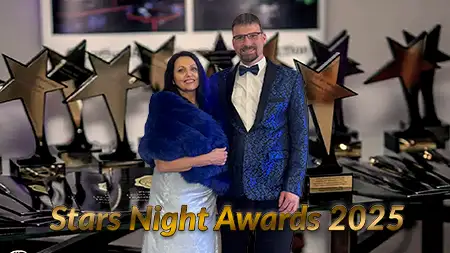
Maria Anna Furman, CEO of Golden Rule Ltd | Founder & Co-Creator of Wyspa TV | Creator of: Stars Night Awards | Leaders of Tomorrow | WINS Magazine
Przemysław Majdak Co-Founder and Director of Content Production at Wyspa TV
Stay up to date - sign up for the mailing list
As the conversation progressed, the opening round revealed not only the potential of AI but also its darker side. The host consistently pressed further, asking where the boundary lies between development and dependence on algorithms. What happens to a person when they begin to treat AI as a guide rather than as a tool?
One thread that resonated particularly strongly concerned emotions and their “freezing.” Attention was drawn to the fact that AI often becomes a convenient conversational partner: it does not judge, responds immediately, can lift the mood, offer reassurance, and reduce tension. This allows us to remain within our comfort zone. However, genuine work on oneself begins when a person allows difficult experiences, encounters their shadow, ego, and discomfort.
This part of the debate also included reflections on AI hallucinations and limitations. It was noted that technology can generate responses that are convincing but not necessarily true, and that testing its reliability is necessary, especially in areas requiring legal or financial responsibility.
In its first part, the “Leaders of Tomorrow” debate consistently returned to a central question: who controls the tool or human values? Is an entrepreneur able to say “no” to what is effective if it conflicts with their ethics?
An interesting motif was also the idea of “teaching AI oneself” as a time-consuming and effort-intensive process. In this narrative, artificial intelligence is not a magic button but a tool that delivers valuable results only when a person can precisely define who they are, what they represent, and where they are heading. Once again, the key theme returns: self-awareness as a condition for ensuring that technology does not impose an identity.
The audience joined the discussion. The question that was raised shifted the perspective: from the industry-focused “how does AI affect business” to the philosophical “what is AI a test of in the world.”
This change was palpable in the atmosphere. The participants stopped discussing processes and tools and began discussing the human being.
At this point, the first part of the debate reached its proper thesis. Instead of frightening people with the future, it showed that the future is already underway, and the question is how humans will behave within it. Will they hand over decisions in the name of convenience, or will they learn to use technology in a way that strengthens their humanity rather than replacing it?
The finale of this part of the debate was smooth and deliberately planned. The host closed the opening round and announced the next stage: the moment when leaders would begin asking leaders. This is important because the first part served to set the map, showing positions, values, and boundaries. Only the following segment was intended to create space for confrontation and for deeper exploration of the themes among the participants.
The impression after the first part was coherent. It was a conversation about whether humans can remain agentic when technology offers shortcuts.
And although the debate took place in an intimate setting, its themes extended far beyond that space. In this first part, the direction of the entire programme was outlined: the defence of the human being not by negating progress, but by reminding that progress without values leads to emptiness. In a world in which almost everything can be generated, the most difficult and the most valuable thing to generate will still be what is real. Relationship. Responsibility. And a decision that does not arise from a chart, but from character.
Author/Editor Maria Anna Furman