Polski (PL)
 English (United Kingdom)



“Dziady” Not Only Read, but Also Explained. National Reading 2026 in Liverpool in Wyspa TV’s Original Educational Format

Author/Editor Maria Anna Furman
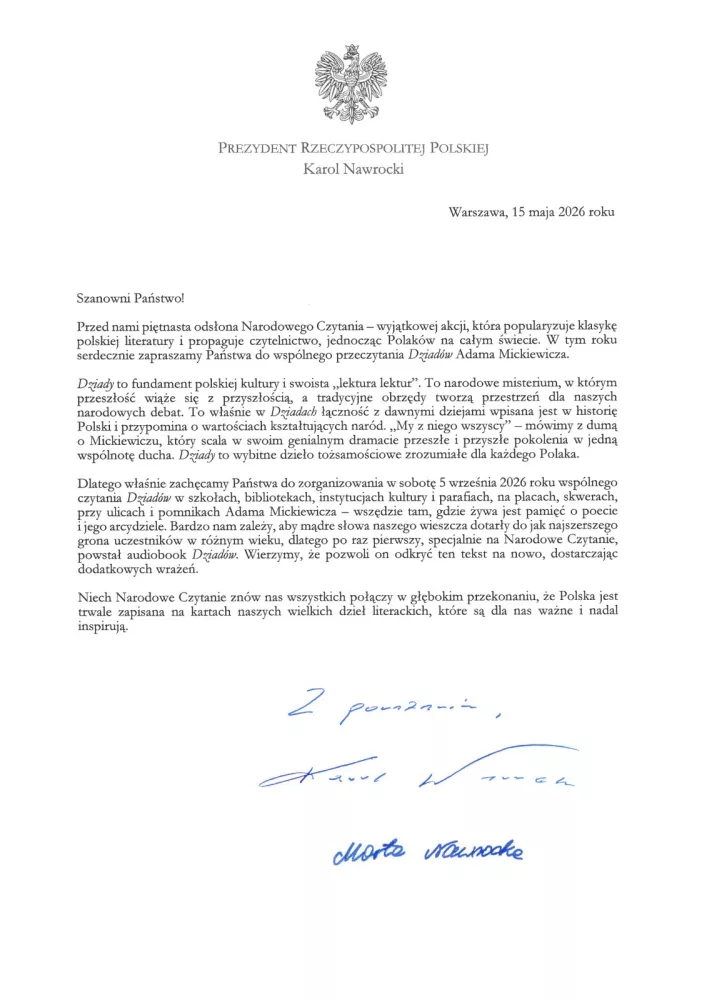
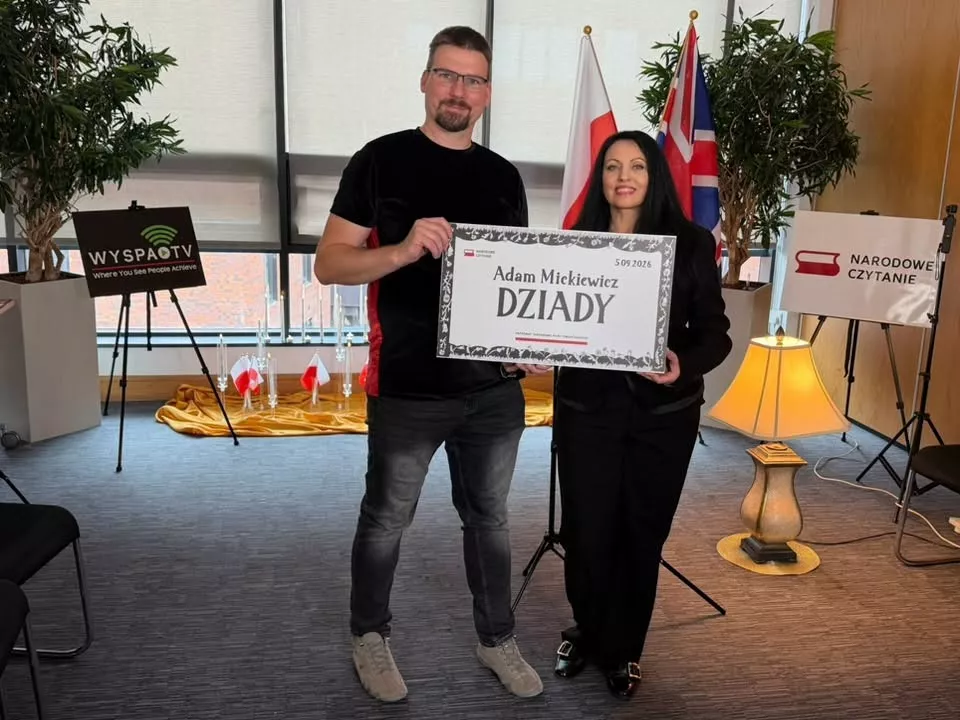
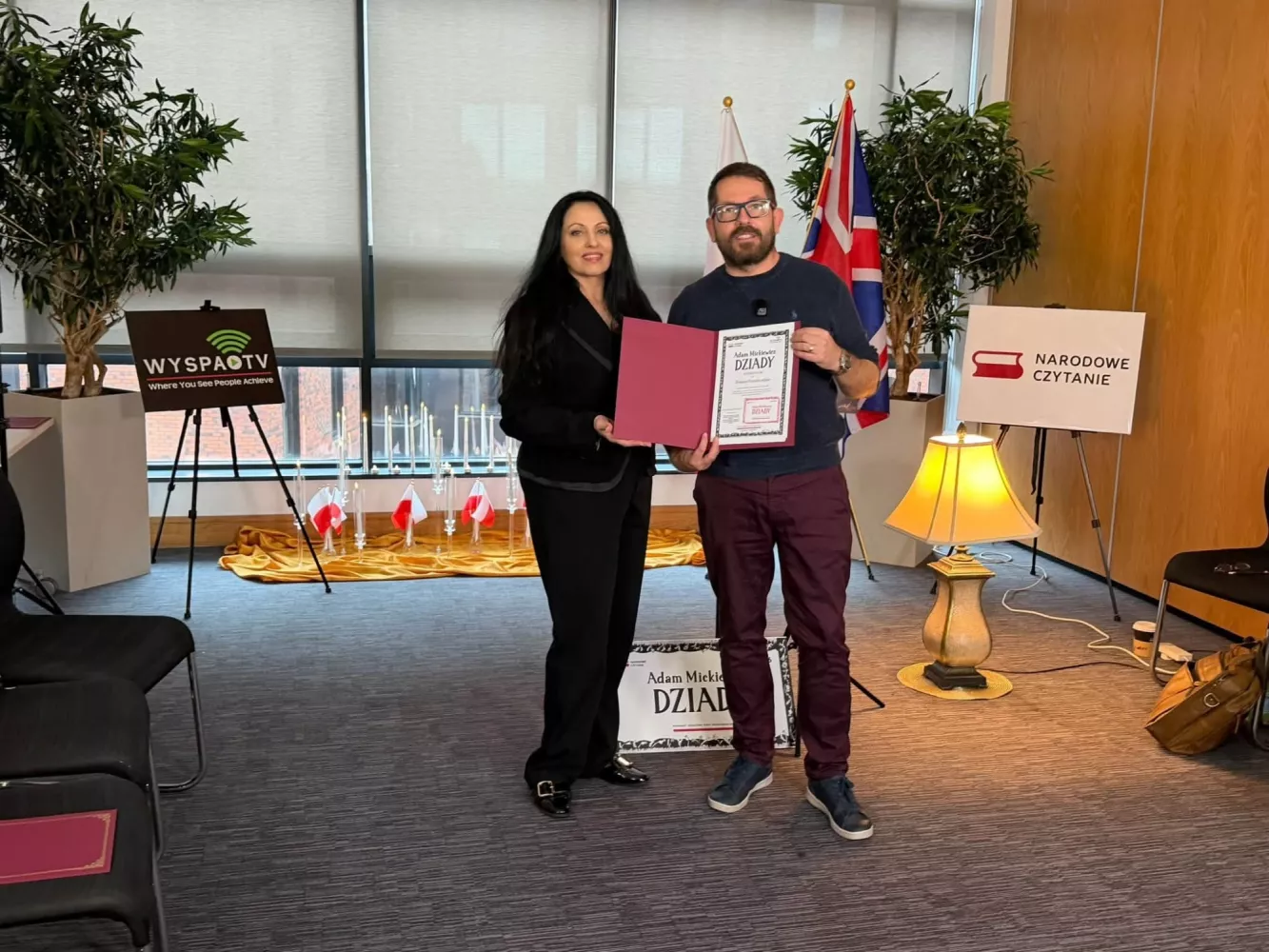
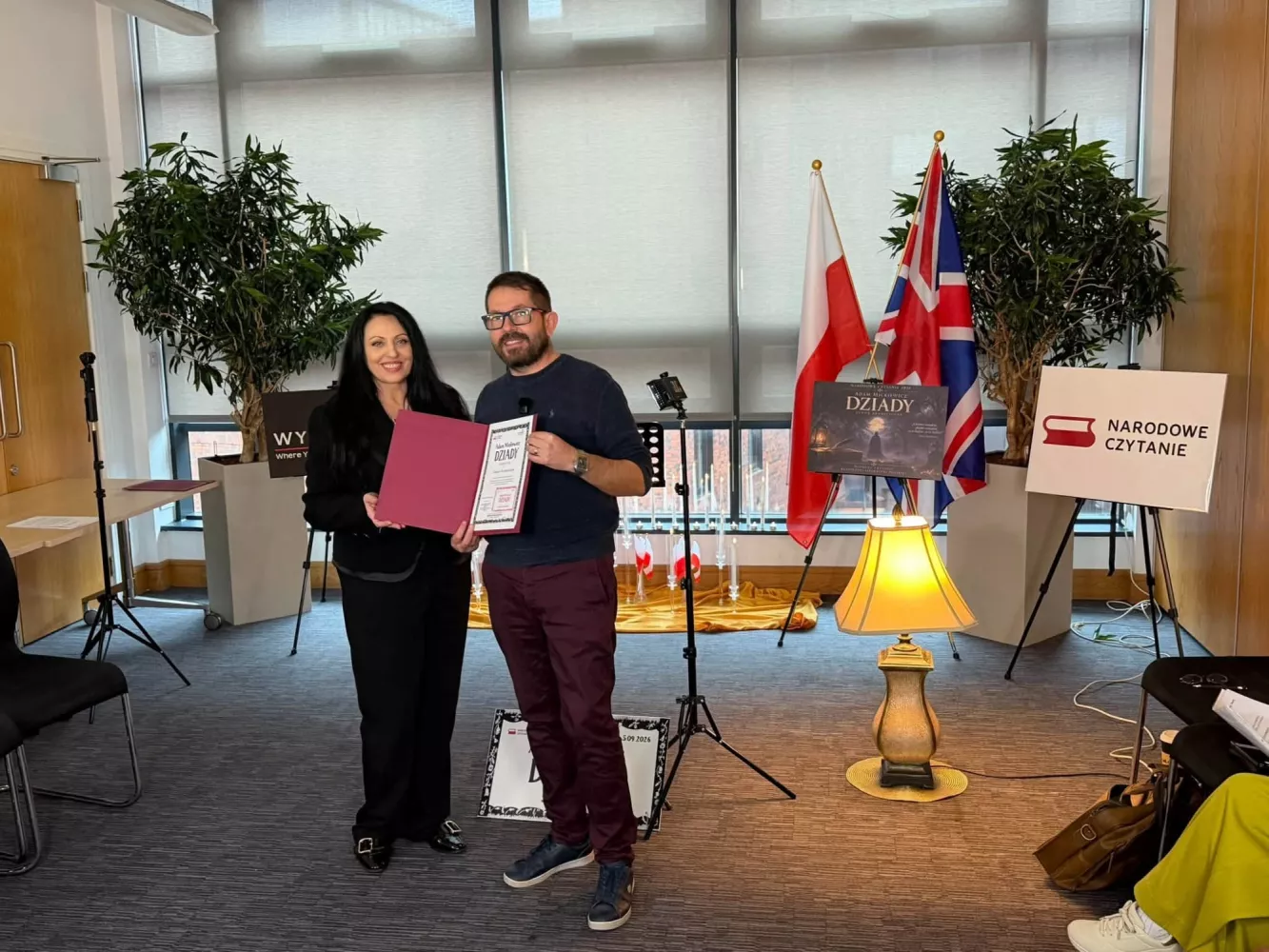
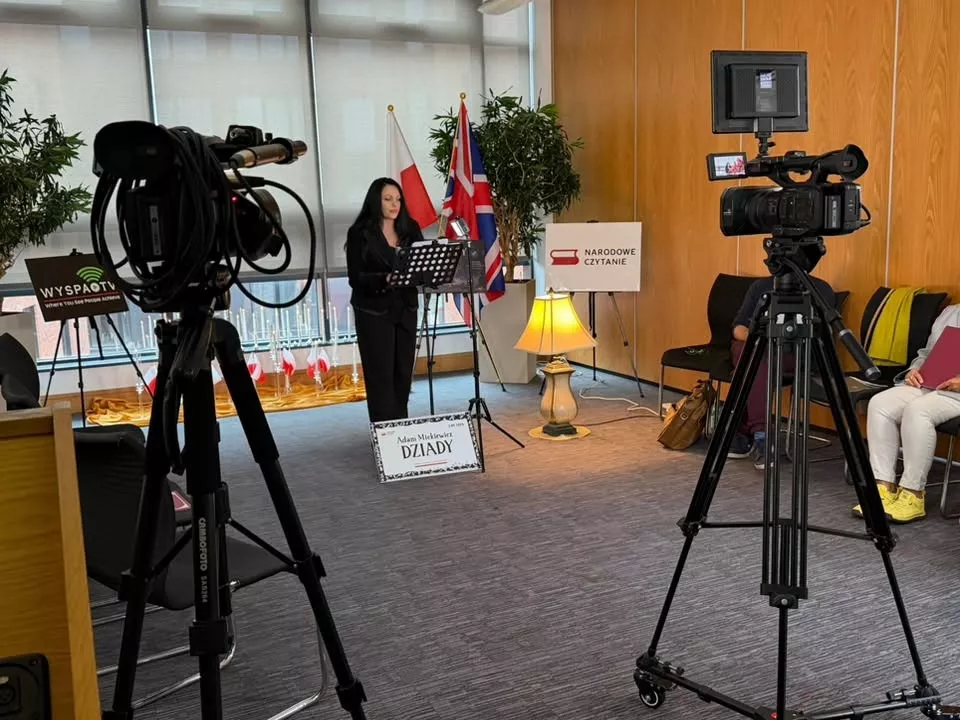
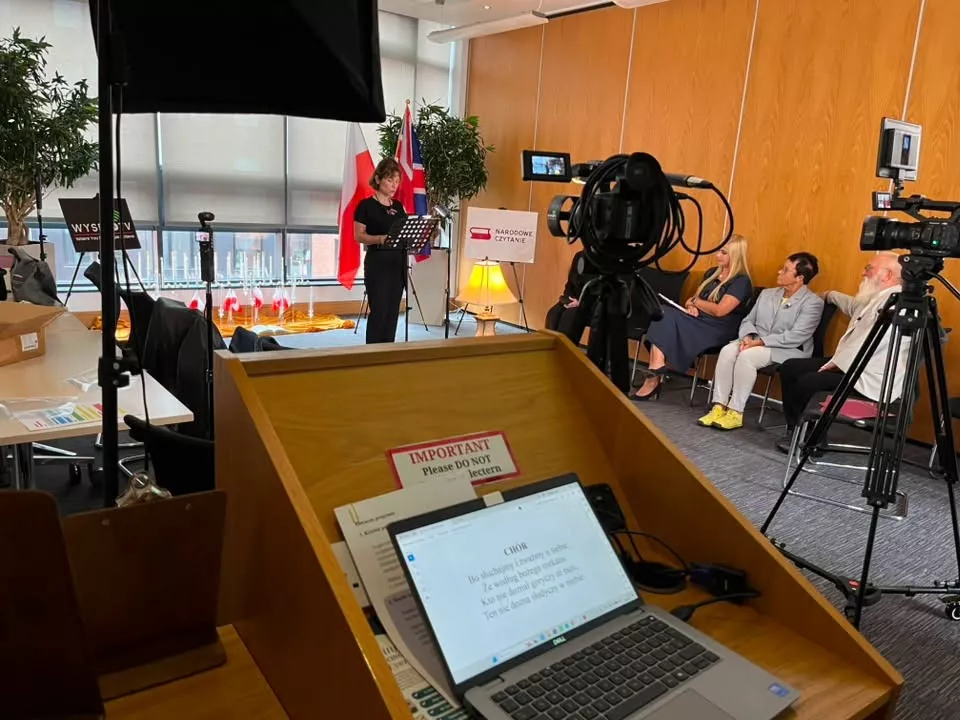
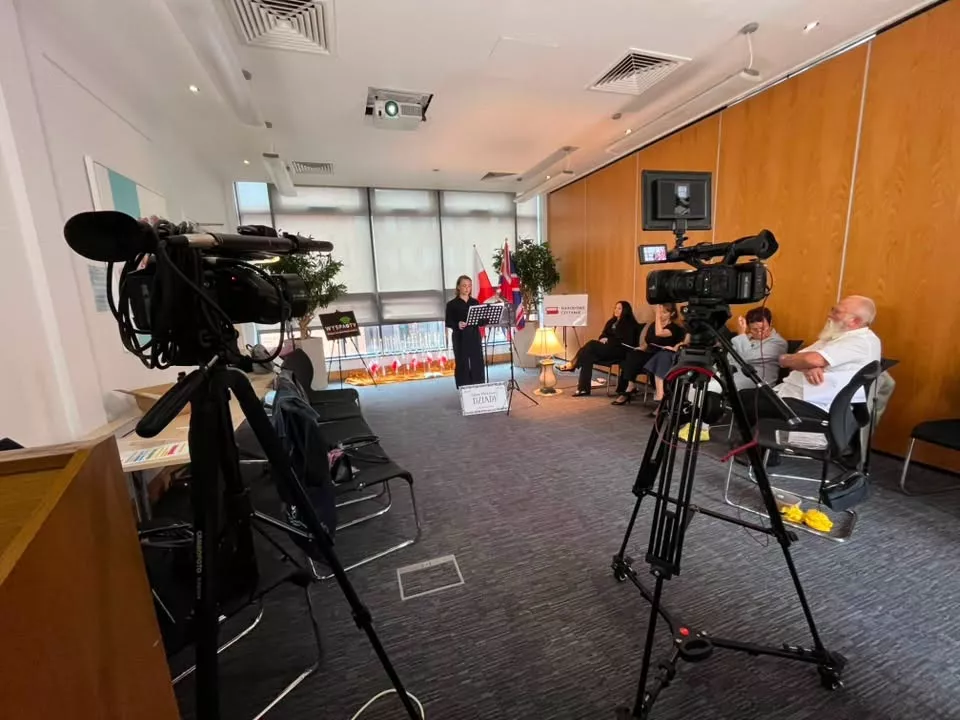
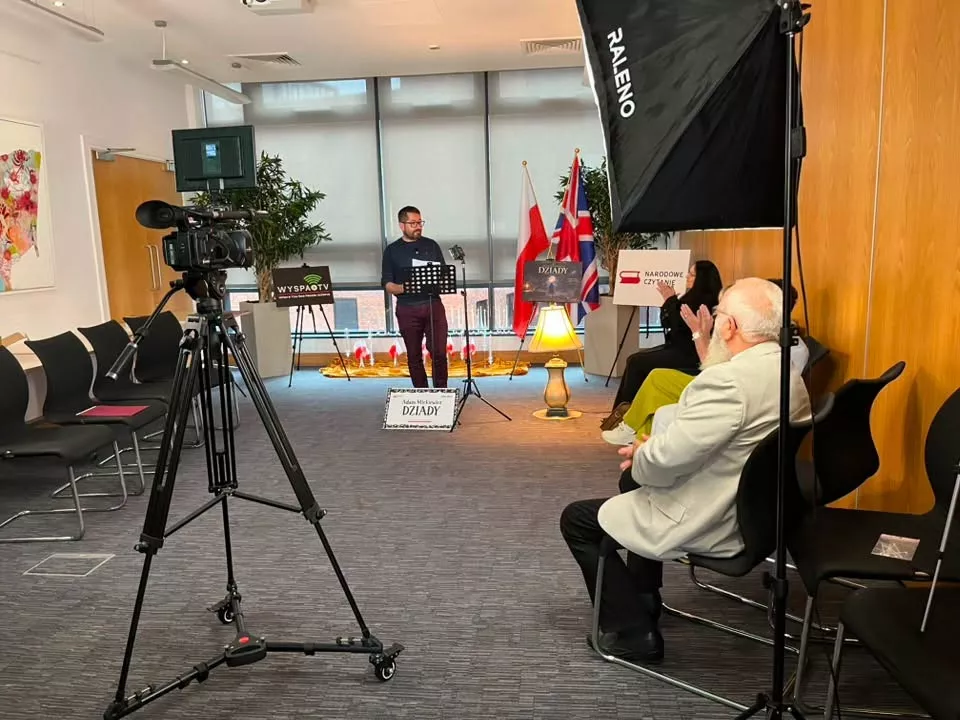
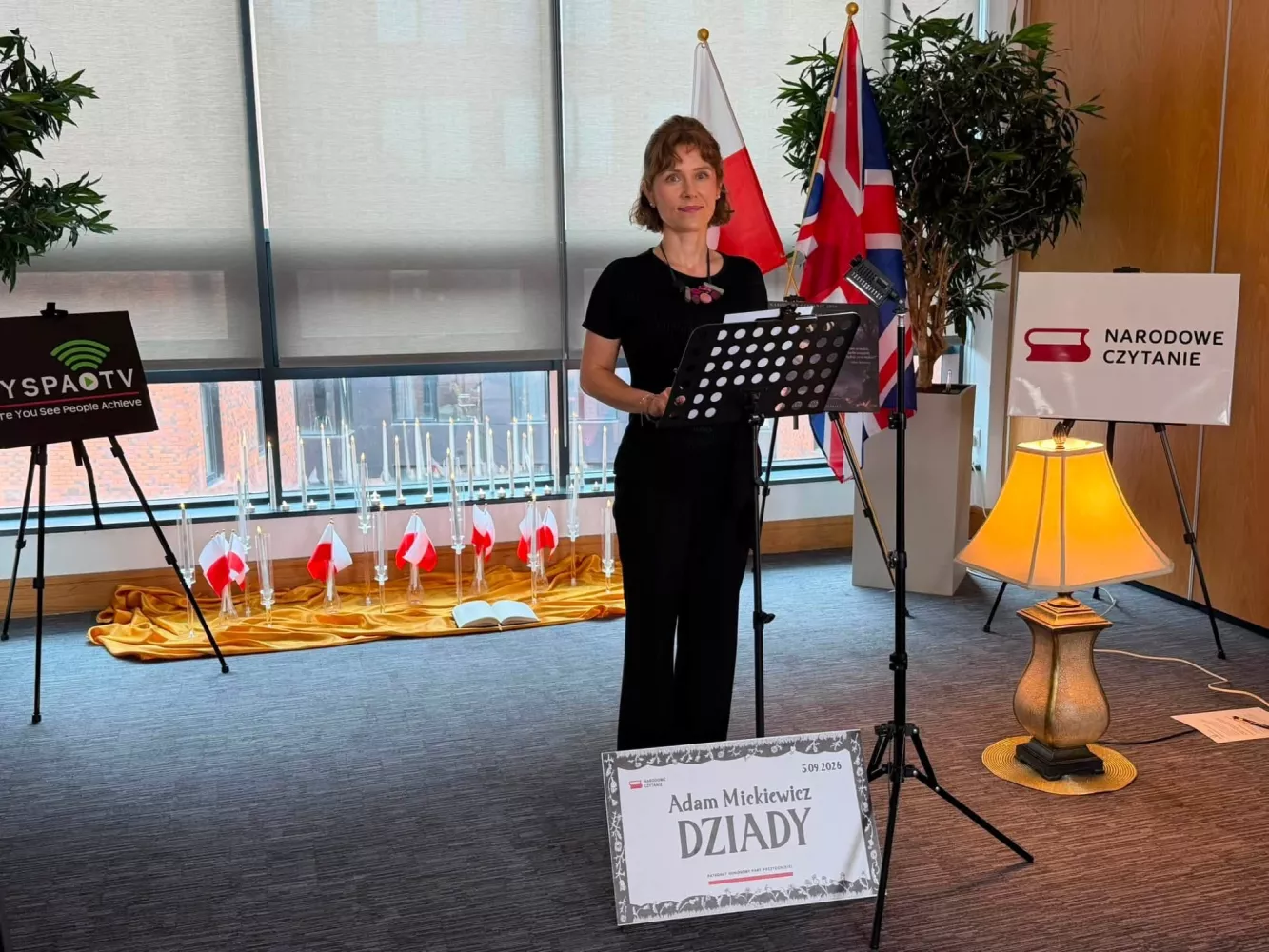
Can the classics of Polish literature be presented in a way that allows audiences not only to listen to them, but also to understand them more deeply? Once again, Wyspa TV took on this challenge by producing National Reading 2026 in Liverpool, this year dedicated to Adam Mickiewicz’s Dziady (Forefathers’ Eve).
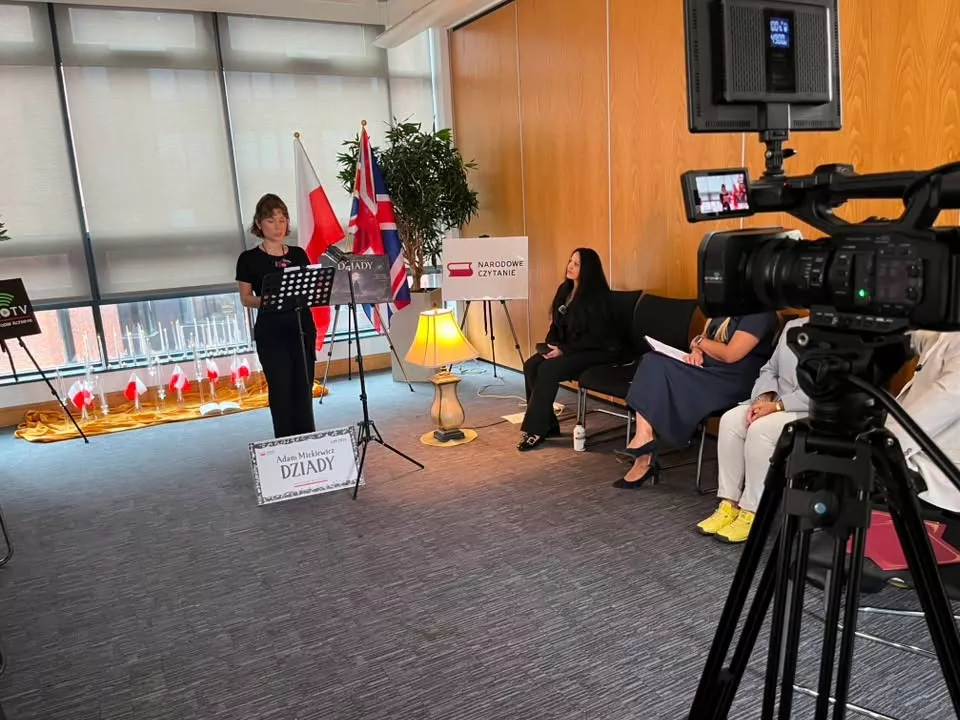
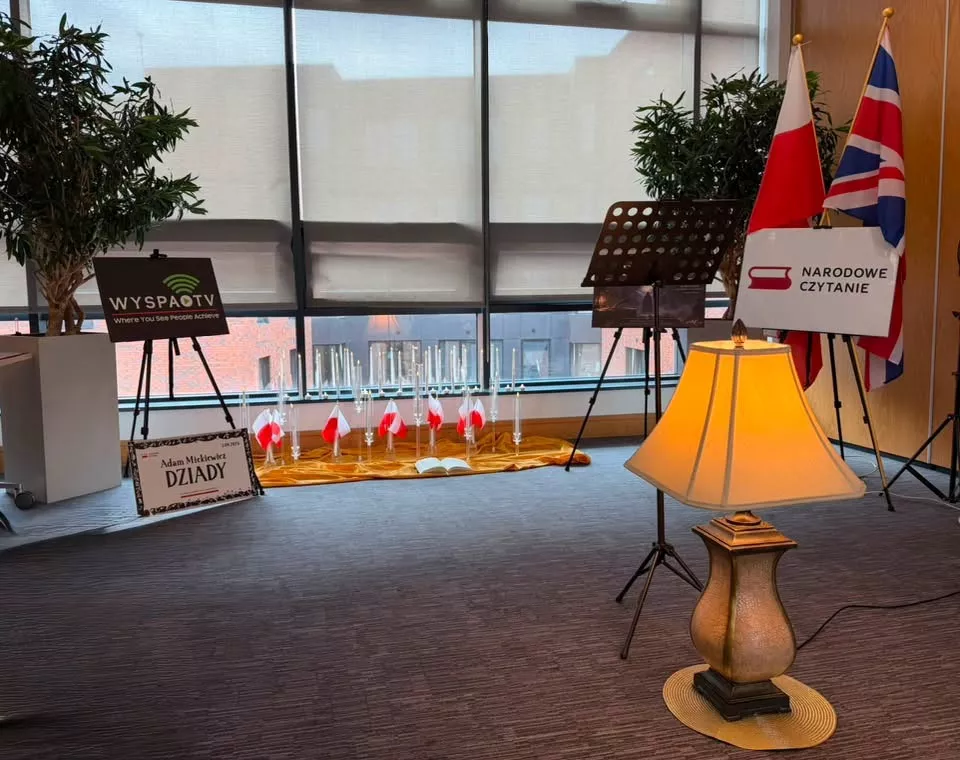
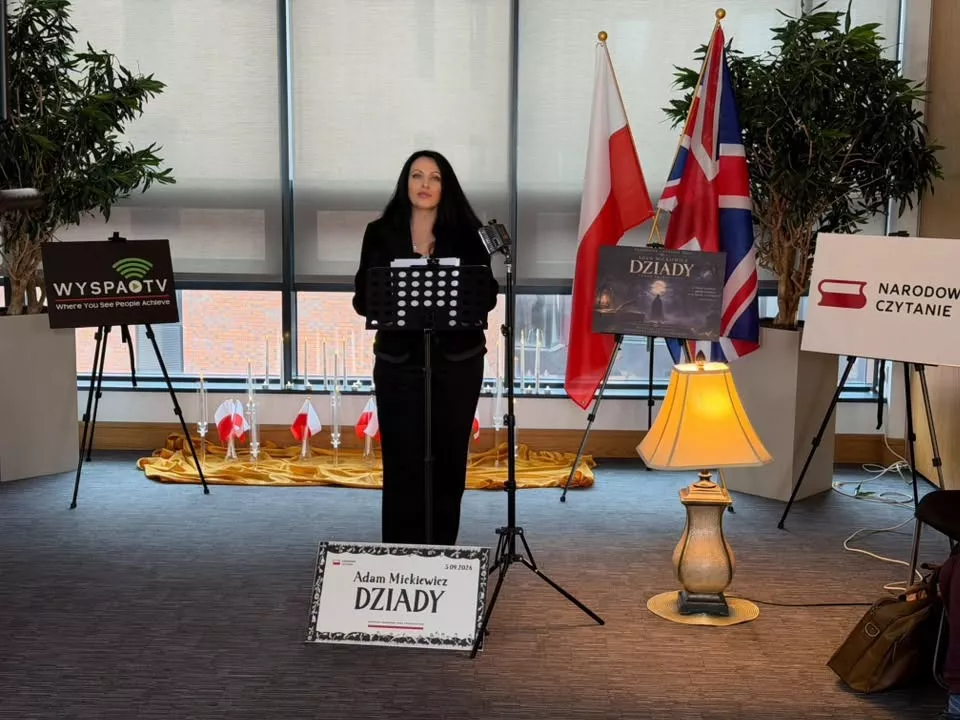
This year’s production went beyond the traditional format of a public literary reading. A programme was created that combined literature, education, visual storytelling, music, and interpretation. Each selected passage from Dziady was first presented by a reader, then followed by a summary designed to help the audience understand the meaning of the scene, its symbolism, and the questions Mickiewicz poses about the human condition.
Dziady is one of the most important, but also one of the most challenging works of Polish literature. Its symbolism, the language of its era, the world of spirits and its reflections on guilt, responsibility, love, suffering, good and evil can be particularly demanding for younger generations and for Poles growing up outside Poland.

For this reason, Maria Anna Furman, Editor-in-Chief of Wyspa TV, co-organiser and director of the programme, also prepared original summaries for each of the selected passages. They do not replace Mickiewicz’s text or impose a single interpretation. Instead, they bridge the language of Romantic drama and the contemporary audience, highlighting key themes and encouraging viewers to reflect independently on what the poet sought to convey.
As a result, the viewer is not simply a listener. After each passage, the audience is given context that provides an opportunity to pause and consider its deeper meaning. This structure gives Wyspa TV’s production a distinctive educational dimension, allowing the recording to serve not only as documentation of the event but also as a resource for discovering and understanding Polish literature.
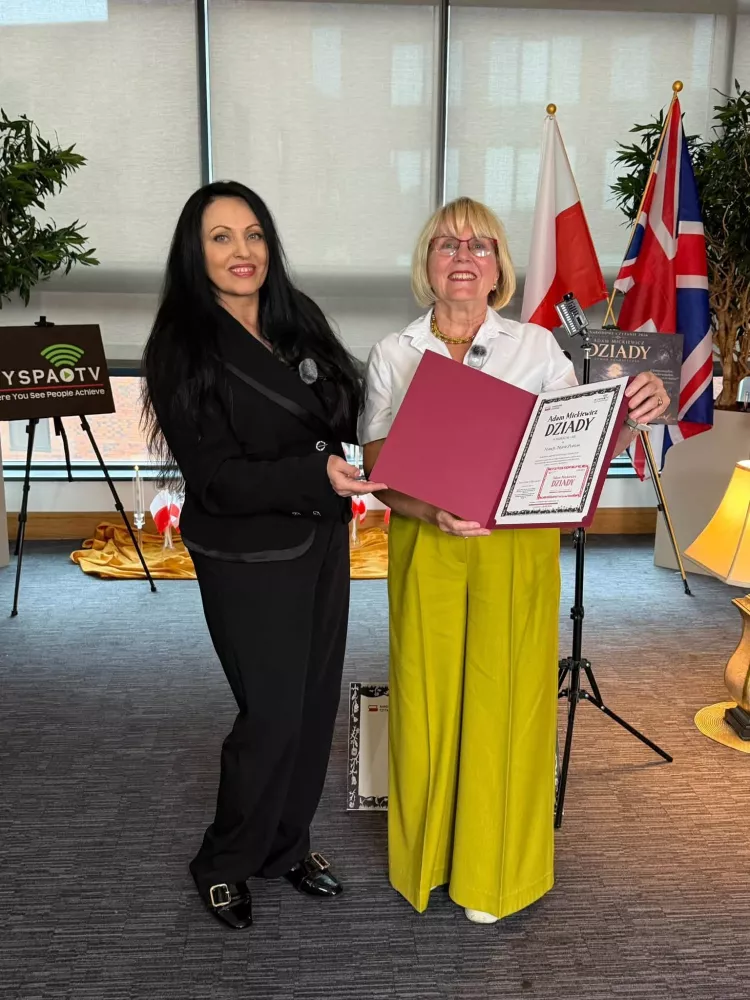
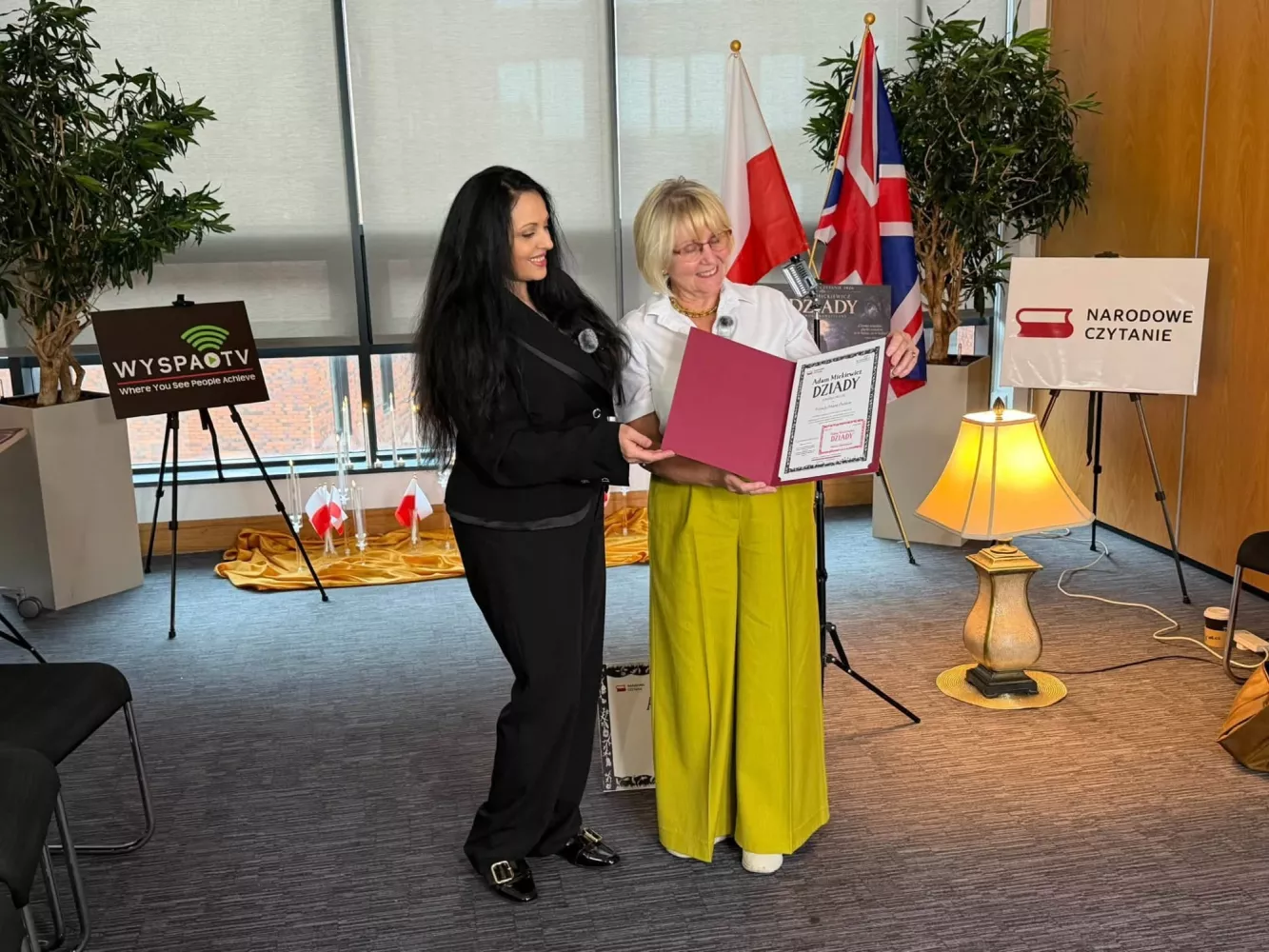
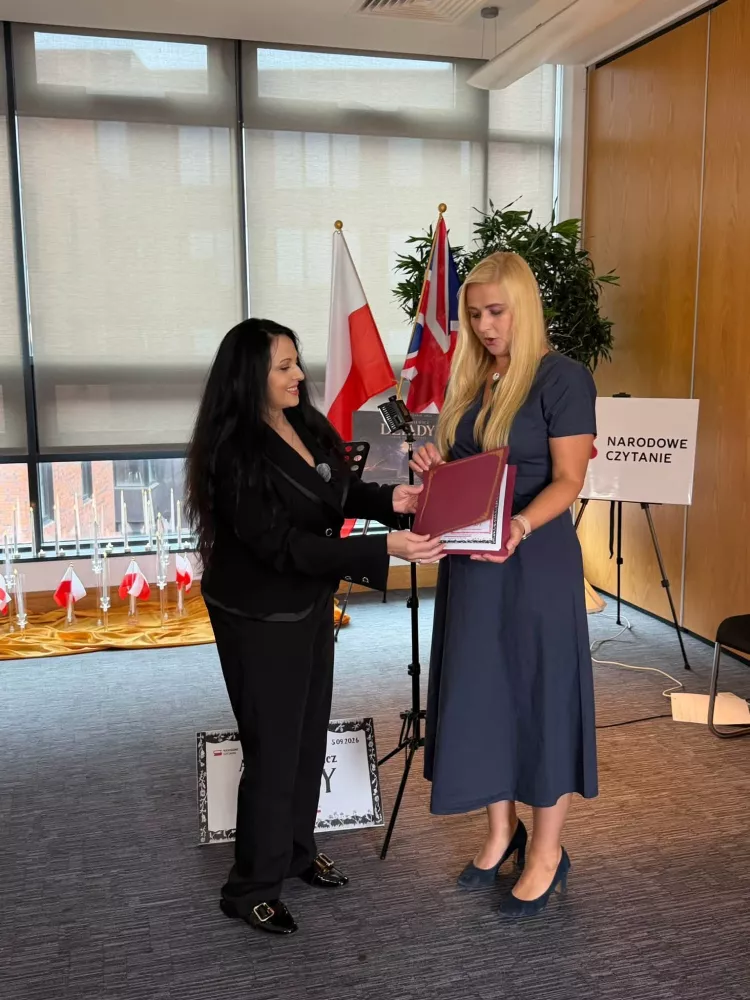
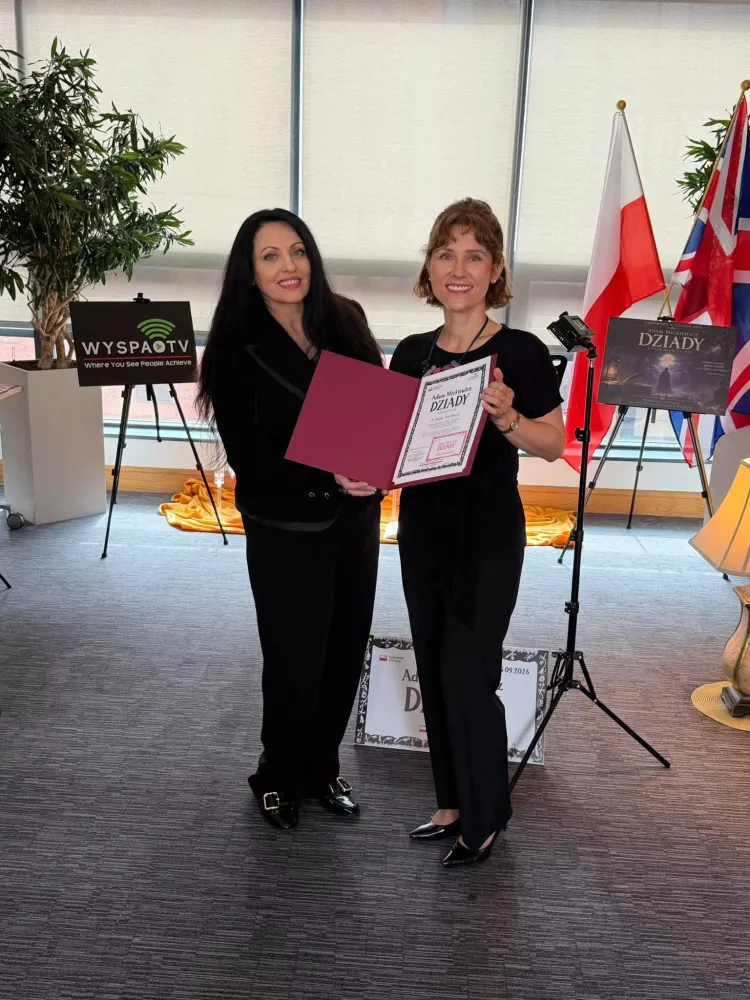
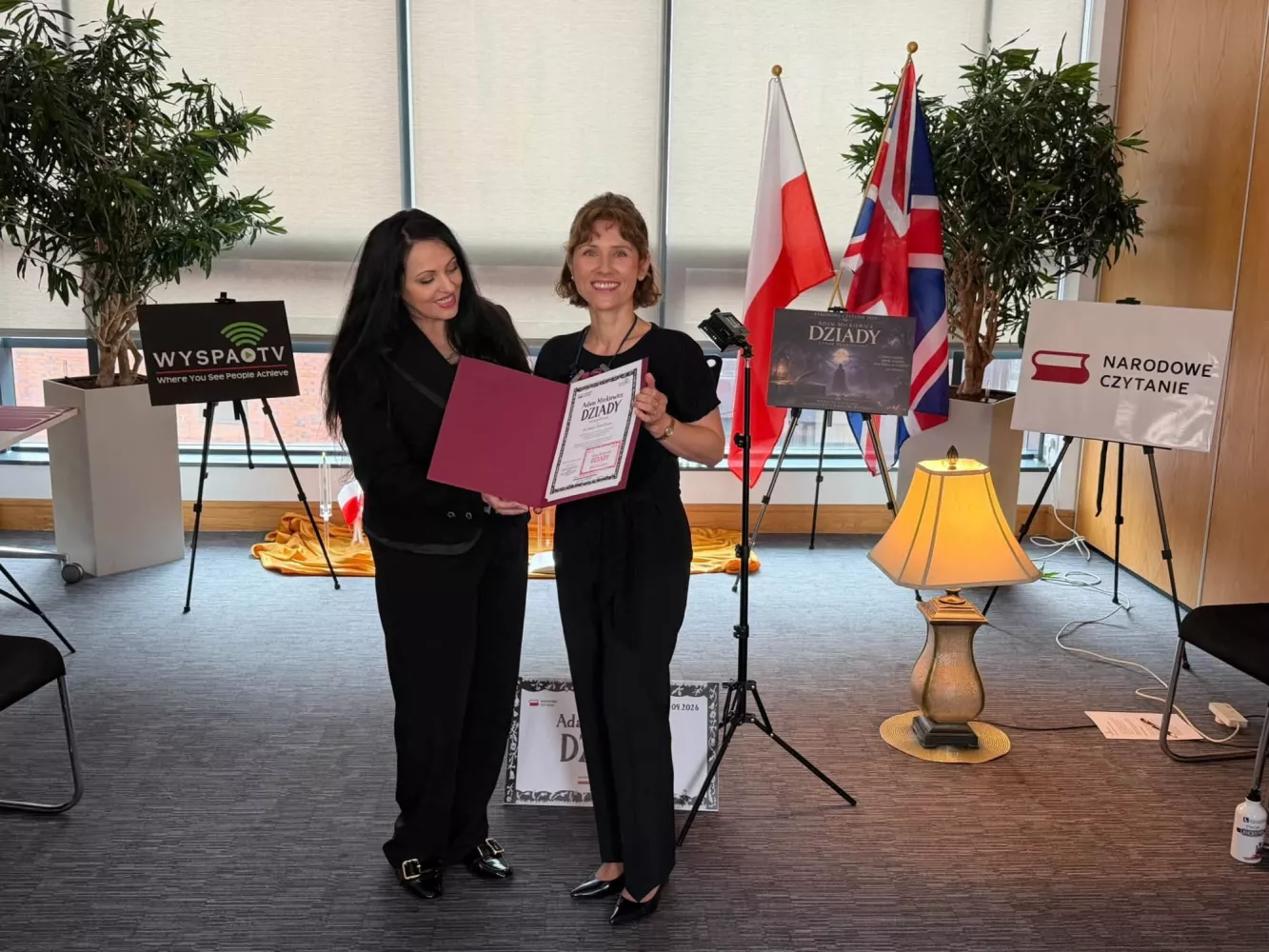
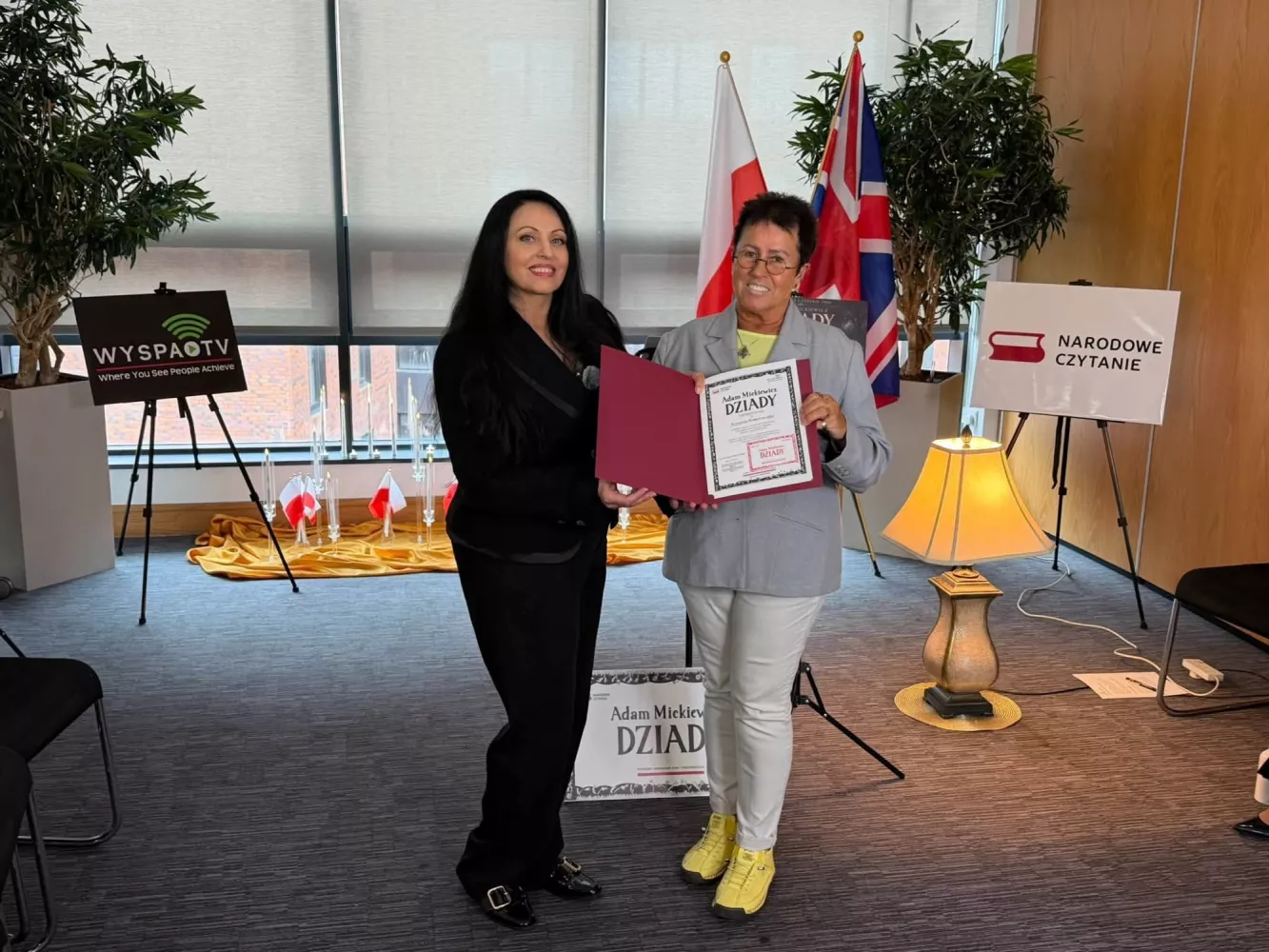
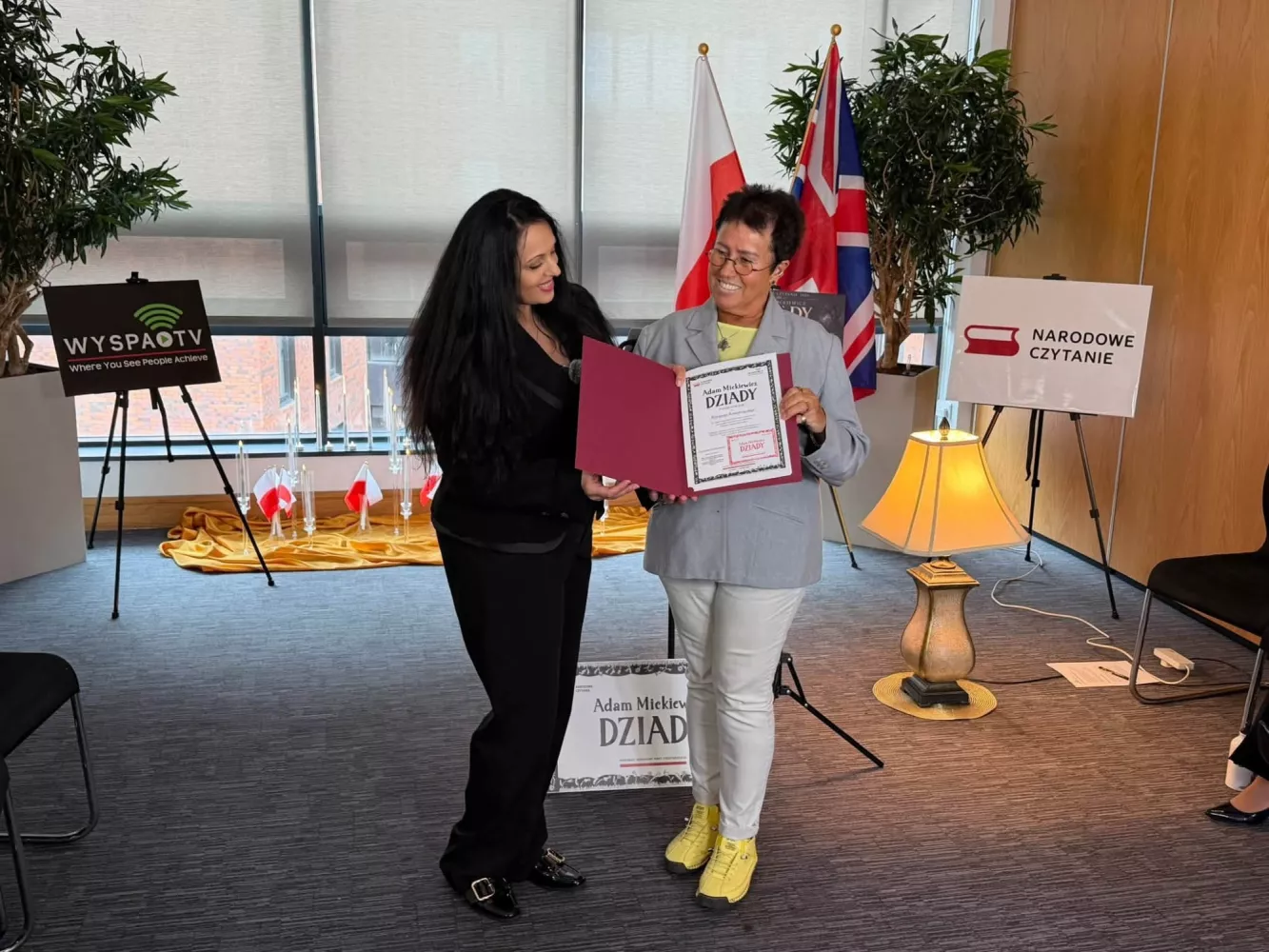
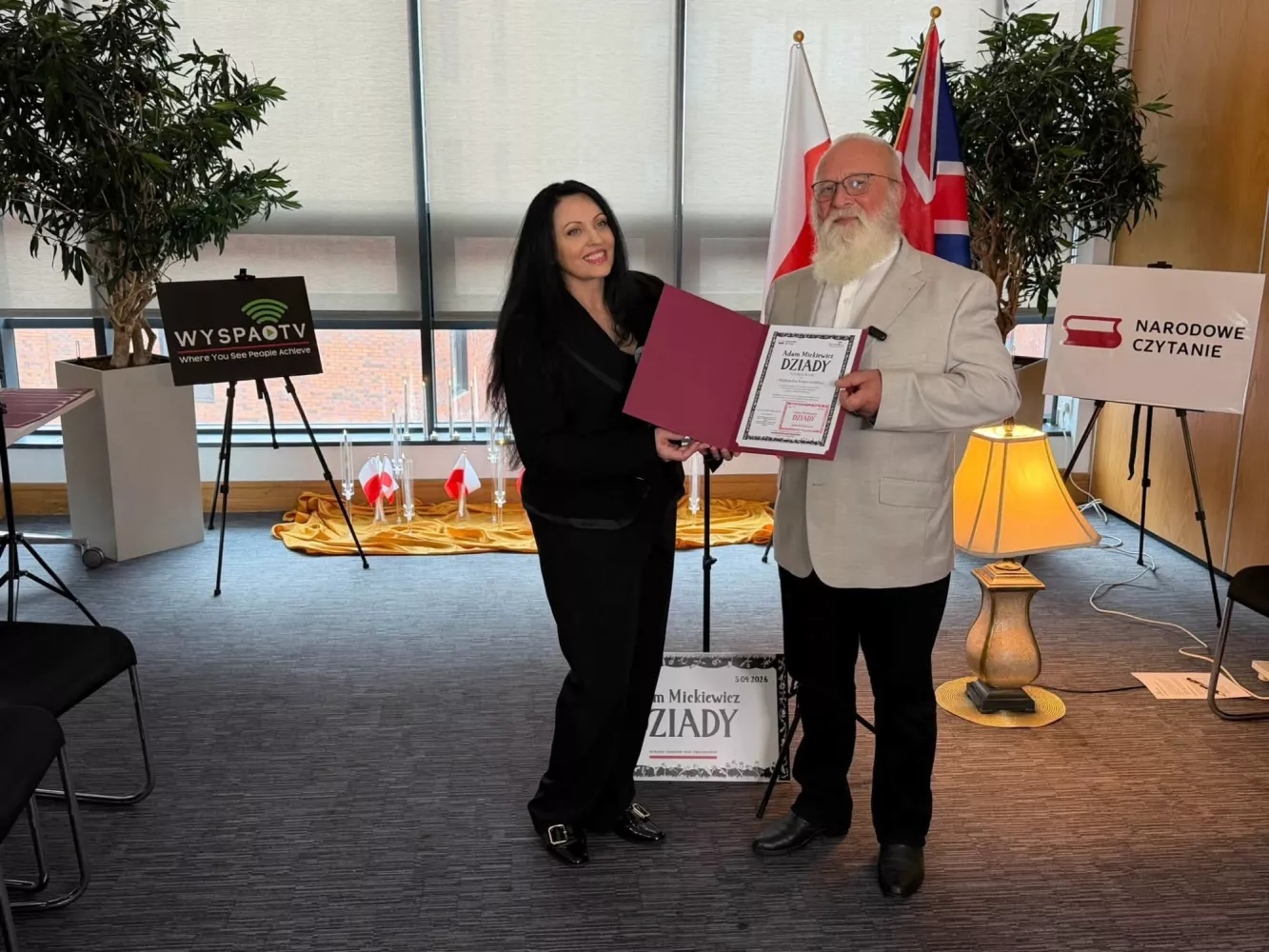
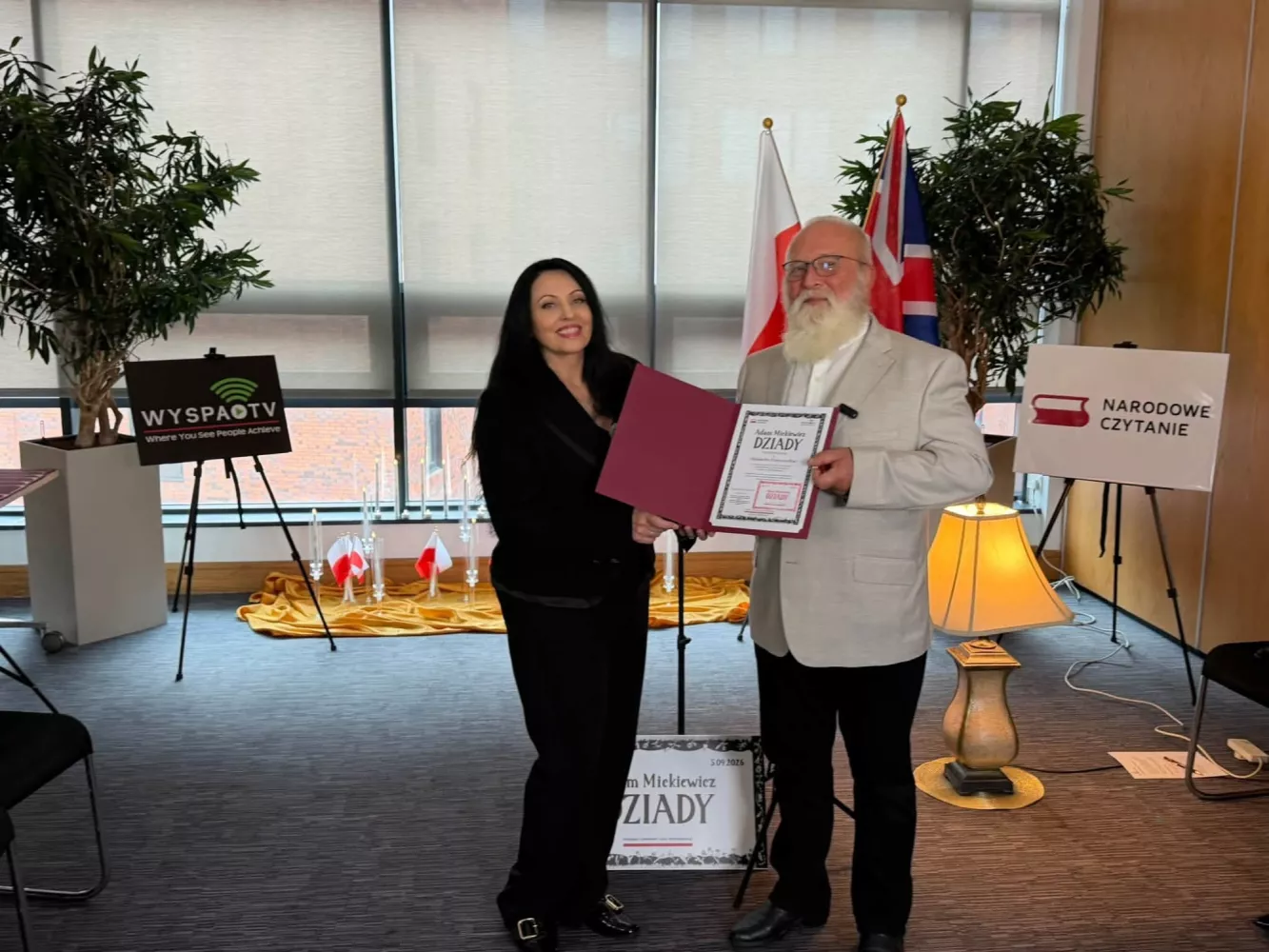
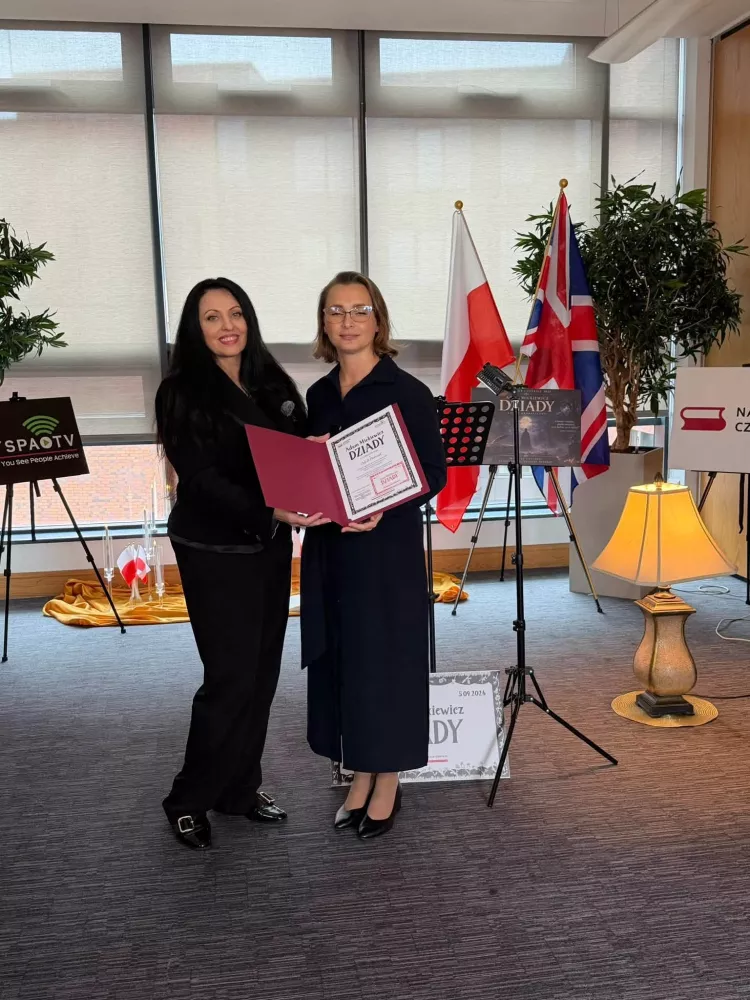
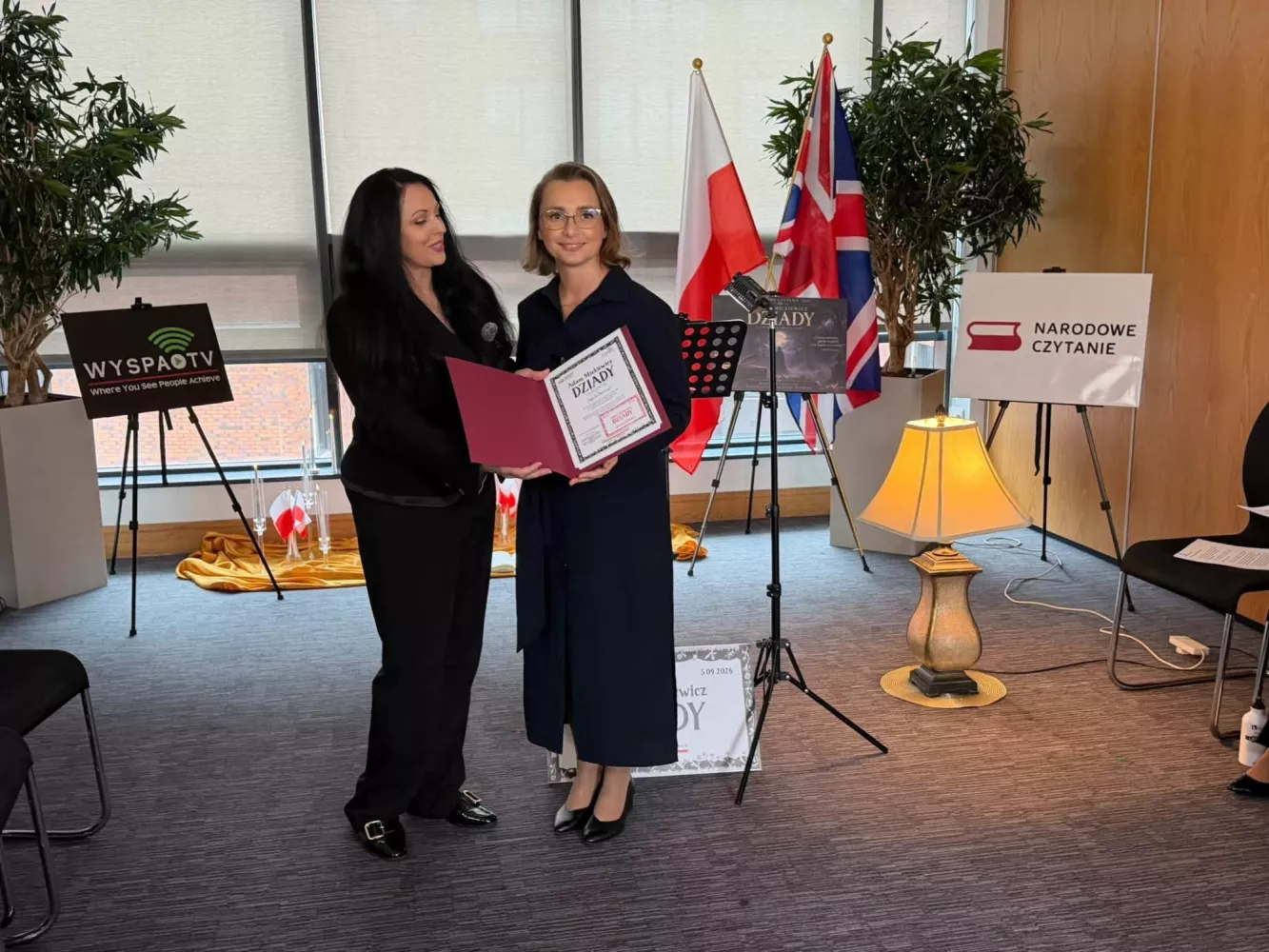
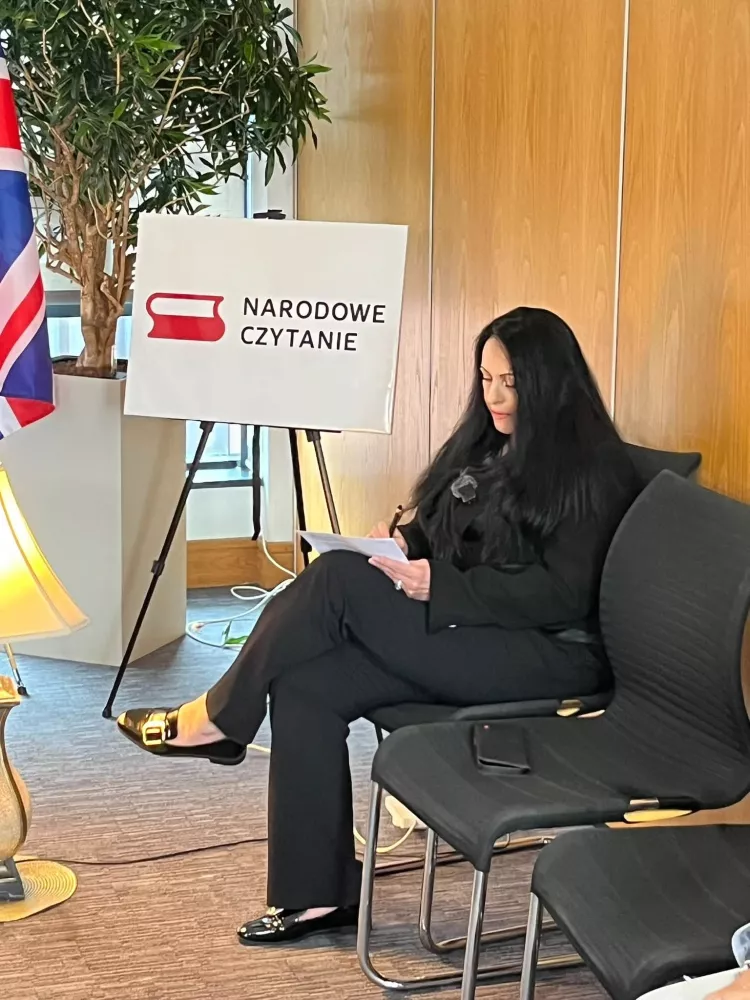
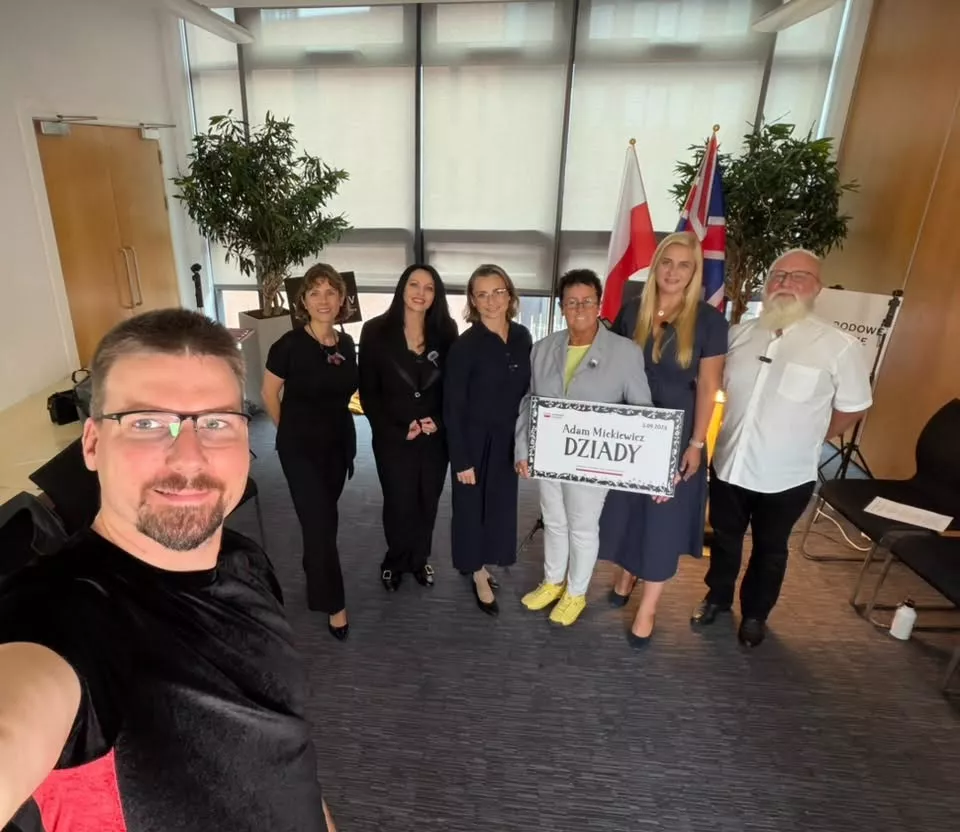
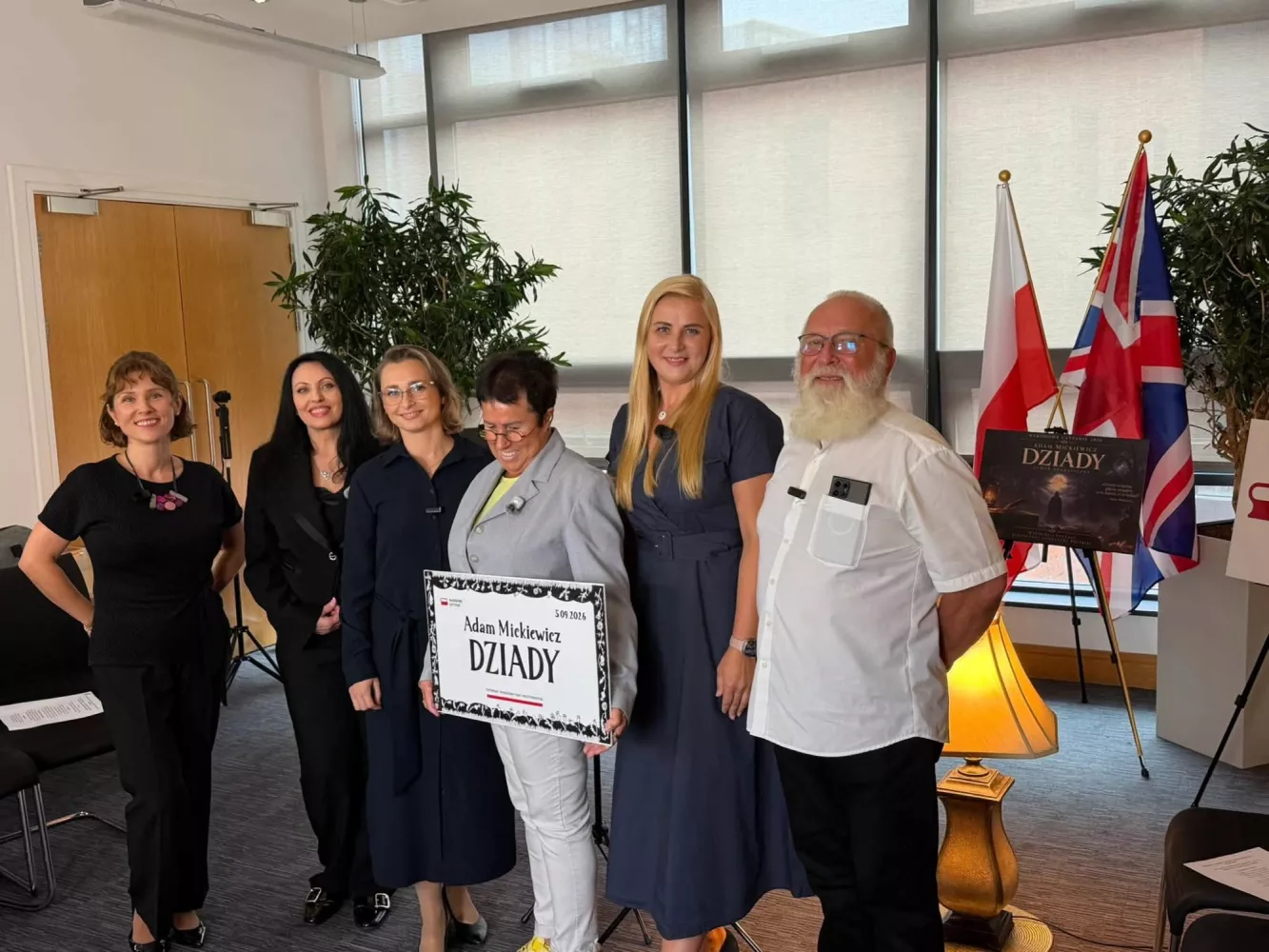
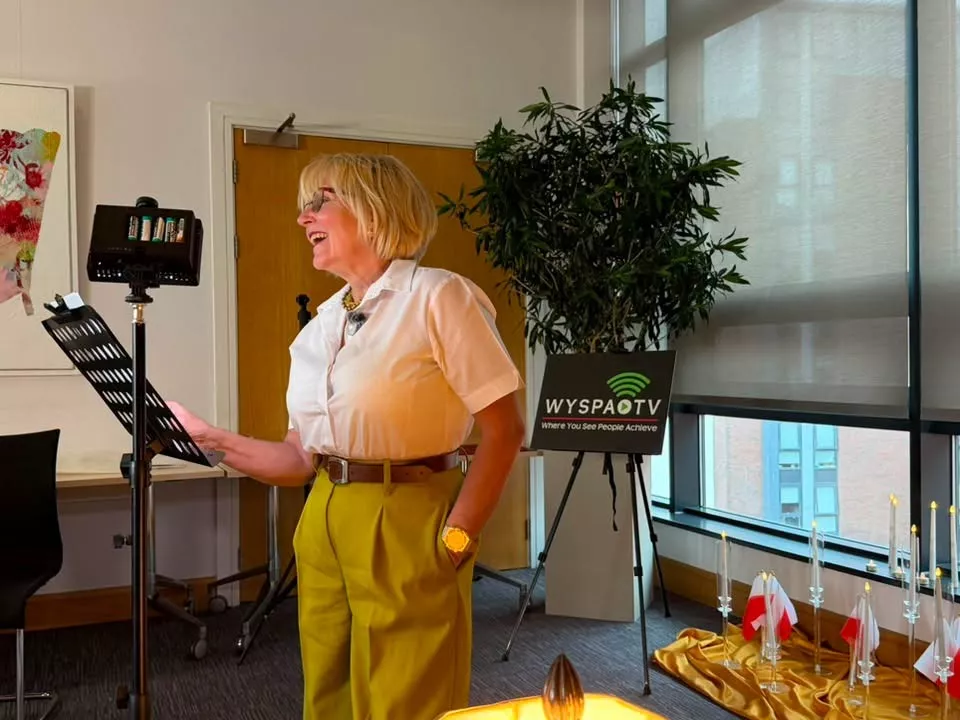
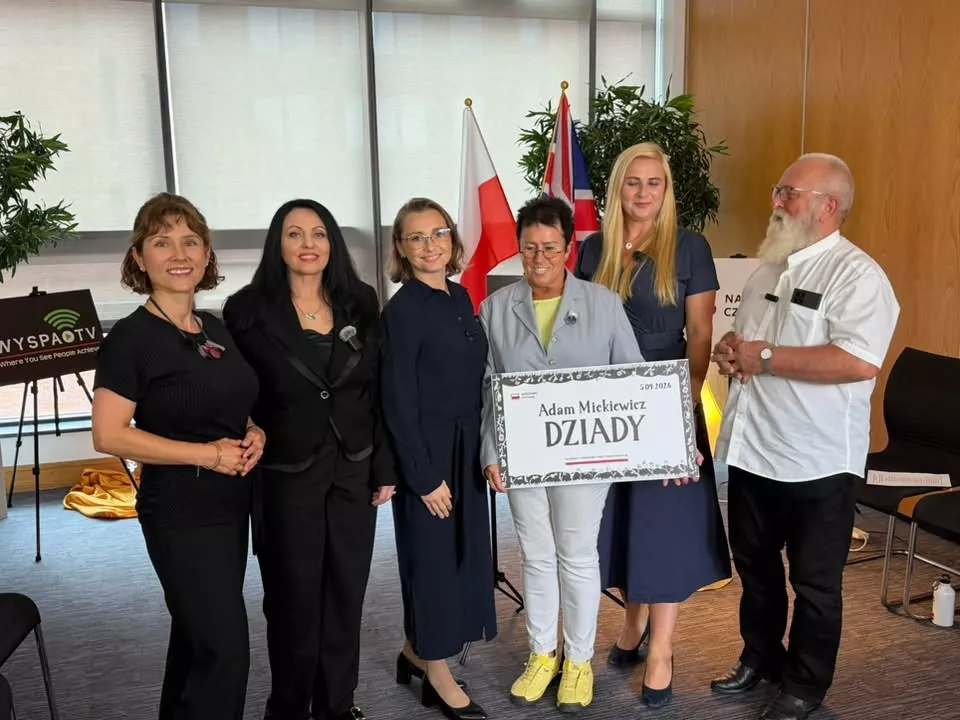
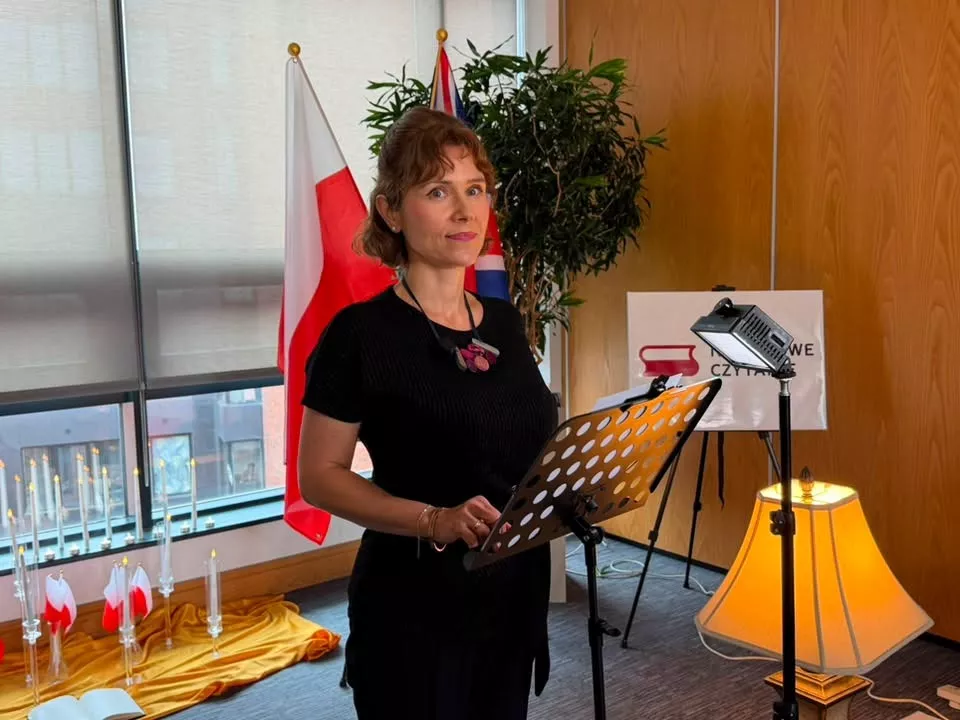
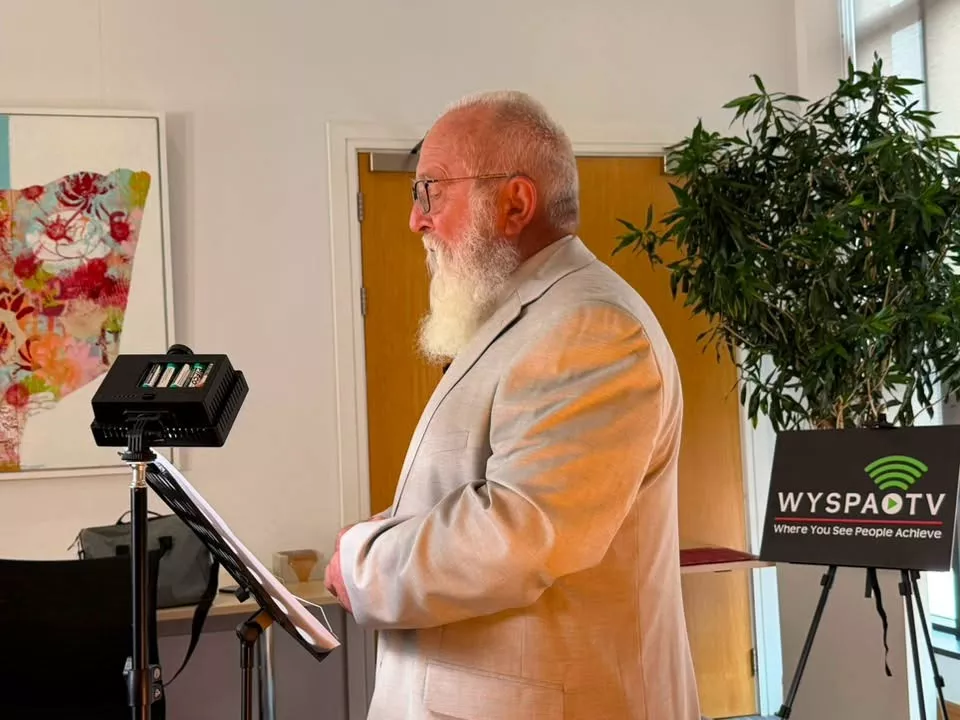
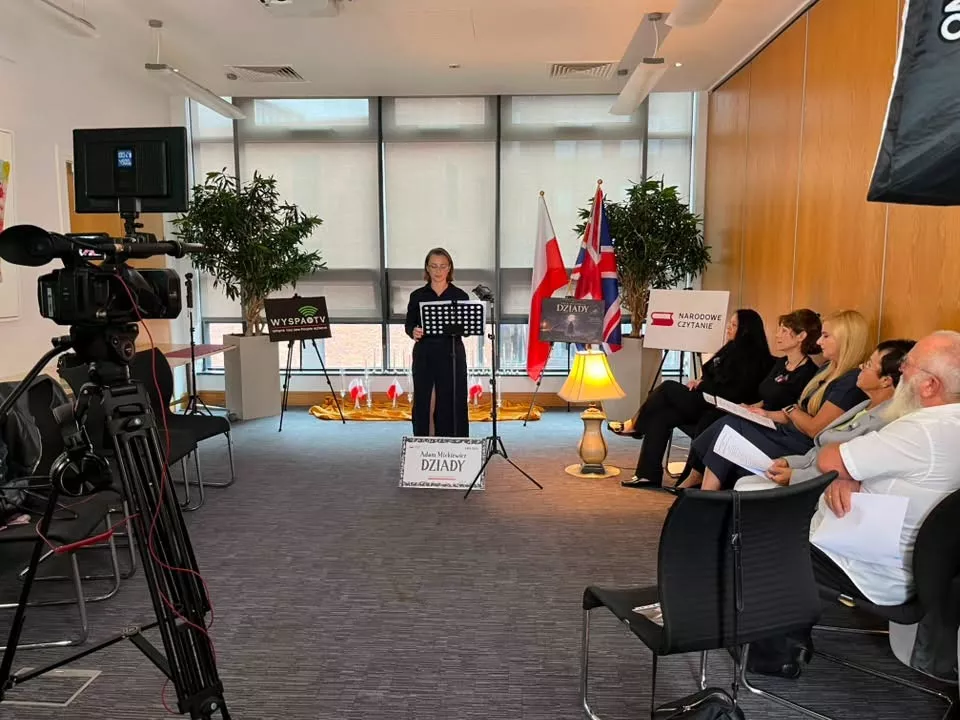
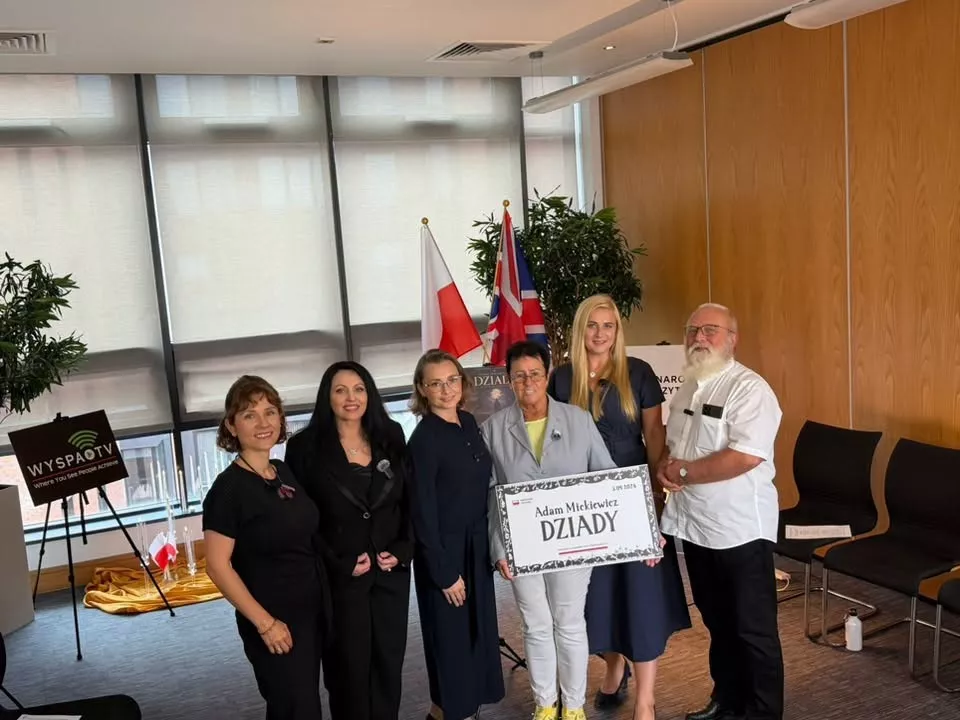
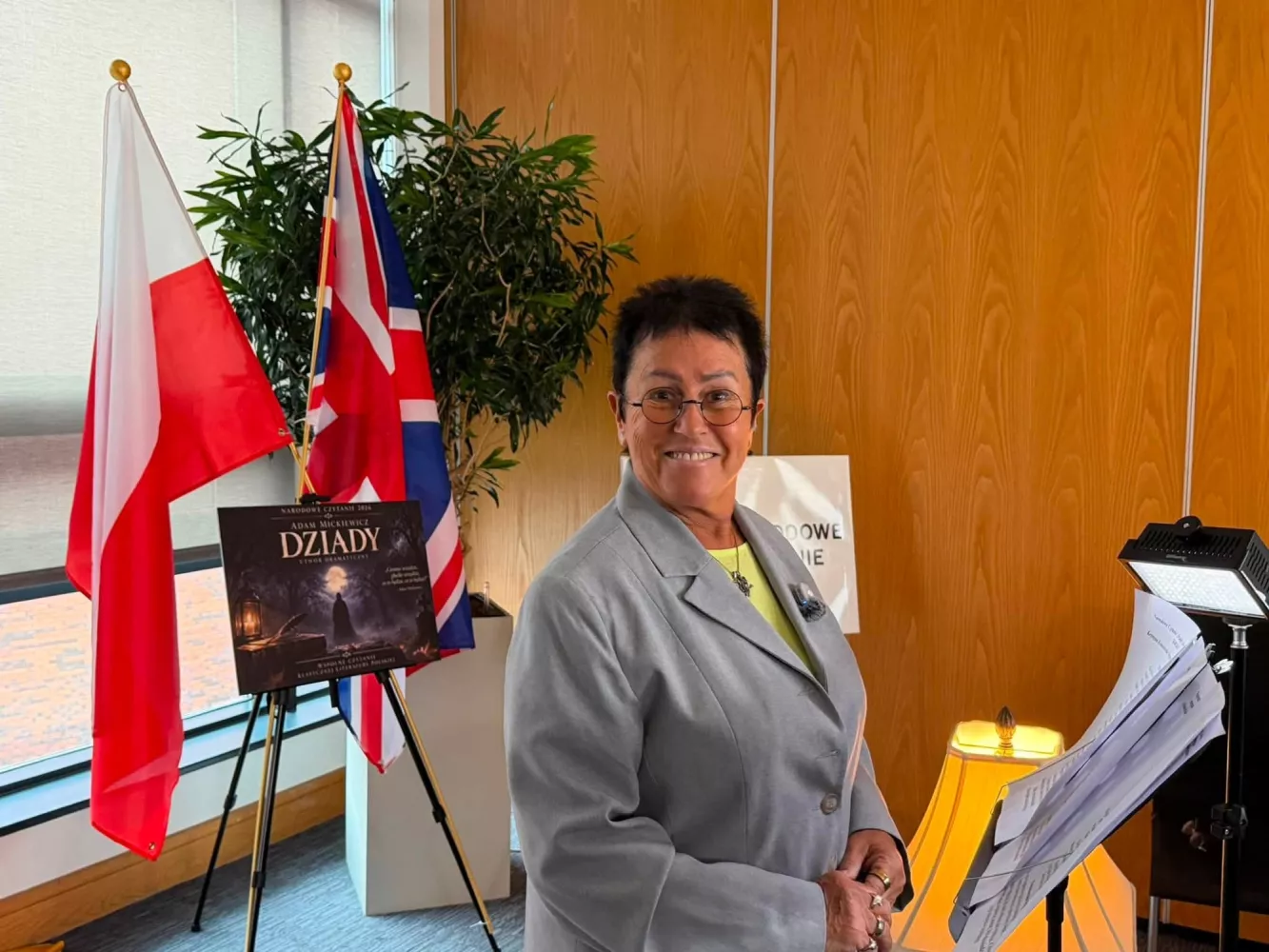
People actively involved in the Polish community and Polish diaspora were invited to take part in the recording. The selected passages were read by Maria Anna Furman, Aleksander Komorowski, Krystyna Komorowska, Olga B. Pietrzak, Wanda Maria Dobson, Tomasz Putynkowski, Aneta Długosz Nott-Bower and Edyta Ożarek.
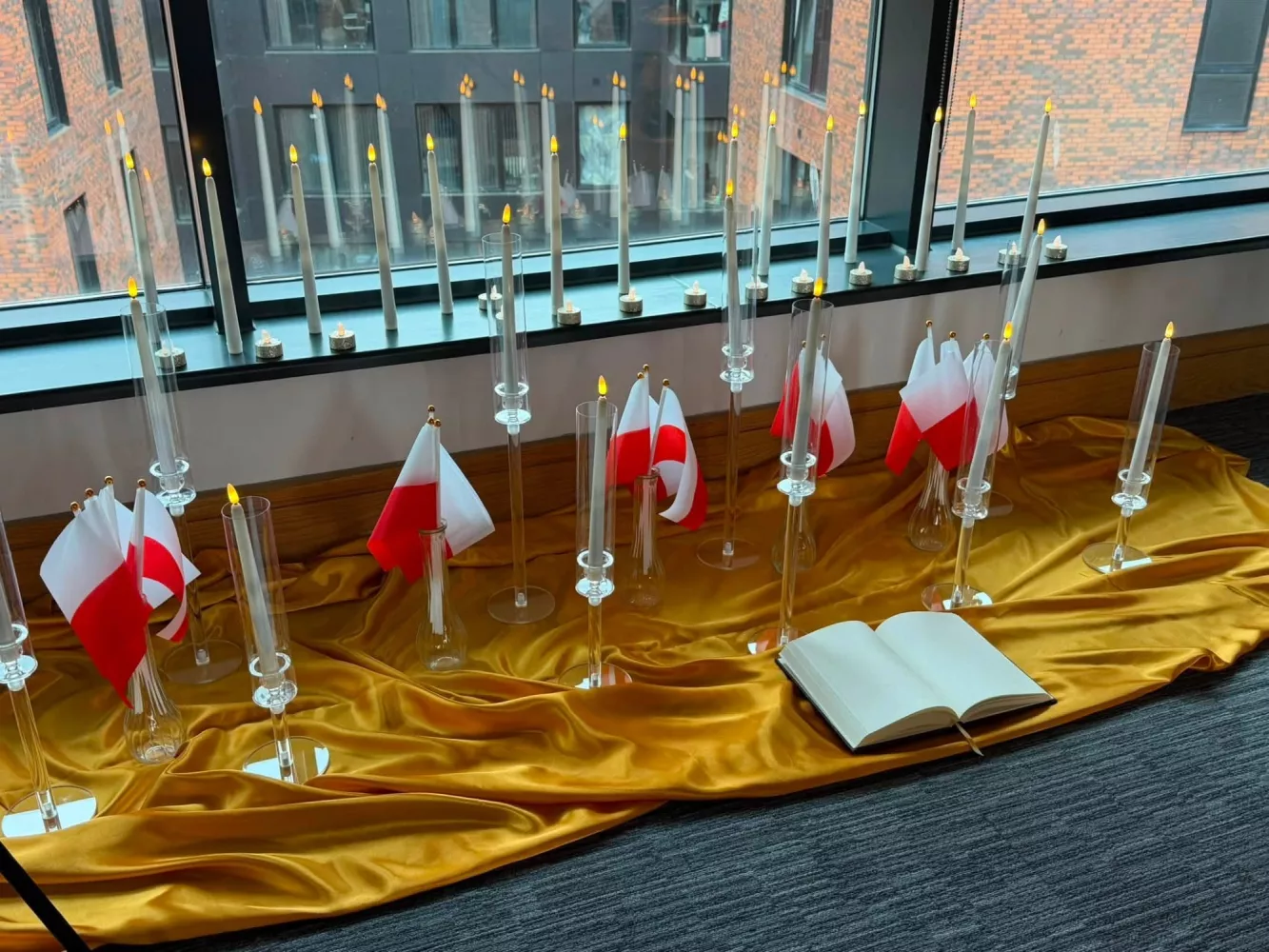
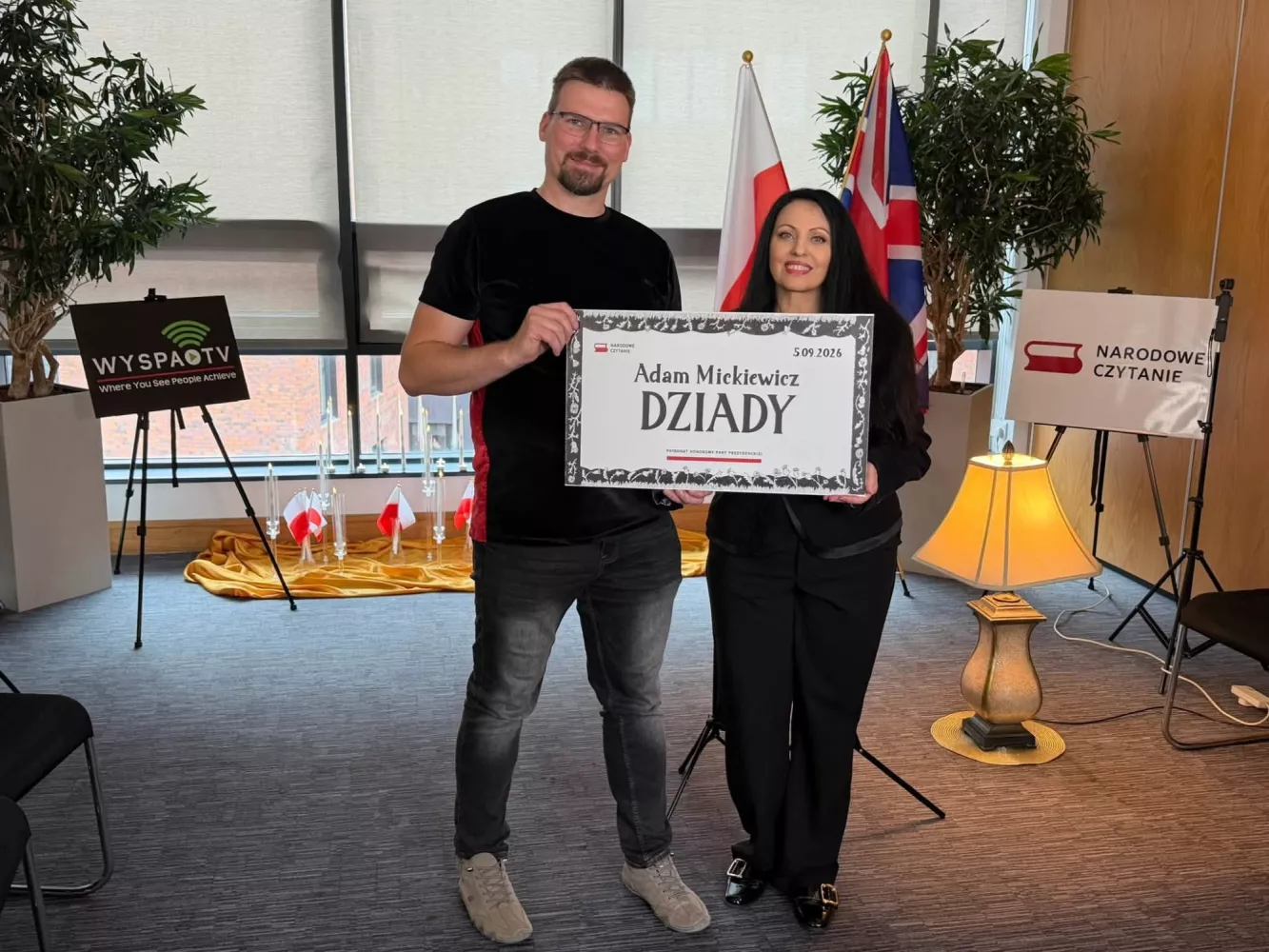
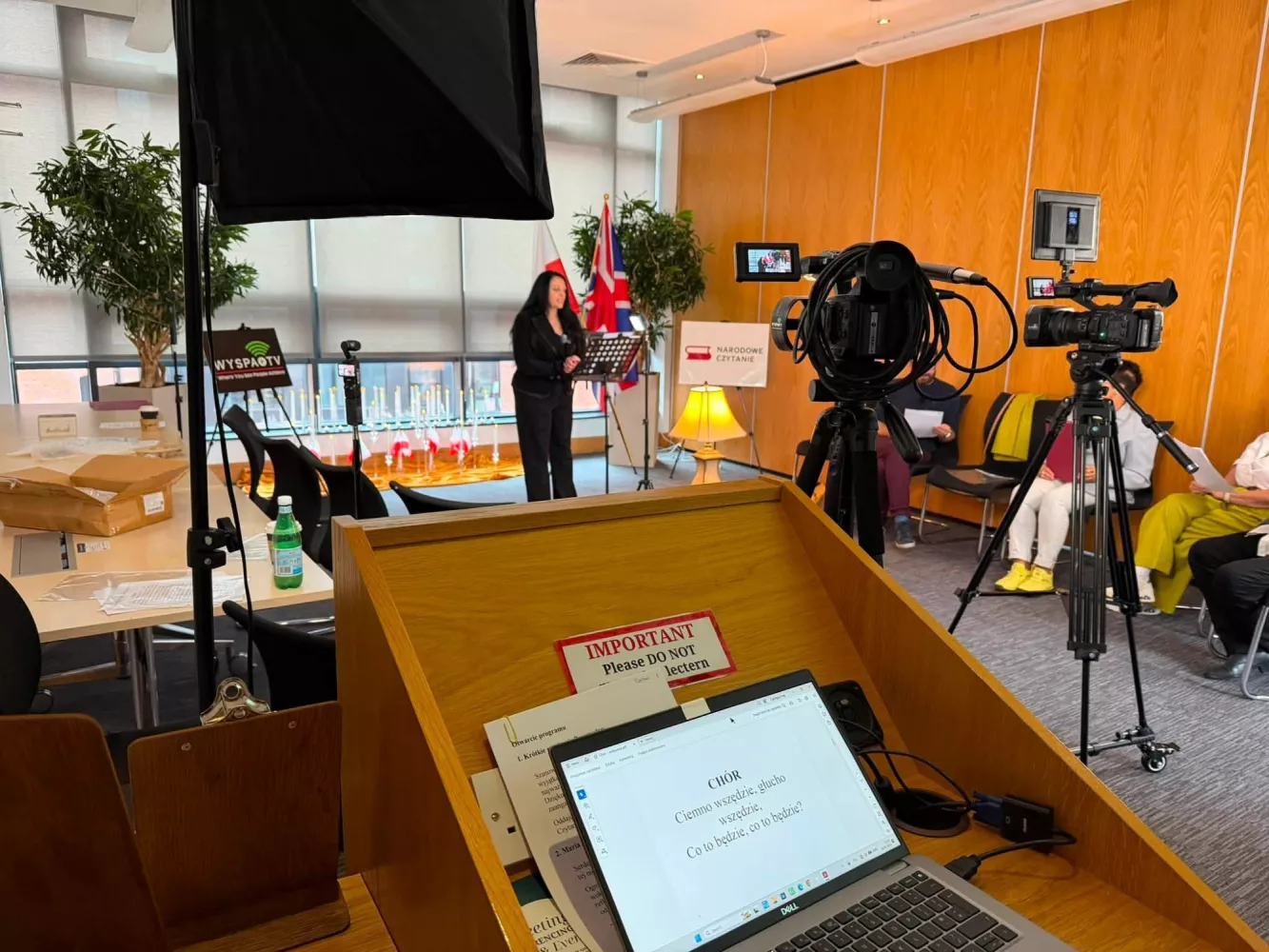
Maria Anna Furman and Przemysław Majdak produced the project. In addition to directing the programme and preparing the interpretative summaries, Maria was responsible for the set design concept. Przemysław oversaw the overall visual production, cinematography, audio equalisation and sound production. Together, they created a programme in which the literary text was complemented by carefully designed visual and audio elements.
Organising National Reading outside Poland carries particular significance. For Polish communities abroad, language is much more than a means of communication. It carries memory, history and culture, and remains one of the elements connecting successive generations with their country of origin.
Projects such as this help preserve the Polish language, bring important works of literature back into public awareness, strengthen intergenerational connections and encourage younger audiences to discover Polish culture. At the same time, they demonstrate that the classics do not have to remain confined to the pages of school reading lists. They can be presented through the contemporary language of media without losing their cultural and literary value.
It is also a way of building an active community. When members of the Polish diaspora come together to read Mickiewicz, literature ceases to be merely a subject studied at school. It becomes a living, shared cultural experience.
National Reading in Liverpool also demonstrates another important aspect of Wyspa TV’s work. Polish diaspora media can do more than report on current events. They can also document culture, educate audiences and create resources that remain accessible long after an event has ended.
That is why this year’s presentation of Dziady does not end with the final verse. Through the recording, Mickiewicz’s work can reach audiences wherever they live, while the accompanying explanations allow viewers not only to hear his words, but above all, to try to understand their meaning.
Author/Editor Maria Anna Furman
Gallery


We invite you to subscribe if you appreciate our work and want to support us. By clicking the "Subscribe" button and contributing just £2 a month, you help us grow the Wyspa TV channel and gain access to exclusive premium content. Your support means a lot—thank you!
Meet the owners:
Maria Anna Furman, CEO of Golden Rule Ltd | Founder & Co-Creator of Wyspa TV | Creator of: Stars Night Awards | Leaders of Tomorrow | WINS Magazine
Przemysław Majdak, Co-Founder and Director of Content Production at Wyspa TV | Web Developer
Subscribe now – remove ads and explore premium content

Key Facts
Wyspa TV produced National Reading 2026, dedicated to Adam Mickiewicz’s drama Dziady (Forefathers’ Eve). The recording took place on 28 August 2026 at 54 St James Street in Liverpool. Selected passages were presented by members of the Polish community and accompanied by original explanatory summaries written by Maria Anna Furman. Combining literature, education, music and visual storytelling, the production helps contemporary audiences understand the drama’s symbolism and central ideas.
Dlaczego współczesne objaśnianie „Dziadów” jest ważne?
„Dziady” Adama Mickiewicza są jednym z najważniejszych dzieł polskiego romantyzmu. Dramat łączy elementy ludowych obrzędów, świata duchowego, historii, moralności oraz refleksji nad odpowiedzialnością człowieka za własne czyny. Jego wielowarstwowa konstrukcja sprawia jednak, że bez znajomości kontekstu historycznego i kulturowego część symboli może być trudna do odczytania przez współczesnych odbiorców.
Edukacyjna formuła przygotowana przez Wyspa TV pomaga pokonać tę barierę. Autorskie podsumowania nie zastępują tekstu Mickiewicza i nie przedstawiają jednej obowiązującej interpretacji. Wyjaśniają kontekst poszczególnych scen, wskazują najważniejsze motywy oraz zachęcają widzów do samodzielnego poszukiwania odpowiedzi na pytania dotyczące winy, cierpienia, miłości, dobra i odpowiedzialności.
Takie podejście ma szczególne znaczenie dla młodych Polaków wychowujących się w Wielkiej Brytanii. Pozwala im poznawać polską literaturę w przystępnej formie, rozwijać znajomość języka oraz budować więź z historią i kulturą kraju pochodzenia. Nagranie sprawia również, że Narodowe Czytanie nie pozostaje jednorazowym wydarzeniem, lecz staje się długoterminowym materiałem edukacyjnym dostępnym niezależnie od miejsca zamieszkania odbiorcy.
FAQ – Frequently Asked Questions
What was National Reading 2026 in Liverpool?
It was an educational Wyspa TV production dedicated to Adam Mickiewicz’s Dziady. The programme combined literary readings with explanations, music and visual storytelling.
When did National Reading 2026 in Liverpool take place?
The programme was recorded in Liverpool on 28 August 2026.
Where was National Reading 2026 recorded?
The programme was recorded at 54 St James Street in Liverpool.
Which literary work was selected for National Reading 2026?
The 2026 production was dedicated to Adam Mickiewicz’s Dziady, also known in English as Forefathers’ Eve, one of the most important works of Polish Romantic literature.
How was Wyspa TV’s production different from a traditional public reading?
Each selected passage was followed by a summary explaining its context, symbolism and the central questions raised by Mickiewicz.
Who wrote the explanations accompanying the readings?
The original summaries were written by Maria Anna Furman, Editor-in-Chief of Wyspa TV, co-organiser and director of the programme.
Who read the selected passages from Dziady?
The readers were Maria Anna Furman, Aleksander Komorowski, Krystyna Komorowska, Olga B. Pietrzak, Wanda Maria Dobson, Tomasz Putynkowski, Aneta Długosz Nott-Bower and Edyta Ożarek.
Who produced National Reading 2026 in Liverpool?
The project was produced by Maria Anna Furman and Przemysław Majdak. Maria directed the programme and developed its summaries and set design concept, while Przemysław oversaw the cinematography and audio post-production.
Why is National Reading important to Polish communities abroad?
It helps preserve the Polish language, promotes important literary works and strengthens the connection between younger generations and their Polish cultural heritage.
Can the recording be used as an educational resource?
Yes. Its combination of literary readings and accessible explanations makes it useful for students, teachers, Polish community schools and anyone interested in Mickiewicz’s work.
- Details